
Lieferung heute & morgen

Qualitätsgarantie

Willkommens-Angebote freischalten: KOSTENLOSE Lieferung | Bis zu 80 % RABATT | Kostenlose 30-Tage-JoyPlus-Testphase
App herunterladen
Food waste is a pressing issue in many households. Opened packages quickly lose their freshness, and in the freezer, the dreaded freezer burn is a constant threat. A vacuum sealer, also known as a heat sealer, offers a practical solution. By removing air, the shelf life of food is significantly extended, flavours are preserved, and storage becomes more space-efficient.
This article serves as a guide. It explains the essential functions of vacuum sealers and presents selected products to provide you with an informed basis for your decision-making in the kitchen.
Selecting the right appliance depends on your individual needs. Whether you want to portion bulk purchases, preserve your garden harvest, or delve into sous vide cooking – the following criteria will help guide your choice.
The performance of a vacuum sealer is often specified in litres per minute (suction power) and the negative pressure generated in bar.
The seal is the core of the sealing process. A messy or thin seal can leak, allowing air to enter the bag and defeating the entire purpose of vacuum sealing. Look for devices that create a wide and durable seal. Some models even offer a double seal for extra security, which is especially relevant when storing liquids or for sous vide cooking.
Modern vacuum sealers offer more than just sealing food. Useful additional features can expand their range of applications:
Based on the criteria mentioned, we have compiled a selection of products that cover different kitchen requirements.
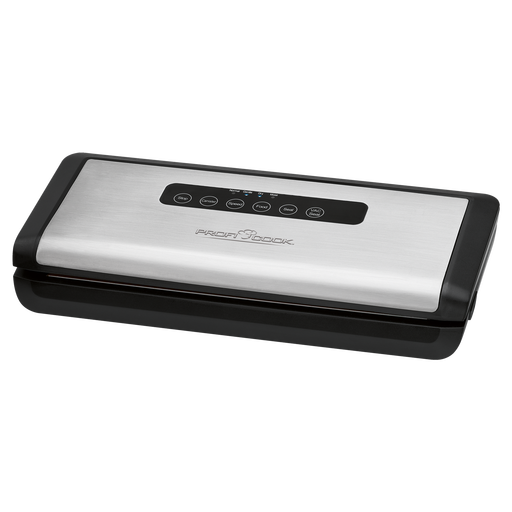
Why it stands out: The ProfiCook PC-VK 1146 is a fully automatic vacuum sealer with a stainless steel housing. It is operated via an electronic sensor-touch control panel. As a practical vacuum sealer set, the device comes with 18 professional-grade food storage bags in two different sizes.
Advantages:
Who it's for: This model is suitable for households that regularly process larger quantities of food, for culinary enthusiasts who use sous vide techniques, and for anyone who values long-lasting and secure preservation.
Not every task requires a vacuum. For everyday storage or special preparation methods, other tools can also be useful.

Why it stands out: This aluminium foil is distinguished by its thickness of 15μm, which makes it more tear-resistant than many standard foils. It is certified as food-grade and intended for direct contact with food.
Advantages:
Who it's for: Ideal for grilling enthusiasts, bakers, and air fryer users who need a sturdy and heat-resistant cover or lining for their food.
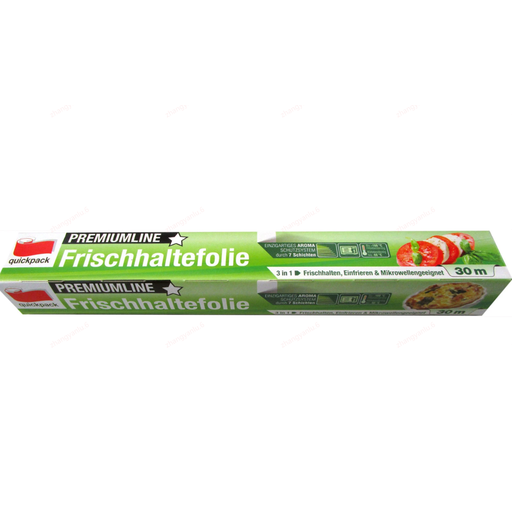
Why it stands out: This cling film features a 7-layer system that, according to the manufacturer, offers special aroma protection. It is self-adhesive and designed for a wide temperature range from -60°C to 160°C.
Advantages:
Who it's for: A great addition to any household for short- to medium-term food storage, covering containers, and for use in the microwave.
Vacuum sealing is an excellent method of preservation. However, for specific culinary tasks, such as decorating cakes or protecting delicate pastries, special foils are often required. If your kitchen projects also include baking, our selection of cake collars might be of interest to you.
The term heat sealer generally describes a device that thermally welds foils together. A vacuum sealer is a specific type of heat sealer that also has a pump to remove air from the bag before sealing. Therefore, every vacuum sealer is also a heat sealer, but not the other way around.
Vacuum sealing pure liquids like soups or sauces in bags is a challenge, as the liquid can be sucked into the vacuum pump and damage the device. A common method is to first partially freeze the liquid in the bag and then vacuum seal it in its solid state. Alternatively, some models offer a function for vacuum canisters, which are better suited for liquids.
Some foods should not be vacuum-sealed raw because they release gases that can cause the bag to inflate. These include certain vegetables like broccoli, cauliflower, Brussels sprouts, and other cruciferous vegetables. It is recommended to blanch them briefly before vacuum sealing. Fresh mushrooms and very soft cheeses (e.g., blue cheese) are also only suitable to a limited extent, as their structure can be compromised by the vacuum.