
Lieferung heute & morgen

Qualitätsgarantie

Willkommens-Angebote freischalten: KOSTENLOSE Lieferung | Bis zu 80 % RABATT | Kostenlose 30-Tage-JoyPlus-Testphase
App herunterladen
A vacuum sealer promises to extend food shelf life, preserve flavours, and reduce food waste. In practice, however, not all devices deliver on these promises. Many buyers are frustrated by leaky seals, weak suction power, or clumsy operation. Before you make a decision, it's crucial to understand the typical weak points that can quickly render a supposed bargain useless.
This guide, created by the Joybuy Product Recommendation Officer, will help you identify the critical features and find a device that works reliably and suits your needs.
Many devices advertise impressive features, but the devil is often in the details. Pay close attention to these three points to avoid a bad purchase:
To avoid the problems mentioned above, you should check three core technical features before buying. These are the primary determinants of your vacuum sealer's performance and longevity.
These two values indicate the device's power.
A good automatic vacuum sealer should do more than just "vacuum and seal." Look for the following functions to ensure flexible operation:
The best vacuum performance is useless if the seal fails. An extra-wide or double seal offers significantly higher security against leaks. Also, check the maximum possible bag width (usually 28 cm or 30 cm) to ensure the device is also suitable for larger portions or for preparing food for a sous vide machine.
Based on the criteria above, we have identified several models that offer a suitable solution for different user groups.
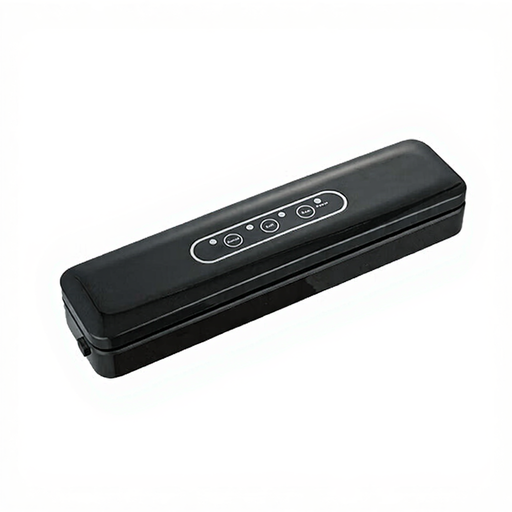
Why It's a Match: Ideal for households that want to try vacuum sealing without investing in a complex device. It focuses on the core function and is easy to store thanks to its compact design.
The one-touch operation prevents user error. The device is designed for standard applications with dry foods, thus avoiding the complexity (and potential failure points) of moist modes in this price range.
Compact design for space-saving storage. Simple, automated operation that makes it easy to get started.
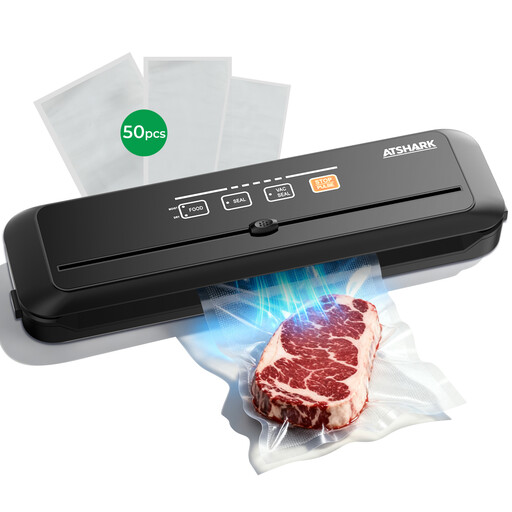
Why It's a Match: For users looking for a versatile and ready-to-use solution. The extensive accessories and intuitive modes make it ideal for processing a wide variety of foods without a steep learning curve.
Sidesteps the hidden cost pitfall with a large starter set of 50 bags. The 5-in-1 functionality, including Dry/Moist mode and Pulse control, provides the necessary control to achieve reliable results even with moist or delicate foods.
Touchscreen control panel for easy operation. Comprehensive accessory package (50 bags, external hose) for immediate use. Vacuum pressure of -60 kPa.
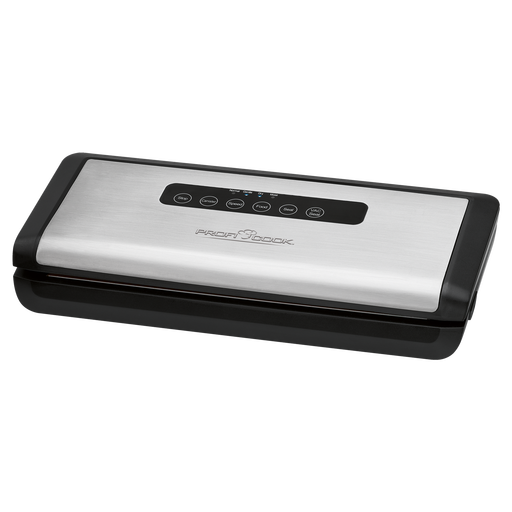
Why It's a Match: For anyone who regularly processes large quantities, marinates, or cooks sous vide. The high performance and precise control enable consistent, professional results even with demanding tasks.
The high suction speed of 12 L/min and the strong vacuum pressure of approx. -0.8 bar prevent insufficient vacuuming. The 4-level electronic vacuum regulation and the extra-wide seal ensure a secure seal for dry, moist, and delicate foods.
Stainless steel housing for durability. Precise, 4-level vacuum regulation for full control. High suction power, ideal for sous vide and bulk shopping.
We have compiled a complete, up-to-date list of products that fully meet these strict selection criteria and UK/EU safety regulations.
Most vacuum sealers, especially those featured here, are compatible with standard, textured vacuum sealer bags and rolls. These bags have an embossed or ribbed inner structure that allows the device to completely extract the air. Smooth bags generally do not work with external (clamp-style) vacuum sealers. Pay attention to the maximum width your device can handle.
Always unplug the device before cleaning. The housing can be wiped with a slightly damp cloth. The vacuum chamber and sealing gaskets are the most important areas. Carefully remove any food residue. Many models, like the ProfiCook PC-VK 1146, have a removable drip tray for liquids, which makes cleaning much easier. Never immerse the device in water.
By removing oxygen, the oxidation process that causes food to spoil is significantly slowed down. According to manufacturer specifications, such as those from ProfiCook, vacuum-sealed food can stay fresh up to 8 times longer than with conventional storage methods. In the freezer, vacuum sealing also provides effective protection against freezer burn, preserving taste and texture for months. The exact extension of shelf life depends on the specific food item.