
Lieferung heute & morgen

Qualitätsgarantie

Willkommens-Angebote freischalten: KOSTENLOSE Lieferung | Bis zu 80 % RABATT | Kostenlose 30-Tage-JoyPlus-Testphase
App herunterladen
A vacuum sealer is a practical tool for extending the shelf life of food, preserving flavours, and reducing food waste. However, the market is flooded with devices whose real-world performance often falls short of their marketing claims. Before you make a decision, it's crucial to know the typical weaknesses that can quickly turn a supposed kitchen helper into an unused gadget. This guide will show you what to look for to find the right vacuum sealer for your needs.
Many devices look similar at first glance, but the differences are in the details. These three points often lead to disappointment after the purchase:
To avoid the problems mentioned above, you should check three technical specifications before buying. These are crucial in determining the functionality and longevity of your device.
The vacuum pressure, specified in bar or kilopascals (kPa), describes the force with which air is removed from the bag. A higher negative value means a stronger vacuum. Devices with a pressure of -0.6 to -0.8 bar (equivalent to -60 to -80 kPa) provide a solid foundation for effectively preserving food. The suction power, measured in litres per minute (L/min), indicates how quickly the air is extracted. Higher suction power is particularly advantageous for larger bags.
A good vacuum sealer is more than just a heat sealer; it must create a durable, airtight seal. Look for a sufficiently wide seal (at least 2.5 mm). Some models even offer a double seal for extra security. This is especially important if you are preparing food for sous vide cooking or for long-term freezing to prevent freezer burn.
Not all foods are the same. While dry items like nuts or coffee are straightforward, marinated meats or juicy fruits require special handling. A mode for moist foods slightly reduces the suction power and adjusts the sealing process to prevent liquid from being drawn into the vacuum pump and damaging the device. A pulse function also allows for manual control of the vacuum, which is useful for delicate foods like berries or pastries.
Based on the criteria above, we have identified a few models that are well-suited for different needs and households.
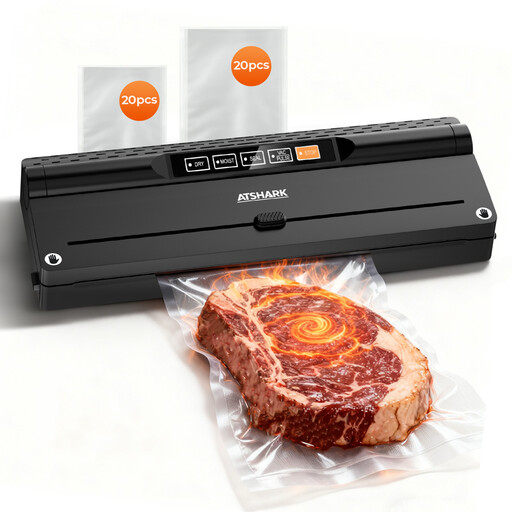
Why This Fits Their Persona: Ideal for beginners seeking a functional solution without a high initial investment. The device covers all basic requirements and the included accessories allow you to get started right away.
With a vacuum pressure of -60 kPa, it delivers solid performance, avoiding the pitfall of weak suction. Since it is compatible with standard commercial bags, it bypasses the trap of expensive proprietary bags.
The 5-in-1 design, featuring modes for dry/moist foods and an integrated cutter, offers flexibility. A starter kit with 40 bags is included in the box.
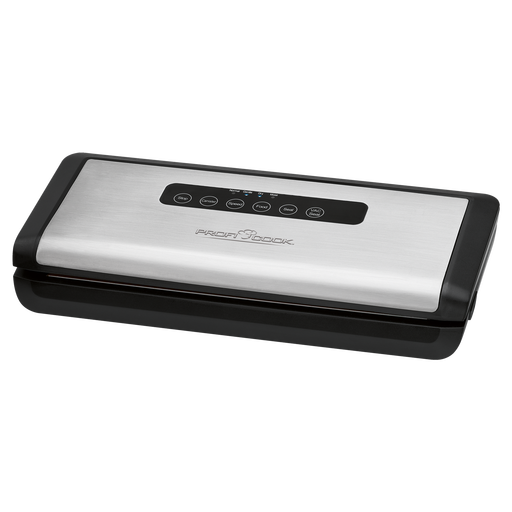
Why This Fits Their Persona: This device is aimed at ambitious home cooks who value precision and durability. It is explicitly designed for sous vide cooking and provides the necessary control and reliability.
The "extra-wide, heavy-duty seal" and a high vacuum pressure of approx. -0.8 bar counteract the problem of leaky seals. The electronic vacuum regulation prevents delicate foods from being crushed.
The 4-stage electronic vacuum regulation allows for precise adjustments for delicate foods. The stainless steel housing and high suction power of 12 L/min underscore its performance focus.
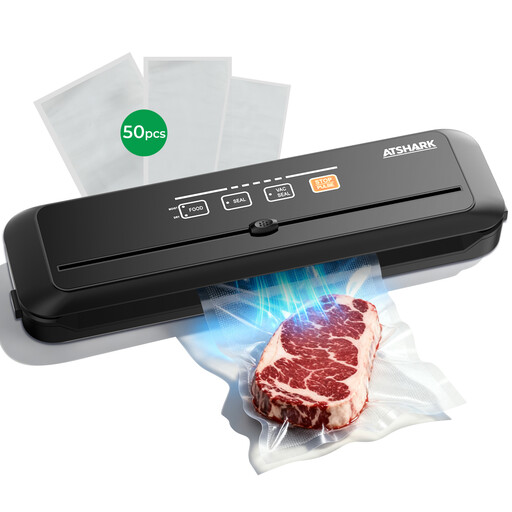
Why This Fits Their Persona: For users who frequently vacuum seal food and value modern, intuitive operation. The touchscreen display simplifies the process and provides excellent visual feedback.
The real-time display of the vacuum progress on the touchscreen helps to precisely control the sealing process and avoid incomplete seals. The solid performance of -60 kPa ensures a reliable vacuum.
The intuitive touchscreen control panel makes operation simple and modern. The device comes with an extensive accessory kit, including 50 bags in various sizes.
We have compiled a complete, up-to-date list of products that fully meet these strict selection criteria and relevant safety standards.
Proper cleaning is crucial for hygiene and the longevity of the device. Always unplug the unit before cleaning. The exterior can be wiped down with a damp cloth. Many devices feature a removable drip tray that collects liquid residue. This tray should be emptied and cleaned with warm, soapy water after each use with moist foods. Never submerge the main unit in water.
No, choosing the right bag is important. Most consumer-grade vacuum sealers (known as external or "out-of-chamber" sealers) require textured or embossed bags. These bags have a rough internal structure that creates channels for the air to be completely removed. Smooth bags generally only work with more expensive chamber vacuum sealers, which are common in professional kitchens. When buying replacement bags, look for the terms "textured" or "embossed".
A heat sealer simply seals a plastic bag with a heat strip. It does not remove any air from the bag. A vacuum sealer, on the other hand, performs two steps: first, it sucks the air out of the bag (creating a vacuum), and then it seals it airtight. This process of air removal is what significantly extends the shelf life of food, as it slows down oxidation and the growth of microorganisms.