
Lieferung heute & morgen

Qualitätsgarantie

Willkommens-Angebote freischalten: KOSTENLOSE Lieferung | Bis zu 80 % RABATT | Kostenlose 30-Tage-JoyPlus-Testphase
App herunterladen
A football board game promises to bring the excitement of the pitch to your living room table. But the selection is vast, and not every game lives up to the hype on the box. Many buyers invest in a game that ends up gathering dust in a cupboard after just a few rounds, either because it's too complicated or quickly loses its appeal. This guide will help you navigate the common pitfalls and find a game that's a perfect match for you and your family.
As a Joybuy Product Recommendation Officer, I analyse market data to provide you with objective and practical advice. Here’s what you need to know to make the right choice.
Before we dive into the key features, let's look at three common problems that often lead to disappointment:
To avoid buyer's remorse, you should evaluate three central aspects. These will help you separate the wheat from the chaff and identify a suitable football strategy game.
The way the game is played is critical. A tactical football game should offer a good balance between luck and strategy.
Not every game is for everyone. The manufacturer's age recommendation is an important first clue.
Most football board games are designed as a 2-player football game, which effectively captures the head-to-head competition of the sport.
Here are some recommendations tailored to different needs and preferences.

Why This Fits Their Persona: Ideal for players who love the strategic depth of football. This game simulates a real match through card-based actions, where every decision to attack or defend counts. It's a true duel for two strategists.
It sidesteps the "low replayability" trap with strategic hand cards that make every match unpredictable. The optional app support simplifies onboarding and avoids the frustration of an "overly complex rulebook."
The game mechanic combines attack and defence actions, ensuring consistently high tension. The collaboration with the Kicker magazine directly appeals to football fans.
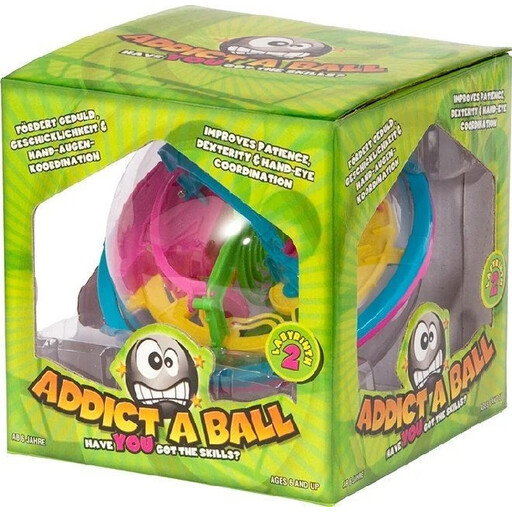
Why This Fits Their Persona: For players seeking a challenge of concentration and fine motor skills. While not a football game, it trains hand-eye coordination and patience—skills that are also useful on the pitch. Perfect for a quiet, solo activity.
The robust plastic construction counters the "poor component quality" trap. As a self-contained game, there are no complicated rules or parts to lose.
With 100 progressive stages, it offers a long-lasting challenge with a clear learning curve. Its compact design makes it a great travel companion.
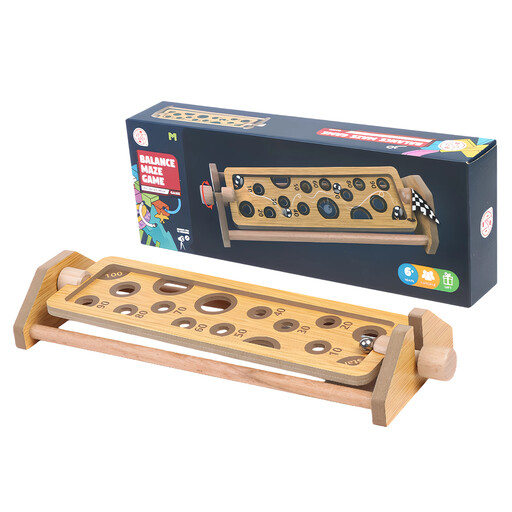
Why This Fits Their Persona: An excellent choice for anyone who appreciates traditional wooden skill games. It promotes balance and concentration in a classic way and is suitable for solo play or competing with the family.
The high-quality wooden construction is durable and avoids the "subpar materials" trap. Replayability comes from improving your own skills and competing for high scores, not from a fixed storyline.
The game concept is easy to understand but hard to master. The score-based competition makes it a versatile option for different age groups and occasions.
We've curated a full, up-to-date list of products that fully meet these strict selection criteria and all relevant safety standards.
A good tactical football game is characterized by a balanced mix of strategy and luck. It should allow players to make meaningful decisions that directly influence the course of the game, rather than just relying on dice rolls. Mechanisms like card management, player positioning, and the use of special abilities contribute to strategic depth and high replayability.
This depends heavily on the specific game. Simple games with straightforward rules can be suitable for children as young as 6. A board game for kids ages 8 and up can already introduce more demanding strategic elements. For complex strategy games with in-depth rules, the age recommendation is often 10 or 12 years. Always check the manufacturer's information on the packaging.
Game length varies, but many games are designed for a match to last between 30 and 60 minutes. This makes them ideal for a quick round after work or as part of a game night without taking up the entire evening. Information on the estimated playing time can usually be found on the game box.