Households where adults eat nuts regularly
If you often use nuts as a snack or ingredient, you can choose a pack size that suits how much you get through. The key is whether you can finish the opened pack in good time and store it appropriately.


A value pack of nuts can work well for family life if the adults in your household regularly eat the variety you choose and you can store the opened pack appropriately. Both individual nut varieties and mixed nuts can be used for snacks and meals; check the ingredients and allergen information on the specific pack. Whole nuts and pieces of nuts are not suitable snacks for toddlers and should be kept out of their reach.
If you often use nuts as a snack or ingredient, you can choose a pack size that suits how much you get through. The key is whether you can finish the opened pack in good time and store it appropriately.
You can choose individual nut varieties or mixed nuts to suit how you plan to use them. Whichever you choose, make sure the ingredients and allergen information are suitable for your household.
It’s important to keep an adult stock of nuts separate and out of reach. The German Federal Institute for Risk Assessment warns against giving toddlers whole nuts or pieces of nuts as a snack. If anyone has an allergy, check the labelling on the specific pack.
First, think about who will be eating the nuts. Then choose a variety and pack size to suit how you’ll use them, how much you get through and how you can store them.
| What to consider | What to check | Who it matters to |
|---|---|---|
| Pack size and how much you use | Check whether your household can get through 500 g or more of your chosen variety after opening. | If you regularly keep nuts for adults, you won’t want to leave an opened bag unused. For around 29% of consumers, matching the quantity to how much they use is a priority. |
| Ingredients and how you’ll use them | Compare the ingredients list and nutritional information for the specific variety, especially for mixed or seasoned products. | If you want to use the same pack as both a snack and an ingredient, its contents are a key factor in your choice. Around 24% of consumers prioritise this. |
| Storage after opening | Plan where you’ll store the nuts. The consumer advice centre recommends keeping opened shelled or chopped nuts in a tin in the fridge. | If you’ll use a bag gradually, you need to be able to store the opened pack properly. For around 18% of consumers, this is the most important consideration. |
| Child safety and allergens | Keep whole nuts out of reach of toddlers. If anyone has an allergy, check the ingredients and any ‘may contain’ information for each variety. | If you have a toddler at home or need to consider allergens, start by checking how you’ll store the nuts safely and what the pack says. Around 29% of consumers prioritise this. |
The quantity alone doesn’t tell you whether your household will use everything in the pack.
Choose a pack size to suit the type of nut, how you plan to use it and your storage options.
If nuts are left open for too long, any unused remainder may lose quality.
The German Federal Institute for Risk Assessment warns that whole nuts and pieces of nuts can enter a toddler’s airways.
Keep the bag out of reach and don’t give toddlers whole nuts or pieces of nuts as a snack.
A product being described as natural doesn’t tell you which allergenic ingredients or possible traces are listed for that specific variety.
Read the ingredients list and any ‘may contain’ information on the pack before buying.
The consumer advice centre says that light, heat and oxygen can affect the quality of nuts, particularly when they’re chopped.
Transfer opened shelled or chopped nuts to a tin and store it in the fridge, as recommended by the consumer advice centre. Don’t eat nuts that are visibly mouldy or smell rancid.
ALDI SÜD sells nuts and trail mix under this own-brand label, including in 500 g XXL packs.
REWE lists, among other products under ja!, XXL cashew nuts in a 500 g pack.
Seeberger sells natural nuts, with several pack sizes listed for some varieties.
Lidl describes Alesto as a range of nuts, dried fruit and seasoned snacks.
EDEKA24 lists cashews, peanuts and trail mix among the products in its EDEKA Herzstücke range.
These 500 g packs include individual nut varieties and a mixed nut option for adults. When choosing, consider whether you want ready-to-eat kernels or nuts to shell, and keep your stock out of reach of toddlers.
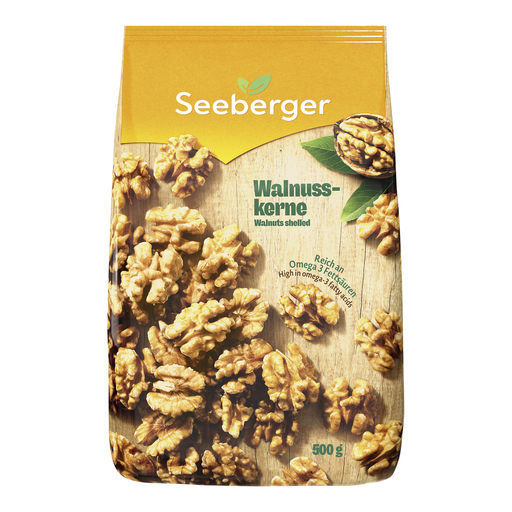 Image unavailable
For adults who want to stock up on walnut kernels as an individual nut variety. The pack contains 500 g; if you have an allergy, check the labelling on the specific pack.
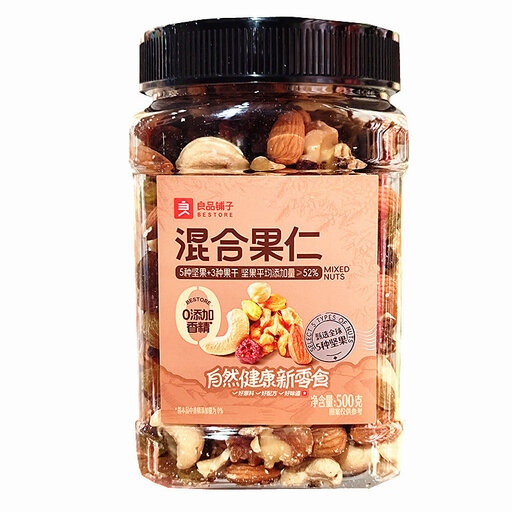 Image unavailable
For adults who’d prefer a mix rather than a single type of nut. The pack contains 500 g; check the specific ingredients and allergen information before choosing.
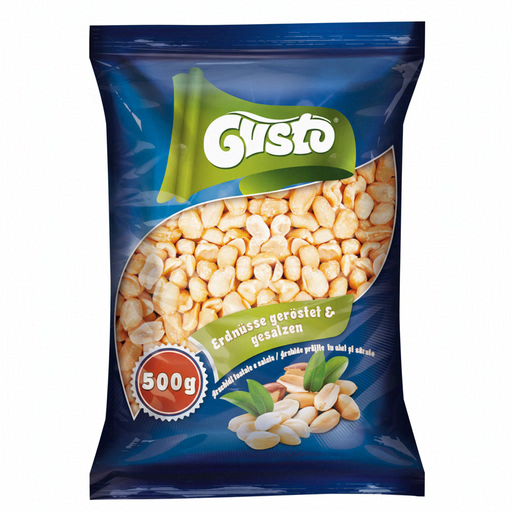 Image unavailable
For adults specifically looking for roasted and salted peanuts. This 500 g pack isn’t an unsalted option; check the allergen labelling.
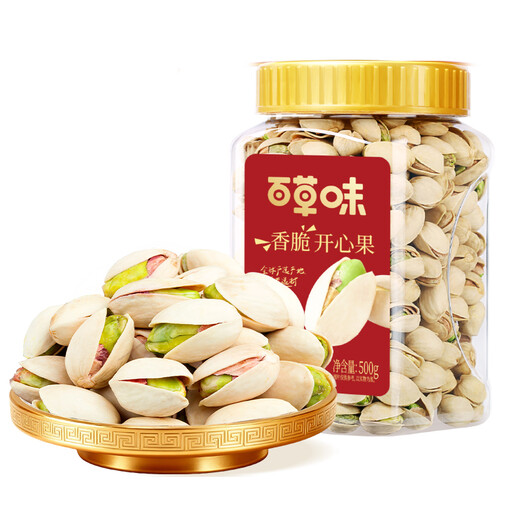 Image unavailable
For adults who prefer pistachios as an individual nut variety. The pack contains 500 g; check the ingredients, allergen information and serving guidance on the specific pack.
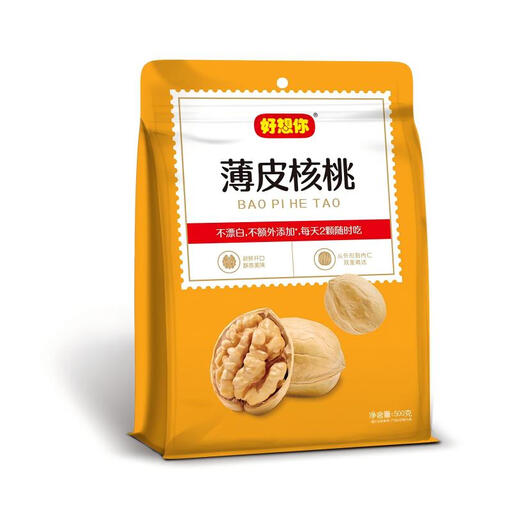 Image unavailable
For adults who want walnuts in their shells and are happy to crack them open. The product description states 500 g and 8 packs; check the storage information before choosing.
A 500 g pack is a good fit if the adults in your household regularly eat the variety you choose and you can store the opened pack appropriately. Compare the quantity with how much you usually use rather than choosing based on pack size alone.
The consumer advice centre recommends keeping opened shelled or chopped nuts in a tin in the fridge. Check them before eating and don’t eat nuts that are visibly mouldy or smell rancid.
No. Whole nuts and pieces of nuts aren’t suitable snacks for toddlers. The German Federal Institute for Risk Assessment warns that they can enter the airways, so keep your adult stock out of reach.
Check the ingredients list and, where provided, any warning that the product may contain traces on the specific pack. Peanuts and tree nuts are among the allergens that must be declared when they’re ingredients. A voluntary ‘may contain’ warning doesn’t mean traces are definitely present, but it doesn’t rule out contact either.