
Lieferung heute & morgen

Qualitätsgarantie

Willkommens-Angebote freischalten: KOSTENLOSE Lieferung | Bis zu 80 % RABATT | Kostenlose 30-Tage-JoyPlus-Testphase
App herunterladen
Finding the right vanilla-flavoured protein powder can quickly become overwhelming. The market is saturated with products all promising similar benefits. However, not every protein powder delivers on its promises. Certain marketing gimmicks and hidden ingredients can lead you to buy a product that doesn't align with your goals or contains unnecessary additives. This guide will help you identify the key criteria and make an informed choice.
Before you make a decision, it's helpful to know the two most common pitfalls you might encounter when choosing a protein powder.
To make the right choice, you should carefully examine two core parameters. These will reveal the quality and suitability of a product for your individual needs.
The foundation of any protein powder is its protein source. The three most common types differ mainly in their digestion speed and amino acid profile.
The nutrition facts panel and the ingredients list are your most important sources of information. Pay attention to the following points:
Based on these criteria, we have curated a selection of products suitable for different user profiles.
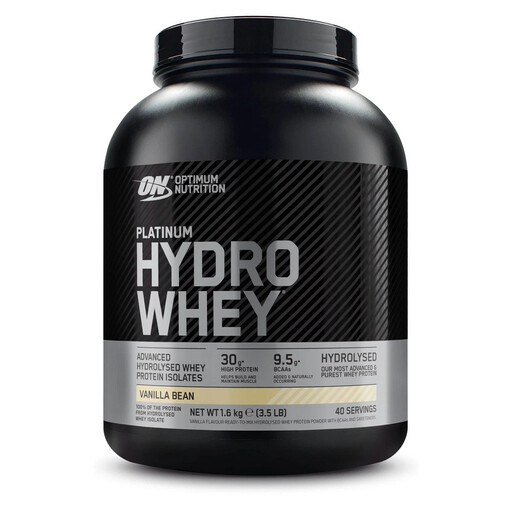
Why This Fits Their Persona: Ideal for athletes who need maximum, rapid protein delivery post-workout to support muscle repair.
As a hydrolyzed whey isolate, it's the purest and fastest-absorbing form of protein available. It contains only 0.5g of sugar per serving, sidestepping the hidden sweetener trap.
30g of protein per serving; fortified with 8.8g of BCAAs to support recovery; extremely fast absorption due to hydrolysis.
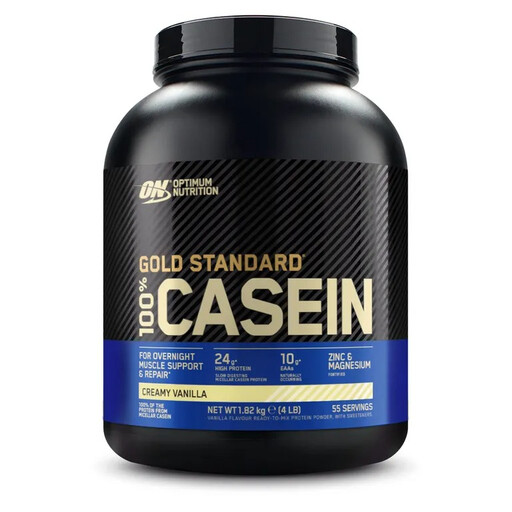
Why This Fits Their Persona: Perfect for individuals looking to ensure a sustained protein supply overnight or between meals to prevent muscle breakdown.
This product specifically uses micellar casein, the slowest-digesting protein form. It's not a fast-acting whey, which would be unsuitable for this use case. The sugar content is very low at 1.1g per serving.
24g of protein per serving; slow and steady release of amino acids; also contains zinc and magnesium to support the immune system and protein synthesis.
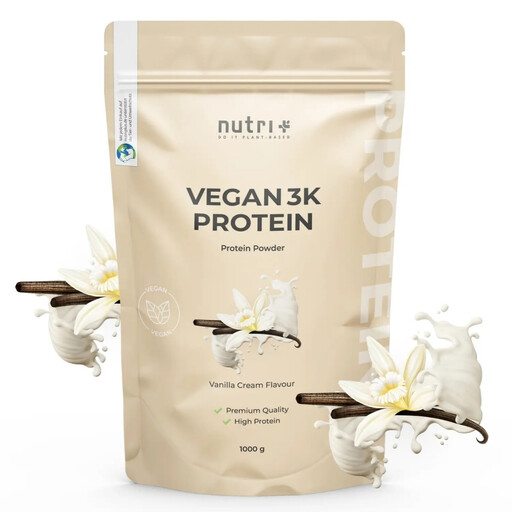
Why This Fits Their Persona: An excellent choice for individuals following a plant-based diet who are looking for an effective protein with a complete amino acid profile.
By combining three plant-based protein sources (soy, pea, sunflower), it achieves a high biological value. It is explicitly labeled as low-sugar and is sweetened with sucralose.
24g of protein per serving; multi-component formula for a balanced amino acid profile; made in Germany.
We've compiled a complete, up-to-date list of products that fully meet these strict selection criteria.
Yes, protein powder can be consumed as part of a balanced diet to increase your daily protein intake. This can be particularly useful for promoting satiety or when it's difficult to meet your protein needs through regular food alone. However, it is not a substitute for whole meals.
The surest way is to check the nutrition facts panel. Look for the "of which sugars" value under "Carbohydrates." A value below 5g per 100g is considered low-sugar. Also, scan the ingredients list for terms like sucrose, glucose, fructose, or maltodextrin, which indicate added sugar.
No, solubility can vary depending on the protein source and processing. Whey isolates and hydrolysates typically dissolve very well and without clumps. Casein proteins tend to form a thicker, creamier consistency. In the past, vegan proteins often had a gritty texture, but modern products, especially multi-component blends, have improved significantly in this area. Preparing it in a shaker with sufficient liquid is generally recommended.