
Lieferung heute & morgen

Qualitätsgarantie

Willkommens-Angebote freischalten: KOSTENLOSE Lieferung | Bis zu 80 % RABATT | Kostenlose 30-Tage-JoyPlus-Testphase
App herunterladen
Vanilla protein powder comes in many varieties: vanilla whey protein, vegan vanilla protein powder, vanilla casein protein or high-protein powder for shakes and snacks. But the differences go beyond flavour. The protein source, serving size, ingredients and nutritional values all determine whether a product suits your everyday routine.
If you focus only on large packs or eye-catching claims, you may end up paying for ingredients you don’t need. Three common pitfalls are worth watching out for:
Vanilla whey protein is made from whey protein and is often used for a vanilla protein shake after a workout or as a snack. Depending on the recipe, it may contain concentrate, isolate or a blend of different types of whey.
Vanilla casein protein is often made from micellar casein. It’s usually thicker and creamier than whey, and is often used between meals or in the evening. This isn’t medical advice; it’s simply a matter of the consistency you prefer and when you plan to use it.
For a vegan diet, options include pea, rice, soya or sunflower protein. Blends combine several sources. Check the ‘vegan’ labelling, the full ingredients list and any potential allergens.
Don’t just compare the percentage shown on the front of the pack. Check these details too:
For example, according to the product information, the 780-gram Optimum Nutrition Gold Standard Whey contains 23.7 grams of protein per 30-gram serving. The 2,000-gram version lists 24 grams of protein per 32 grams and also contains creatine. So you can’t compare these products on pack weight alone.
Look out for milk, soya, gluten, egg, peanuts and nuts. Warnings about potential traces are also important if you have allergies or intolerances. With vegan vanilla protein powder, ‘plant-based’ doesn’t automatically mean free from soya or gluten.
Practical details matter too. Some products are mixed with 180 to 240 millilitres of water, while others need 300 to 400 millilitres. Using more liquid makes the shake thinner. A scoop makes it easier to measure, but it’s still worth checking the actual serving weight.
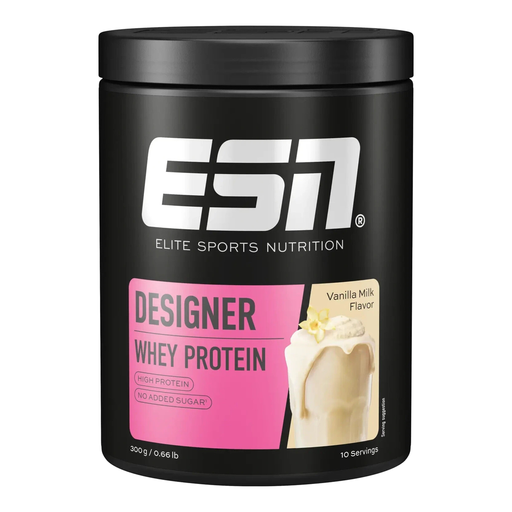
Why this product suits this profile: The 300-gram pack is a good choice if you’d like to try vanilla protein powder in a smaller quantity first. Each 30-gram serving is listed as containing 28.2 grams of whey protein blend.
The manageable pack size reduces the risk of being left with a flavour you don’t enjoy or that doesn’t fit your routine.
30-gram serving; according to the product information, 1.2 grams of carbohydrates and less than 1 gram of fat per serving.
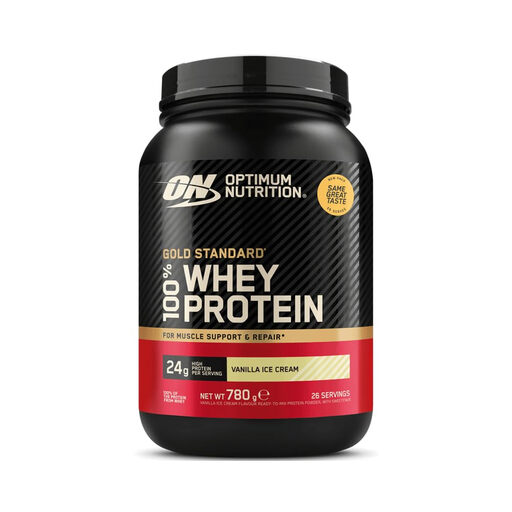
Why this product suits this profile: The 780-gram pack uses a whey protein isolate-based recipe and gives clear information for 30-gram servings.
The figures per 100 grams and per serving make it easier to compare directly with other products.
23.7 grams of protein and 113 kilocalories per serving according to the product information; listed as containing no artificial sweeteners.
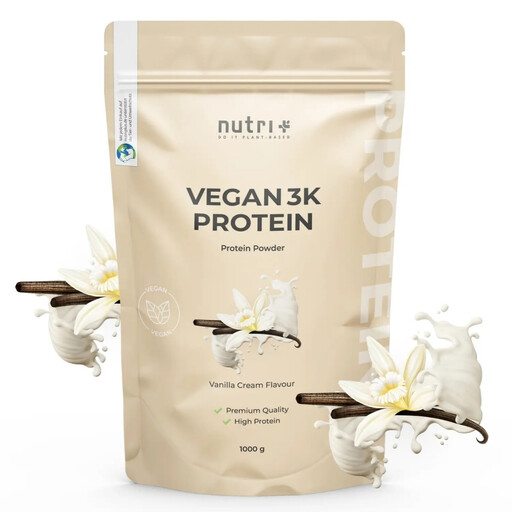
Why this product suits this profile: The blend of soya, pea and sunflower protein is designed for anyone looking for plant-based vanilla protein powder.
The plant-based protein sources are clearly named in the ingredients list. Milk ingredients aren’t listed among the stated ingredients.
24 grams of protein per 30-gram serving; recommended preparation with 350 to 400 millilitres of liquid.
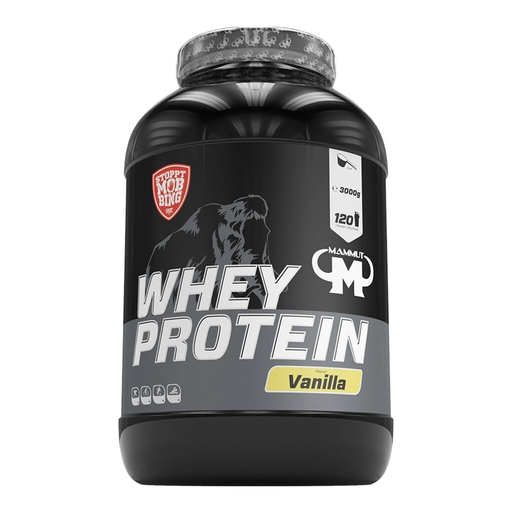
Why this product suits this profile: With around 120 servings according to the product information, this large pack is aimed at people who regularly plan to have vanilla protein shakes or whey as a snack.
The stated number of servings gives you a clear idea of how long the pack will last. Once opened, follow the manufacturer’s storage and use-by guidance.
27 grams of protein per serving according to the product description; suitable for mixing with water or milk.
We’ve put together a complete, regularly updated list of products that meet these strict selection criteria and fully comply with the safety regulations in force in the EU.
Check the best-before date, packaging instructions and storage conditions. Keep the powder dry, cool, away from light and tightly sealed. Moisture can affect its texture. Depending on the product, there may be additional guidance on how long to use it after opening, such as three or four months.
Yes, according to the product information, most powders can be mixed with water. Water changes the shake less than milk or plant-based drinks do. Check the preparation instructions on the packaging for the recommended amount. A protein shake is no substitute for a balanced diet.
Protein powder can help supplement your daily protein intake, but it’s no substitute for training and a varied diet. When choosing a product, focus on protein per serving, how well you tolerate it, the protein source and the ingredients list. Whey, casein and vegan blends differ in their recipes and textures, so a blanket recommendation won’t suit everyone.