
Lieferung heute & morgen

Qualitätsgarantie

Willkommens-Angebote freischalten: KOSTENLOSE Lieferung | Bis zu 80 % RABATT | Kostenlose 30-Tage-JoyPlus-Testphase
App herunterladen
Vanilla is one of the most popular flavours of protein powder. Even so, choosing the right product is not always straightforward: vanilla protein powder can vary significantly in protein content, protein source, sweeteners, serving size and preparation. For athletes, fitness enthusiasts and active adults, taste is therefore only one factor to consider.
As a Joybuy Product Recommendation Officer, I assess the available information objectively and explain what to look for when buying vanilla protein powder. This can help you avoid common purchasing mistakes, whether you are looking for a protein shake after training, a protein-rich snack or a solution for your everyday diet.
A prominent figure on the front of the pack does not always describe the serving you actually want. The key points are:
A product providing 24 g of protein per 30 g serving cannot be directly compared with one that provides 24 g of protein only in a 40 g serving. Always compare like with like.
Vanilla whey protein is generally based on whey protein and contains dairy ingredients. Vanilla casein protein is made from slowly digested milk protein. By contrast, vegan vanilla protein powder may consist of pea, soya, rice, sunflower or wheat protein.
If you want to avoid milk, soya, gluten or certain sweeteners, check the ingredients list and allergen information. Vegetarian products are not automatically vegan.
A protein powder that dissolves quickly is often suitable for a shake around your workout. Casein is frequently chosen for longer-lasting satiety between meals or in the evening. A protein pudding or pancake mix, on the other hand, is not a classic protein powder for a shaker.
For example, according to the product information, Dr. Oetker High Protein Vanilla Pudding contains milk protein and hydrolysed collagen. It is intended to make two portions of pudding and is prepared with hot milk. The product is therefore more suitable as a protein-rich dessert than as a classic protein shake.
First, check the product’s base:
For allergies or intolerances, the highlighted allergens required under the Food Information Regulation (LMIV) are particularly important. You should also pay attention to statements such as “May contain traces of …”.
For an easy comparison, a short checklist is useful:
The amount of liquid affects the flavour, calories and consistency. According to the product information, ESN Designer Whey, for example, is mixed with 30 g of powder and 200 ml of water or semi-skimmed milk. Nutri+ 3K Protein recommends 350 to 400 ml of liquid. Serving details therefore cannot be transferred directly from one product to another.
When calculating ongoing costs, the pack price is not the only factor to consider. Work out the price per serving or per 100 g of protein. A large pack can offer good value if the flavour and tolerability suit you over the long term. For beginners, however, a smaller pack is often more sensible, as it limits the cost of a poor purchase.
Also follow storage instructions such as “store in a cool, dry place away from light”. Once opened, products should be used within the period specified by the manufacturer. Prepared shakes should not be stored for long periods.
The following products meet different needs: classic whey, a plant-based protein blend, casein and a larger pack for frequent users. The information comes from the respective product details; the labelling on the packaging remains authoritative.
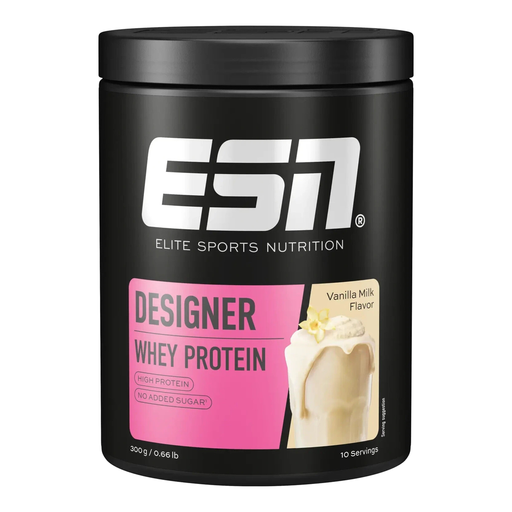
Why this product suits this profile: The 300 g pack is ideal for trying a classic vanilla whey protein without committing to a large pack straight away. According to the product information, each 30 g serving contains 28.2 g of whey protein blend.
The product description states the protein content, serving size, amount of liquid and the milk and soya allergens. This makes it easier to check whether the product fits your diet before buying.
Whey blend made from concentrate and isolate, 75 g of protein per 100 g according to the product information, and preparation with water or semi-skimmed milk.
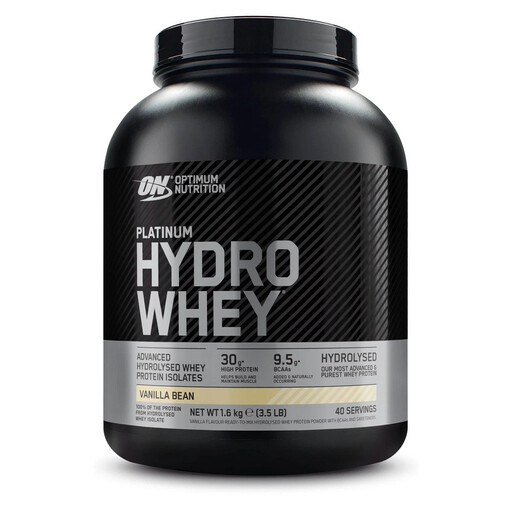
Why this product suits this profile: The formulation is aimed at adults who prefer a clearly stated amount of protein per serving together with detailed nutritional information.
Rather than focusing only on BCAA figures, the product description states 30 g of protein per 40 g serving, as well as sugar, carbohydrates, fat and allergens.
Hydrolysed whey isolate, 30 g of protein per serving and 8.8 g of BCAAs according to the product information; milk and soya are listed as allergens.
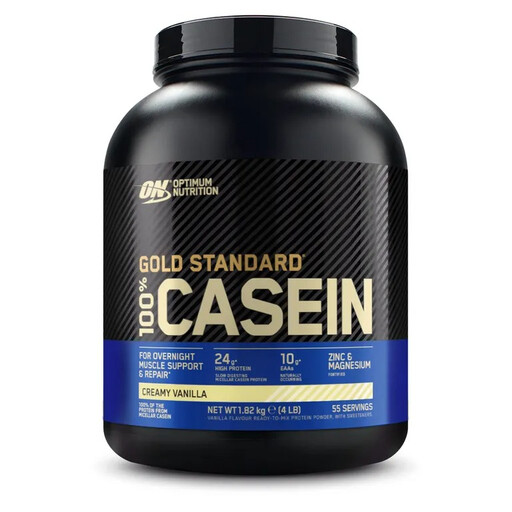
Why this product suits this profile: With 55 servings, micellar casein is aimed at people who want to include protein powder between meals or in the evening.
The 33 g serving and recommended preparation with 300 ml of water are clearly stated. This makes it easier to calculate your actual consumption.
24 g of protein per serving, 88% micellar casein according to the ingredients information, plus stated amounts of magnesium and zinc.
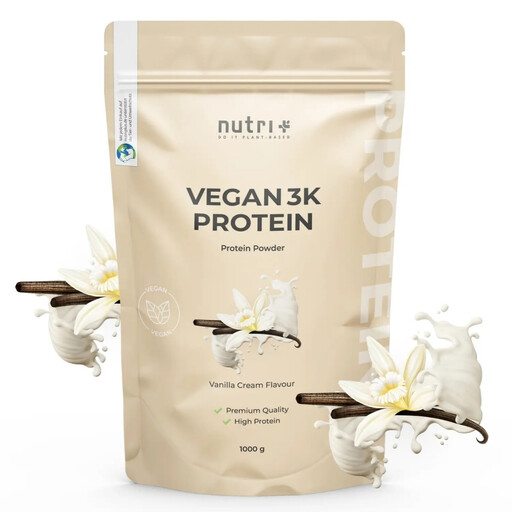
Why this product suits this profile: The blend of soya, pea and sunflower protein is intended for adults looking for a larger pack of vegan vanilla protein powder.
The plant-based protein sources are named in the ingredients list. It also states 24 g of protein per 30 g serving and recommends 350 to 400 ml of liquid.
Three plant-based protein sources, a 1 kg pack and 24 g of protein per serving according to the product information; soya should be taken into account as an allergen.
We have put together a complete, regularly updated list of products that fully meet these strict selection criteria and the safety regulations applicable in the EU.
A protein shake can be enjoyed after training, between two meals or as part of breakfast. It does not replace a varied diet. For building and maintaining muscle, your overall daily diet is what matters; protein is one part of it.
If you prefer a protein-rich snack, you can choose a pancake or pudding mix instead of a shake. If you use protein before going to bed, a casein product may be better suited to this use because of its stated protein source. People with kidney disease or other pre-existing conditions should consult a doctor before using food supplements.
Vanilla whey protein is often chosen for post-workout shakes because it is usually easy to prepare with water or milk. However, the protein content, tolerability, ingredients and your individual dietary goals are what really matter. No single product is equally suitable for everyone.
Check the best-before date and storage instructions on the packaging. Once opened, the powder should be stored somewhere dry, tightly sealed and protected from direct sunlight. Some manufacturers also specify a period in which the product should be used after opening. Moisture, an unusual smell or clumping may indicate that the product quality has deteriorated.
Divide the pack price by the stated number of servings. For a fairer comparison, you can also calculate the price per 100 g of protein. Take into account whether the serving is prepared with milk or water, as milk provides additional calories and nutrients.