
Lieferung heute & morgen

Qualitätsgarantie

Willkommens-Angebote freischalten: KOSTENLOSE Lieferung | Bis zu 80 % RABATT | Kostenlose 30-Tage-JoyPlus-Testphase
App herunterladen
A vanilla protein product should fit easily into your daily routine, be simple to measure reliably and suit your personal dietary preferences. However, product names such as “High Protein”, “Recovery” or “Premium Whey” do not automatically mean you have found the right choice. The nutritional information, protein source, serving size and intended use are what really matter.
This buying guide explains what athletes, fitness enthusiasts, strength trainers and health-conscious adults should look for when buying vanilla protein powder.
A large serving can provide a high amount of protein even if the proportion of protein in the powder itself is comparatively lower. Always compare both figures:
A vanilla whey protein with 24 g of protein per 32 g serving cannot be directly compared with vanilla protein powder containing 27 g of protein per 25 g serving without taking the reference quantity into account.
Protein powder without sugar may contain sweeteners such as sucralose, acesulfame-K or steviol glycosides. If you want to avoid certain sweeteners, check the complete ingredients list. Milk or a plant-based drink will also affect the sugar content of the finished vanilla protein shake.
Vanilla can be combined with whey, casein or plant-based proteins. Anyone following a vegan diet will need a product labelled as vegan. Whey and casein come from milk and are therefore not suitable for a vegan diet. Allergens such as milk, soya, wheat, egg, nuts and peanuts should also be taken into account.
Whey protein is often used in a shake before or after training. Depending on the product, it may consist of concentrate, isolate or a blend of both. One example is ESN Designer Whey Protein Vanilla Milk, with a whey protein blend made from concentrate and isolate.
Vanilla casein has a different consistency and solubility to whey. Micellar casein is often chosen for a more filling shake between meals or in the evening. The term “slow release” should be understood as a product characteristic, not as a medical effect.
Vegan vanilla protein powder may be based on pea, rice, soya, sunflower, wheat or almond protein, for example. Blends combine several sources. If you have allergies or intolerances, the ingredients list is more important than the marketing term “plant-based”.
Pay attention to the nutritional values per 100 g as well as the recommended serving size. In the product data available, the figures range from approximately 23 g to 30 g of protein per serving. A low sugar content may be important for people who want to include a shake in their diet while keeping an eye on their calorie intake.
“Sugar-free” should only be assumed when the nutritional information and legally permitted labelling confirm it. Products with added coffee, or those intended for making puddings or pancakes, contain additional ingredients.
A large pack is not automatically better value. Calculate:
Product price ÷ number of servings = price per serving
Also take the recommended amount of liquid into account. A product mixed with 180 to 240 ml of water will differ in volume and flavour from a blend intended for 300 to 400 ml of liquid.
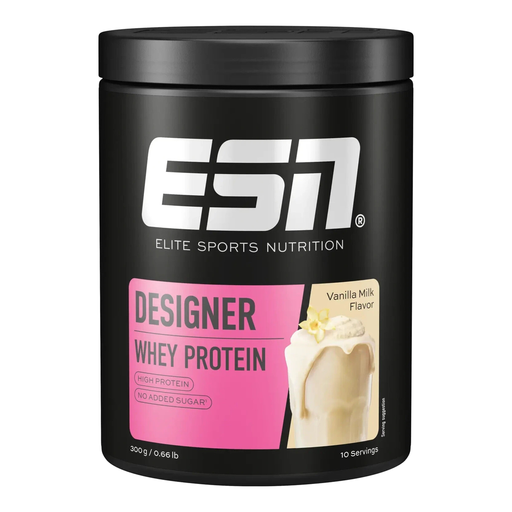
Why this product suits this profile: The 300 g pack is ideal for anyone who wants to try vanilla protein in a manageable quantity first. According to the product details, a 30 g serving provides 28.2 g of whey protein.
The serving size and nutritional values are clearly stated. Buyers do not have to purchase a large bulk pack before they can assess the flavour and how well they tolerate it.
A whey blend made from concentrate and isolate, 75 g of protein per 100 g according to the product description, and preparation with water or low-fat milk.
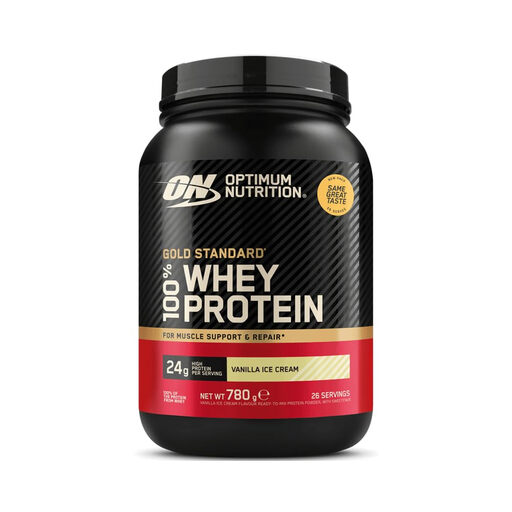
Why this product suits this profile: The product details state that it contains 79 g of protein per 100 g and 23.7 g per 30 g serving. This makes it easier to factor into your daily protein plan.
The amounts of energy, protein, fat and carbohydrates per serving are listed. According to the product description, this variant contains no artificial sweeteners.
Whey isolate as the protein source according to the product data, 113 kcal per 30 g serving, and preparation with water or milk.
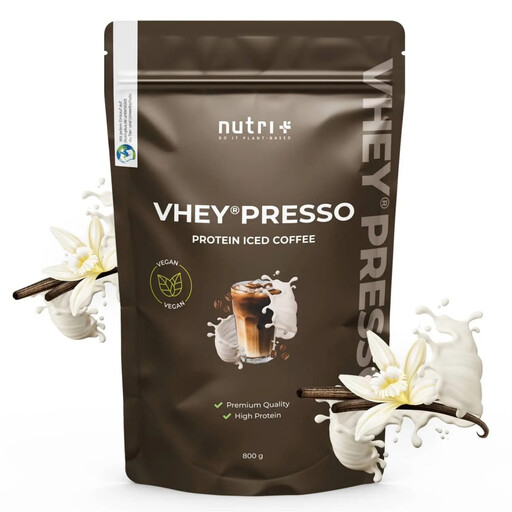
Why this product suits this profile: For anyone who wants to combine a protein shake with coffee, a 30 g serving provides 21 g of plant-based protein and 100 mg of caffeine according to the product details.
The caffeine content of 100 mg per serving is stated clearly. This makes it easier to plan the product as part of your personal caffeine intake.
A plant-based protein blend made from soya and pea, an 800 g pack and preparation as a cold vanilla protein coffee.
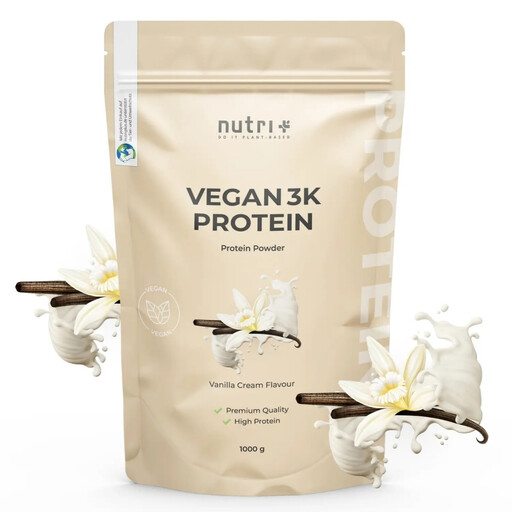
Why this product suits this profile: According to the product description, the blend combines soya, pea and sunflower protein. A 30 g serving provides 24 g of protein.
The protein sources are clearly named. Anyone with a soya allergy should still check the ingredients list, as soya is part of the recipe.
Vegan recipe, 1 kg pack and flexible preparation with 350 to 400 ml of liquid.
A classic shake is not the only option. Nutri+’s Vanilla Protein Pancake Mix is mixed with water or a plant-based drink and cooked in a frying pan. According to the product details, a 50 g serving provides 25 g of plant-based protein.
For an evening routine, a casein product providing 24 g of protein per 33 g serving can be an alternative to whey. If you prefer a large pack for regular use, you can find casein variants of 1.8 kg or whey products weighing 2 to 3 kg, for example. Storage life, the seal and your rate of consumption should all be taken into account.
We have put together a complete, regularly updated list of products that fully meet these strict selection criteria and the safety regulations applicable in the EU.
The exact amount depends on the product. Typically, 25 to 40 g of powder is mixed with around 180 to 400 ml of cold water, milk or a plant-based drink. A shaker is ideal for achieving an even consistency. The instructions provided by the relevant manufacturer should always be followed.
The best-before date is shown on the packaging. Once opened, the powder should be stored in a dry, sealed place away from heat. Moisture can affect how freely it pours and its consistency. A prepared shake should be consumed promptly.
No. Protein powder after training can be a convenient addition if it is difficult to meet your daily protein intake through regular foods. However, choosing the right product depends not only on timing, but also on the protein source, serving size, tolerability and your overall diet.