
Lieferung heute & morgen

Qualitätsgarantie

Willkommens-Angebote freischalten: KOSTENLOSE Lieferung | Bis zu 80 % RABATT | Kostenlose 30-Tage-JoyPlus-Testphase
App herunterladen
A new vanity unit can functionally and visually upgrade a small bathroom or guest powder room. However, the selection is vast, and not every product lives up to its promise. Many buyers are frustrated by materials that swell after just a few months or discover during installation that the new cabinet doesn't fit the existing plumbing.
As your Joybuy Product Recommendation Officer, I'm here to help you navigate these common pitfalls. This guide focuses on the objective criteria that truly matter, ensuring you find a durable and suitable solution for your home.
Before we turn to the solutions, it's important to understand the most common problems that lead to frustration and unnecessary expense:
To avoid the mistakes mentioned above, you should check three core aspects before buying. These define the longevity and functionality of your new wash station.
The quality of the material is the most important factor for your cabinet's lifespan. Look for the following specifications:
Measure precisely before you buy. Note not only the available width, height, and depth but also the exact dimensions and position of your siphon.
The type of sink affects the look and the installation process.
Here are some recommendations tailored to different needs and room situations that meet the quality criteria mentioned.
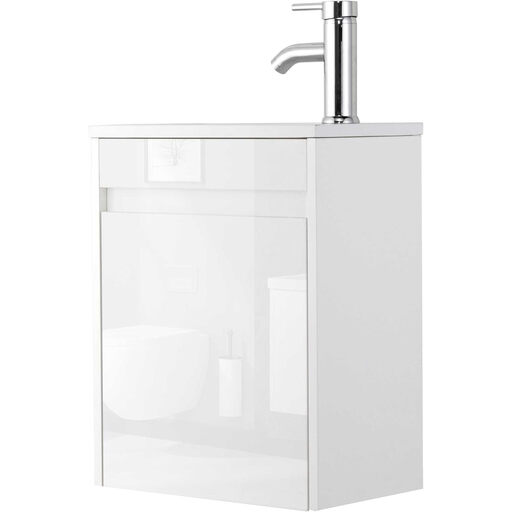
Why This Fits Their Persona: Ideal for those looking for a quick, all-in-one solution for a very small wash space. The wall-mounted design creates floor clearance and simplifies cleaning.
As a complete set, the sink and cabinet are perfectly matched, eliminating compatibility issues with the siphon. The basin's resin material is designed for humid environments.
Very space-saving design (40.6 cm width). Wall-hung for a clean, uncluttered look.
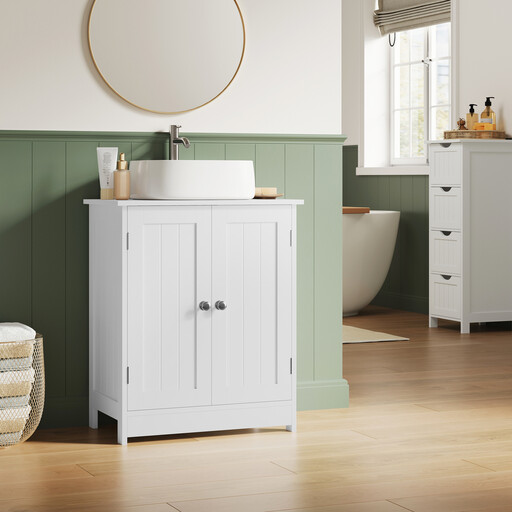
Why This Fits Their Persona: A functional and value-conscious choice for anyone looking to complement an existing sink with a simple yet well-designed cabinet. Fits many standard bathrooms.
The manufacturer clearly specifies the siphon cutout dimensions (20x15.5 cm), preventing incorrect purchases. The shelf is adjustable, solving the problem of inflexible storage. The UV lacquer finish protects against moisture.
Flexible storage thanks to an adjustable shelf. Clear dimensions for an easy compatibility check.
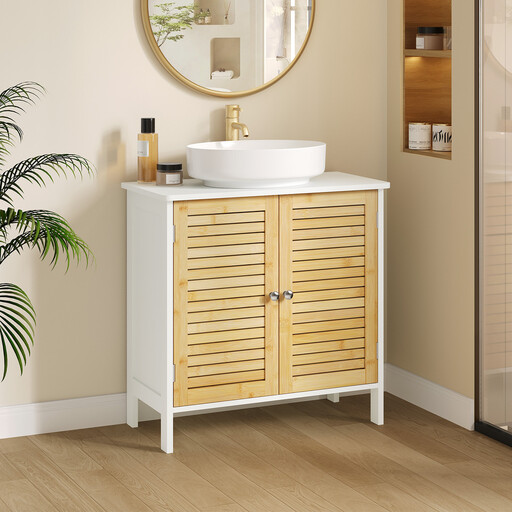
Why This Fits Their Persona: This combination allows for a custom, modern design. The cabinet with bamboo elements and a separate, stylish vessel sink create a high-end look.
The material combination of bamboo and E1-MDF in the cabinet is moisture-resistant. The ceramic basin is inherently durable. The adjustable shelf in the cabinet provides flexible storage.
High degree of design freedom. High-quality, durable materials (bamboo, ceramic). Modern, individual style.
We have compiled a complete, real-time list of products that fully satisfy these strict selection criteria and UK safety regulations.
1. How do I correctly measure the siphon cutout for an under-sink cabinet? Measure two values: the width of the siphon pipe (including the slip nuts) and the distance from the wall to the front edge of the pipe. This gives you the required width and depth of the cutout. Compare these measurements with the manufacturer's specifications for the cabinet.
2. Which materials are the most durable for under-sink cabinets in humid environments? Materials with a completely sealed surface are best. These include melamine resin-coated or multi-lacquered MDF boards (E1-Class). Solid wood like bamboo is also a good option, as it naturally has a higher resistance to moisture.
3. Can I install a countertop sink on any cabinet? No. You need a cabinet with a solid top panel without a pre-made sink cutout. Ensure that the panel is sturdy enough to support the weight of the filled ceramic vessel sink. Additionally, a hole for the sink's drain must be drilled into the panel.