
Lieferung heute & morgen

Qualitätsgarantie

Willkommens-Angebote freischalten: KOSTENLOSE Lieferung | Bis zu 80 % RABATT | Kostenlose 30-Tage-JoyPlus-Testphase
App herunterladen
A vanity unit is a simple and effective solution for concealing unsightly pipes and creating valuable storage space in the bathroom. However, the sheer number of options can quickly become overwhelming. Many models look good at first glance but reveal their weaknesses after just a few months in a humid bathroom environment. Before you make a decision, you should be aware of the three most common traps that lead to a poor purchase.
This guide will help you avoid these problems and find a vanity unit that is functional, durable, and a perfect fit for your bathroom.
To find a durable and practical cabinet, you should focus on three core aspects. These parameters determine whether a piece of furniture can withstand the demands of daily bathroom life.
The material is the most critical factor for longevity in a humid bathroom climate.
Measuring is essential. Take the time to accurately determine three values:
Consider what you plan to store. This will determine the ideal layout.
Here are some recommendations tailored to different needs and bathroom situations.
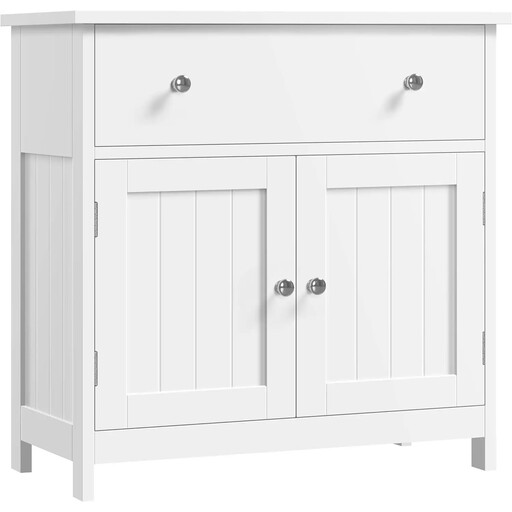
Why This Fits Their Persona: Ideal for anyone looking for a functional and cost-effective solution without compromising on fundamental quality. The classic white design fits into almost any bathroom.
The construction from MDF panels with a water-resistant coating prevents the material from swelling, a typical weakness in cheaper models.
With one drawer and a two-door compartment, it offers a well-thought-out layout for small items and larger utensils. The standard 60 cm width fits under many common sinks.
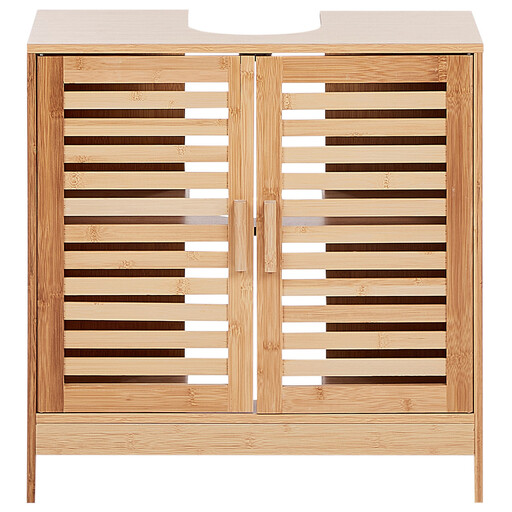
Why This Fits Their Persona: Perfect for users who value durability, a warm aesthetic, and sustainable materials. Bamboo is an excellent choice for the humid climate of a bathroom.
Bamboo is naturally moisture-resistant and does not swell. The louvered doors solve the ventilation trap by ensuring constant air circulation, thus preventing mildew inside the cabinet.
The combination of robust material and thoughtful design ensures high durability. The two shelves provide structured storage space for bathroom essentials.
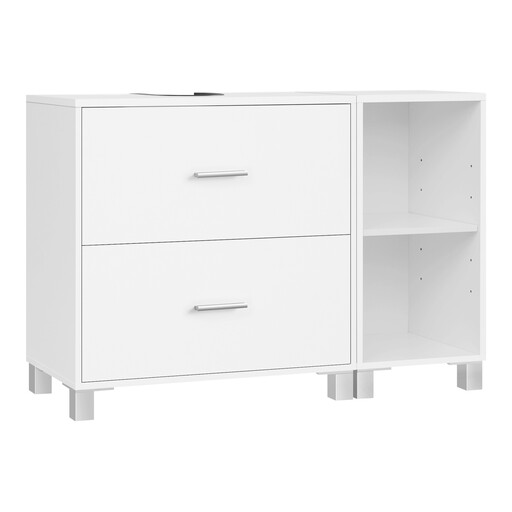
Why This Fits Their Persona: Ideal for renters or homeowners with unique spatial constraints who need an adaptable storage solution. This set maximises space even in awkwardly shaped bathrooms.
This model cleverly solves the measurement trap: the separate side cabinet can be placed on the left, right, or even detached, allowing for high adaptability to different room and p-trap layouts.
The modular design offers maximum flexibility. The adjustable shelf in the side cabinet and the two drawers in the main unit create versatile storage space.
We have compiled a complete, up-to-date list of products that fully meet these strict selection criteria and safety standards.
1. How do I measure for the p-trap cutout correctly? First, measure the distance from the wall to the front edge of the drain pipe (this is the depth of the cutout). Then, measure the width of the pipe itself. Add about 1-2 cm of clearance to both measurements to ensure the cabinet fits easily. Compare the result with the p-trap cutout dimensions in the product description.
2. What is the most durable material for a freestanding bathroom cabinet? For a freestanding bathroom cabinet, materials with high moisture resistance are crucial. Solid wood like bamboo is naturally very robust. Alternatively, MDF panels with a seamless, high-quality lacquer or melamine coating are a very durable and low-maintenance option, as the seal prevents moisture from penetrating.
3. Can I use a vanity unit without a p-trap cutout? Yes, this is possible. Many models are offered as general bathroom cabinets or sideboards. If you want to place a cabinet without a cutout under a sink, the p-trap must come out of the wall, not the floor, and have enough clearance from the wall for the cabinet to fit in front of it. Alternatively, such cabinets can be used as additional, freestanding storage elsewhere in the bathroom.