
Lieferung heute & morgen

Qualitätsgarantie

Willkommens-Angebote freischalten: KOSTENLOSE Lieferung | Bis zu 80 % RABATT | Kostenlose 30-Tage-JoyPlus-Testphase
App herunterladen
Wasted space under the sink, exposed pipes, and a lack of storage—these are common bathroom frustrations. A matching vanity unit seems like the simple solution. However, the purchase is fraught with pitfalls that can quickly lead to frustration and a useless piece of furniture. Many products promise more than they deliver and fail to meet the basic requirements of a damp bathroom environment.
As your Joybuy Product Recommendation Officer, I'll help you identify the typical traps. Instead of falling for marketing promises, we'll focus on the facts that truly matter. This way, you'll find a model that not only looks great but also serves its purpose for years to come.
The Fit Fallacy: Ignored Dimensions and the Wrong Siphon Cut-Out The most frequent mistake is assuming that every vanity unit has a universal fit. Many buyers only measure the available width, overlooking the exact position and diameter of the siphon pipe. A siphon cut-out that is too small or incorrectly placed will make the cabinet impossible to install or require awkward modifications that can damage the material.
The Material Dilemma: A Lack of Moisture Resistance The bathroom is the most humid room in the house. Untreated particleboard or low-quality MDF boards quickly swell when exposed to water vapour and splashes. The laminate peels, edges become unsightly, and the unit's stability suffers. A cabinet that shows signs of wear after just a few months is a poor investment.
The Stability Illusion: Low Load Capacity and Wobbly Construction In product photos, all cabinets look sturdy. In reality, many models are built with thin back panels and inadequate connectors. When heavy bottles of cleaning supplies or bulk packs of toilet paper are stored, the shelves can sag, or the entire cabinet body becomes unstable.
To avoid a bad purchase, you should focus on three core aspects. These define the durability and functionality of your new bathroom furniture.
The choice of material is crucial for longevity in the bathroom.
Measure carefully before you buy. Note not only the dimensions of the cabinet but also those of your sink and its plumbing.
Consider what you plan to store.
Here are some recommendations tailored to different needs and budgets, all of which meet the quality criteria mentioned above.
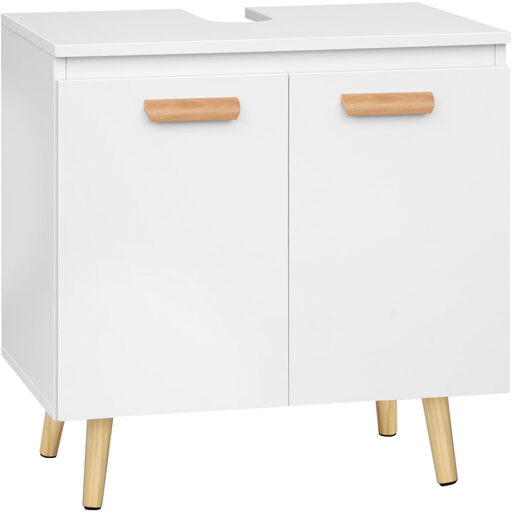
Why This Fits Their Persona: Ideal for a first apartment or rented bathroom where a functional and cost-effective solution is needed to create order. The minimalist design complements many interior styles.
The engineered wood material is designed for damp rooms and is easy to clean, counteracting the trap of poor moisture resistance. The standard 60 cm width fits many bathrooms but still requires precise measurement of the siphon.
Excellent value for money; simple and quick assembly thanks to numbered parts.
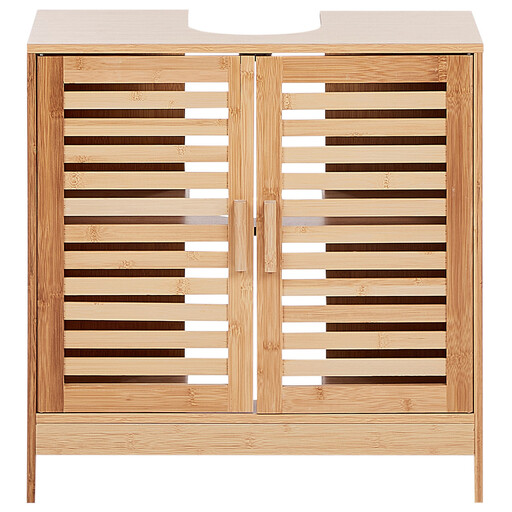
Why This Fits Their Persona: For users seeking an alternative to standard white furniture and who value a warm, natural aesthetic. The Scandinavian style creates a cosy atmosphere in the bathroom.
Bamboo is naturally more moisture-resistant than MDF or particleboard, making it ideal for the bathroom climate. The slatted doors promote air circulation, preventing odours and mould growth.
Made from the renewable resource of bamboo; slatted design ensures good ventilation for the interior.
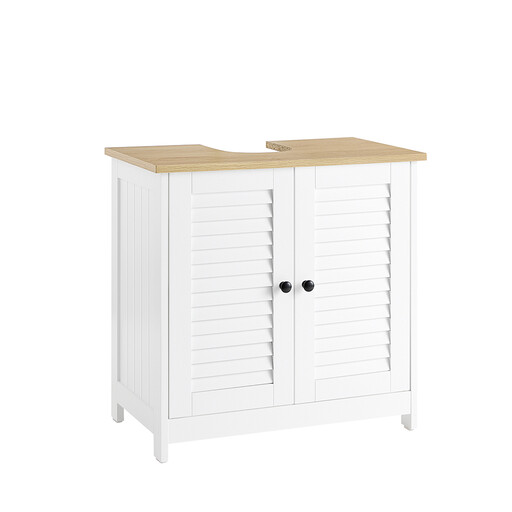
Why This Fits Their Persona: Perfect for families or individuals with many bathroom essentials who need a durable, flexible, and well-designed storage solution. The high load capacity and adjustable compartments are key here.
This model addresses two traps at once: the slatted doors and waterproof silicone feet counteract the moisture issue (Trap 2). The sturdy construction from E1-grade MDF boards with a 25 kg load capacity prevents sagging shelves (Trap 3).
Adjustable shelves for maximum flexibility; slatted doors for mould prevention.
We have compiled a complete, real-time list of products that fully satisfy these strict selection criteria and UK safety regulations.
To ensure your new cabinet fits, follow these steps:
Yes, this is possible, but only in specific situations. A cabinet without a sink cut-out is suitable if you have a wall-mounted sink where the siphon is concealed within the wall or runs above the cabinet. Alternatively, such a cabinet can be placed as an additional, freestanding piece of bathroom furniture next to the sink to maximise bathroom storage.
For maximum durability in a humid bathroom climate, materials with excellent water resistance are the top choice. Solid woods like bamboo or teak are naturally very robust. A more affordable, yet also very durable, alternative is high-quality MDF board that is completely sealed with a waterproof melamine resin coating or an acrylic lacquer. Ensure that the edges and back panels are also treated, as this is where moisture is most likely to penetrate.