
Lieferung heute & morgen

Qualitätsgarantie

Willkommens-Angebote freischalten: KOSTENLOSE Lieferung | Bis zu 80 % RABATT | Kostenlose 30-Tage-JoyPlus-Testphase
App herunterladen
A vanity unit is more than just a piece of furniture; it's a functional necessity for hiding unsightly pipes and creating valuable storage space in your bathroom. However, the selection process can be tricky. Many models look appealing online, only to reveal themselves as a poor investment after just a few months. As your Joybuy Product Recommendation Officer, I'm here to help you navigate the common pitfalls and make an informed decision.
Before you decide on a model, you should be aware of the most common problems that arise with low-quality bathroom cabinets. These often lead to frustration and additional costs.
To avoid these problems, focus on three core aspects. These will determine the durability and functionality of your new vanity unit.
The material is the foundation for longevity in the bathroom. Pay attention to the following points:
Measuring is everything. Before you buy, take the time to determine the following dimensions exactly:
Consider what you want to store. This will determine whether doors, drawers, or open shelves are more suitable for you.
Here are some recommendations tailored to different needs and bathroom situations.
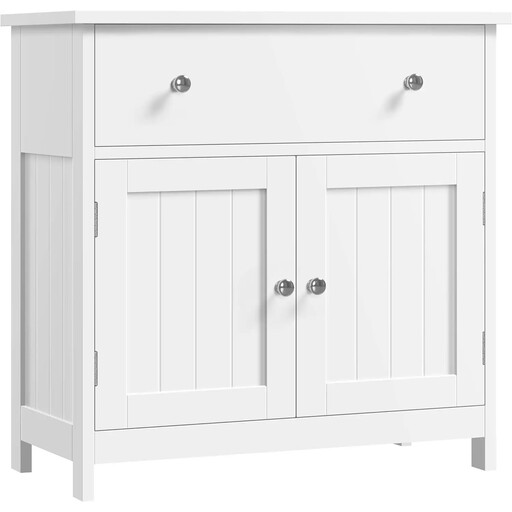
Why This Fits Their Persona: Ideal for anyone looking for a functional and cost-effective first setup. The classic white design fits into almost any bathroom and provides a solid foundation without unnecessary frills.
The construction from FSC-certified MDF panels with a water-repellent coating effectively prevents the material from swelling, one of the most common weaknesses in budget-friendly models.
It offers a combination of a drawer and a cabinet compartment, allowing for flexible organisation of both small and large bathroom essentials. The easy-to-clean surface is another plus.
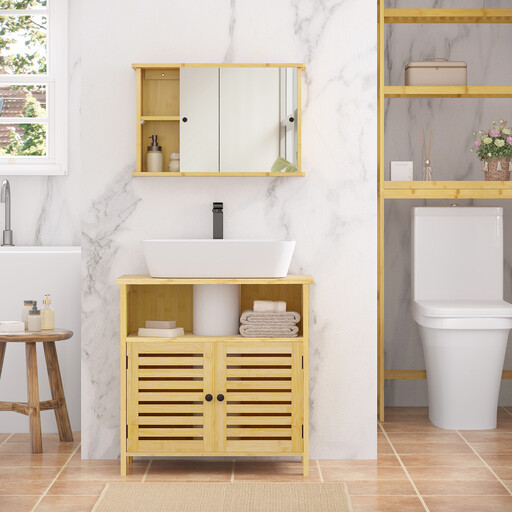
Why This Fits Their Persona: Perfect for users who value a natural aesthetic and sustainable materials. Bamboo creates a warm, spa-like atmosphere in the bathroom.
The louvered doors ensure constant air circulation. This actively counteracts the risk of musty odours and mould growth—a key advantage over completely enclosed cabinets.
The bamboo material is naturally water-repellent and durable. Additionally, the cabinet features an adjustable shelf, allowing for flexible customisation to fit bathroom items of various heights.
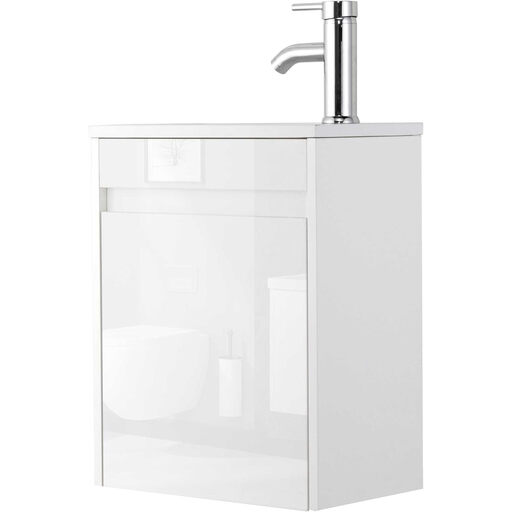
Why This Fits Their Persona: An all-in-one solution for very small bathrooms or powder rooms. Since the sink and cabinet form a single unit, a perfect fit is guaranteed, and space is used optimally.
The problem of an ill-fitting siphon cutout is completely eliminated, as the set is designed as an integrated unit. The wall-mounted design also saves valuable floor space and makes cleaning the floor easier.
The compact width of approx. 41 cm is ideal for alcoves. The set includes a high-quality resin sink with a smooth, easy-to-clean surface and an integrated pop-up drain.
We've compiled a complete, up-to-date list of products that fully meet these strict selection criteria and safety regulations.
Measure three crucial areas:
Most standard vanity units are designed for wall-mounted sinks. However, there are special models with a wider cutout at the back to fit around the pedestal base. Look for notes like "suitable for pedestal sinks" in the product description or check the dimensions of the rear cutout. The Ochama Under-Sink Cabinet is an example of such a design.
Proper care significantly extends its lifespan. Always wipe away water spots and splashes immediately with a soft, dry cloth. Avoid letting water stand on the surface. For cleaning, a damp cloth is usually sufficient, with a mild, neutral cleaner if necessary. Do not use abrasive or harsh cleaning agents, as they can damage the protective seal.