
Lieferung heute & morgen

Qualitätsgarantie

Willkommens-Angebote freischalten: KOSTENLOSE Lieferung | Bis zu 80 % RABATT | Kostenlose 30-Tage-JoyPlus-Testphase
App herunterladen
A variable temperature kettle is more than just a kitchen appliance for heating water. For tea and coffee connoisseurs, parents of infants, or health-conscious individuals, the precise water temperature is crucial for the final result. However, the market is flooded with models whose advertised features fail to impress in practice. Before you make a decision, it's essential to understand the common pitfalls that can lead to an unsatisfying purchase.
This guide will help you separate the wheat from the chaff and find a model that reliably meets your needs.
Many devices advertise advanced features, but these often hide flaws that only become apparent with daily use. Pay special attention to these three points:
To avoid the problems mentioned above, you should base your choice on objective technical features. The following three aspects are essential for an informed decision.
The material of the inner container is crucial for taste neutrality and durability.
A good electric kettle with temperature selection offers more than just a "hot" setting.
Safety and practical handling should not be overlooked in daily use.
Based on the criteria above, we have identified some models that are particularly well-suited for different user profiles.
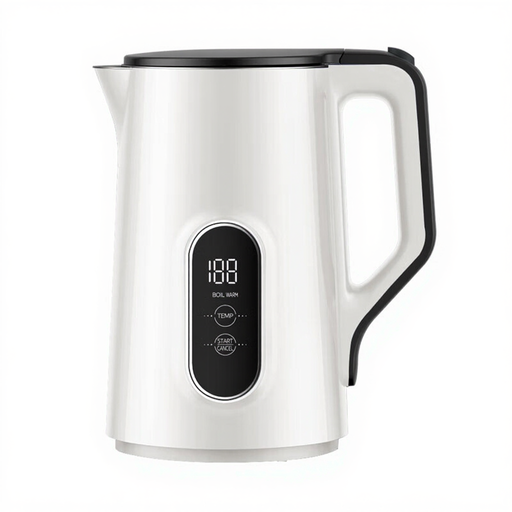
Why This Fits Their Persona: Ideal for users who need precise temperatures for various types of tea and coffee. The 7 presets and digital display offer full control for optimal flavour.
The digital display shows the temperature in real-time, minimising the risk of inaccuracies. The 304 stainless steel interior and BPA-free components address material concerns.
Precise temperature control (45–100°C) and a 1-hour keep-warm function. The double-wall construction provides anti-scald protection.
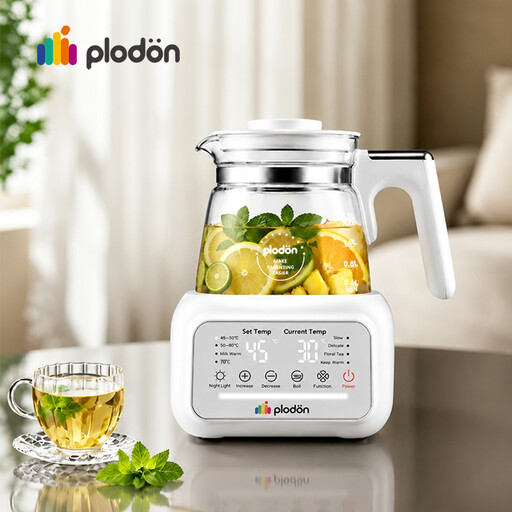
Why This Fits Their Persona: Perfect for parents who need water at the right temperature for baby formula quickly, day or night. The extra-long keep-warm function and special modes like 'Milk Warming' offer exceptional convenience.
The body, made of thick borosilicate glass, is BPA-free and taste-neutral. The precise temperature control and LCD display ensure the desired temperature is reached accurately.
Up to 72 hours of constant temperature maintenance, according to the manufacturer. Versatile programs including dechlorination and an integrated night light for use after dark.
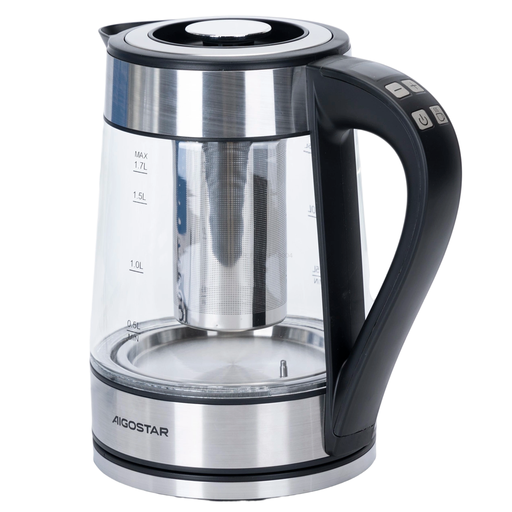
Why This Fits Their Persona: For users seeking large capacity and modern technology. This model combines a generous volume with detailed temperature control and a removable tea filter.
The 13-step temperature control and digital display offer high precision. Its glass and stainless steel construction prevents water from contacting low-quality materials.
Large 1.7-litre volume, a memory function that recalls the last setting, and an integrated tea filter that turns the appliance into a versatile tea maker.
We have compiled a complete, up-to-date list of products that fully meet these strict selection criteria and rigorous safety standards.
The frequency depends on the water hardness in your area. With hard water, descaling every one to two months is recommended to maintain heating performance and the accuracy of the temperature sensor. Use commercial descalers or a mixture of water and vinegar essence for this purpose.
Modern glass kettles are made from robust borosilicate glass, which is very heat-resistant. They are durable with normal use. Nevertheless, a stainless steel kettle is more resistant to impacts or being dropped. The choice is often a matter of personal preference between aesthetics and maximum durability.
The keep-warm function is designed to be more energy-efficient than repeatedly re-boiling water. The device only reheats in short intervals to maintain the temperature. The exact consumption depends on the kettle's insulation and the duration of use, but it is generally lower compared to boiling from cold.