
Lieferung heute & morgen

Qualitätsgarantie

Willkommens-Angebote freischalten: KOSTENLOSE Lieferung | Bis zu 80 % RABATT | Kostenlose 30-Tage-JoyPlus-Testphase
App herunterladen
By Joybuy Product Recommendation Officer, August 29, 2026
A variable temperature kettle is more than just a kitchen appliance for heating water. For lovers of green tea, pour-over coffee, or parents preparing baby formula, precise water temperature is crucial for the final result. However, the market is flooded with models whose advertised features often fail to deliver in practice. Before you make a purchase, it's vital to understand the common pitfalls that can lead to disappointment and unnecessary expense.
This guide will help you separate the wheat from the chaff. We focus on the objective features that truly matter and show you how to spot the most common flaws and exaggerated marketing claims.
Many appliances look high-quality at first glance but reveal their weaknesses only in daily use. Pay special attention to these three points to avoid making a bad purchase.
To ensure your new kettle meets your requirements, you should focus on verifiable technical specifications and material standards.
The material of the inner pot is the most important criterion for water quality and durability.
A digital kettle offers more than just boiling water. The quality of its implementation is what matters here.
Instead of making a one-size-fits-all recommendation, we have identified models tailored to specific user profiles that avoid the pitfalls mentioned above.
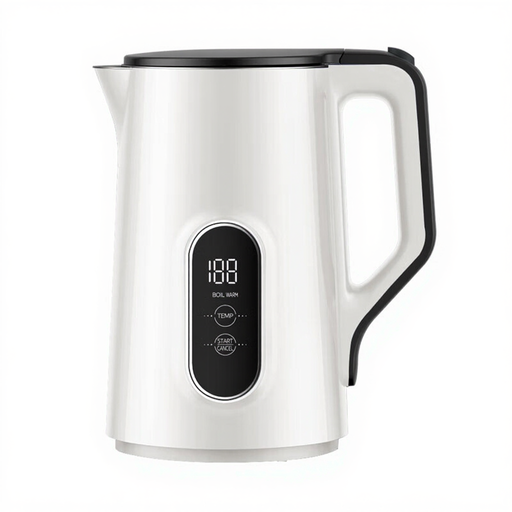
Why This Fits Their Persona: Ideal for users who need exact temperatures for different types of tea or coffee. The digital controls and clear display allow for precise preparation without any guesswork.
The temperature is precisely selectable from 45°C to 100°C, bypassing the pitfall of inaccurate sensors. According to the manufacturer, the interior, lid, and spout are made of 304 stainless steel, minimising contact with plastic. The double-wall construction serves as anti-scald protection.
Precise digital temperature control with 7 presets and a 1-hour keep-warm function. The real-time temperature display provides additional control.
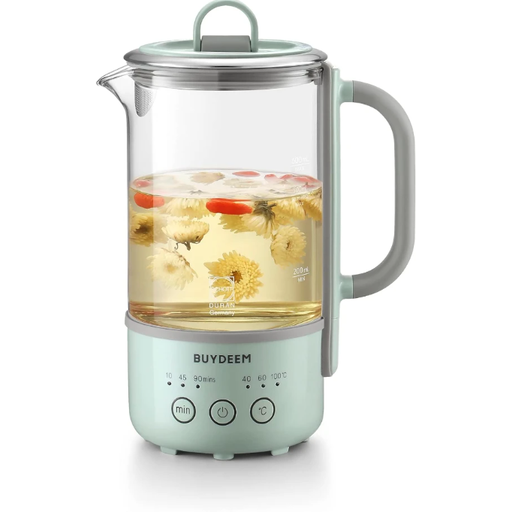
Why This Fits Their Persona: Perfect for those who value outstanding materials and an appealing design. Its compact size is suitable for smaller kitchens, the office, or travel.
This model avoids the material pitfall by using German Schott-Duran glass and 18/10 stainless steel. These high-quality, taste-neutral materials ensure the water remains pure.
A combination of premium materials (glass and stainless steel) and an award-winning design (iF DESIGN AWARD 2020). The automatic 8-hour keep-warm function is another useful feature.
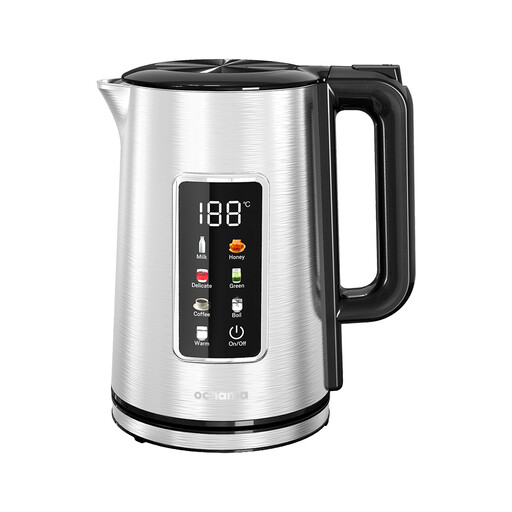
Why This Fits Their Persona: With a 1.7-litre capacity and fast heating time, this model is designed for a family's daily needs. The safety features are especially relevant here.
The double-wall stainless steel construction serves as effective anti-scald protection, addressing the safety pitfall. The colour display shows the real-time temperature, offering more control than basic models without a display.
Large 1.7L capacity, high 2100W power for rapid boiling, and a heat-insulating double wall for enhanced safety in a family environment.
We have compiled a complete, real-time list of products that fully meet these strict selection criteria and safety standards.
1. How often should you descale a variable temperature kettle? The frequency depends on the water hardness in your area. With hard water, it is advisable to descale the appliance every one to two months. Regular descaling not only ensures hygiene but also maintains the accuracy of the temperature sensor and the efficiency of the heating element.
2. Is a stainless steel or glass kettle better? Both materials are excellent choices and have specific advantages. Stainless steel is more robust, durable, and often better insulated (especially in double-wall models). Glass is completely taste-neutral and allows you to watch the boiling process, but it is more fragile and shows limescale buildup more clearly. The decision ultimately comes down to personal preference regarding durability and aesthetics.
3. Does a kettle with a keep-warm function use a lot of electricity? The energy consumption of the keep-warm function is low compared to the initial boiling process. The function only switches the heating element on briefly to maintain the temperature. However, if you regularly need a second cup within an hour, using this feature is more energy-efficient than completely re-boiling cold water.