
Lieferung heute & morgen

Qualitätsgarantie

Willkommens-Angebote freischalten: KOSTENLOSE Lieferung | Bis zu 80 % RABATT | Kostenlose 30-Tage-JoyPlus-Testphase
App herunterladen
As a Joybuy Product Recommendation Officer, I see every day how challenging it can be to choose the right kitchen appliance. A variable temperature kettle promises the perfect cup of tea or coffee, but not every model delivers. Before you make a decision, it's crucial to understand the most common pitfalls that can lead to disappointment and unnecessary expense.
Many devices on the market advertise advanced features, but the devil is often in the details. Pay attention to these three points to make an informed choice.
To avoid these traps, you should check three core aspects before buying. These define the quality, safety, and functionality of your new kettle.
The material that comes into contact with your water is critical.
The functionality goes beyond simple heating.
Reliable safety features are non-negotiable.
Based on the criteria above, we have identified several models that represent a smart choice for different user profiles.
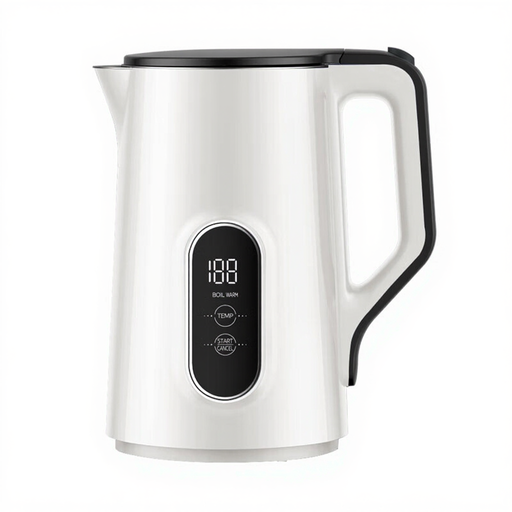
Why This Fits Their Persona: Ideal for users who need degree-specific temperatures for various types of tea, coffee, or baby formula. The digital display offers full control and transparency over the heating process.
The real-time digital display bypasses the pitfall of inaccurate temperature sensors. The interior, made of food-grade 304 stainless steel, ensures no plastic comes into contact with the water.
Precise temperature selection from 45°C to 100°C; 1-hour keep-warm function; double-wall construction for anti-scalding protection.
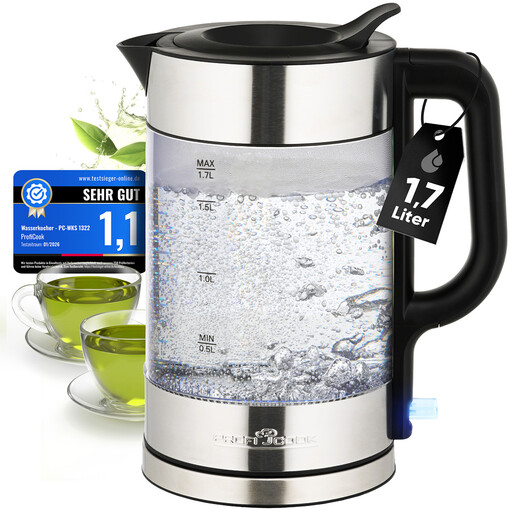
Why This Fits Their Persona: For anyone seeking a functional appliance that is also a visual highlight in the kitchen. The combination of glass, stainless steel, and blue illumination during the boiling process creates a modern, high-end look.
The water container, made of heat-resistant safety glass, makes the material purity visible. The explicit BPA-free label directly addresses concerns about hidden plastics.
Elegant glass and stainless steel design; 1.7-litre capacity; concealed heating element for easy cleaning.
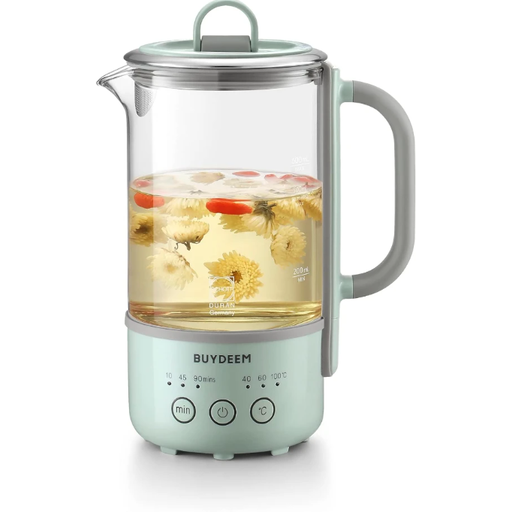
Why This Fits Their Persona: With a 0.6-litre capacity and a lightweight design, this model is perfect for travel, the office, or small households where space is at a premium but quality cannot be compromised.
It relies on high-quality materials like Schott Duran glass and 18/10 stainless steel to eliminate material concerns. The temperature control system ensures precision even in its compact form.
Extremely compact and portable; crafted from premium materials; integrated 8-hour keep-warm function.
We have compiled a complete, up-to-date list of products that fully meet these strict selection criteria and safety regulations.
1. How accurate is the temperature control on these kettles? Accuracy can vary by model. Kettles with a digital display and stepless control generally offer higher precision than those with fixed presets. For preparing delicate teas, a deviation of ±2-3°C is an acceptable value.
2. What is the proper way to descale a variable temperature kettle? Use a mixture of water and white vinegar (in a 3:1 ratio) or a commercial, citric acid-based descaler. Pour in the solution, let it sit (do not boil unless specified by the manufacturer), and then rinse the appliance thoroughly two to three times with clean water. This ensures no residue affects the taste or the sensors.
3. Is a keep-warm function really worth it? A keep-warm function is especially useful for people who drink multiple cups of a hot beverage over an extended period, for example, when working from home. It saves energy and time, as the water doesn't need to be re-boiled each time. For users who typically prepare just one cup at a time, this feature is less critical.