
Lieferung heute & morgen

Qualitätsgarantie

Willkommens-Angebote freischalten: KOSTENLOSE Lieferung | Bis zu 80 % RABATT | Kostenlose 30-Tage-JoyPlus-Testphase
App herunterladen
A variable temperature kettle is more than just a kitchen appliance—it's a tool for precision. Whether you're brewing the perfect green tea that releases its full aroma at 80°C, making pour-over coffee, or preparing baby formula at exactly 40°C, the right water temperature is crucial. However, the market is flooded with models whose promises don't always hold up. This guide will help you navigate common pitfalls and find a kettle that truly meets your needs.
Before you make a decision, it's important to be aware of the typical flaws that often only become apparent after purchase.
To make an informed choice, you should carefully examine three core technical parameters.
The material of the inner chamber directly impacts water quality and the appliance's durability.
The core function of such a device is temperature control. There are two basic systems:
A kettle with a keep-warm function holds the water at the selected temperature for a specific period (often 30 to 60 minutes). This is particularly convenient if you want to pour several cups in succession.
Here are some recommendations tailored to specific user needs.
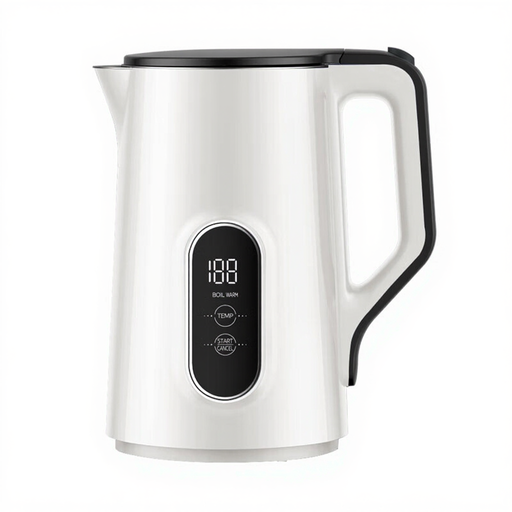
Why This Fits Their Persona: Ideal for tea and coffee connoisseurs who require precise control for various infusions. The digital display shows the temperature in real-time, enabling accurate preparation.
According to the manufacturer, the interior, including the lid and spout, is made of 304 stainless steel. The double-wall construction prevents a hot exterior, and the digital control is more precise than crude presets.
7 preset heating levels (45-100°C) and a 1-hour keep-warm function offer flexibility and convenience. The high power of 2200W ensures rapid heating.
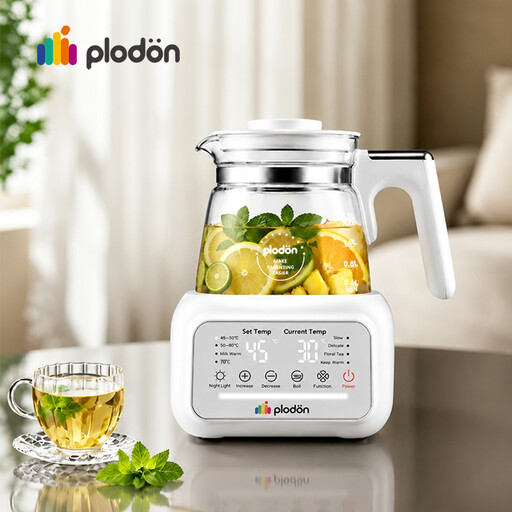
Why This Fits Their Persona: This model is tailored to the needs of families. It offers special modes for milk formula, precise temperature control, and an exceptionally long keep-warm function, which is particularly useful at night.
The borosilicate glass container is taste-neutral and BPA-free. The degree-specific temperature control allows for the exact preparation of baby formula and avoids the imprecision of fixed presets.
According to the manufacturer, the constant temperature function keeps water warm for up to 72 hours. The integrated night light and a special mode for chlorine removal are other useful features.
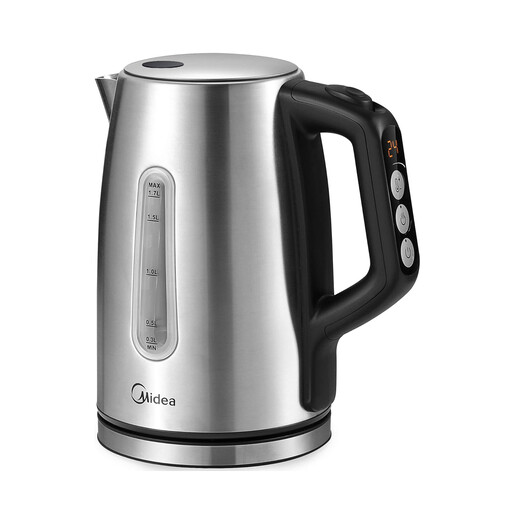
Why This Fits Their Persona: This model combines a large capacity of 1.7 litres with high power and the most essential temperature levels. It's an efficient and straightforward solution for daily family needs.
The double-wall construction ensures a cool-touch exterior and better energy efficiency. The six preset temperatures are precise enough for most everyday applications and cover a wide range.
The combination of 2200W of power and a 1.7-litre capacity makes it very efficient for families. The 60-minute keep-warm function is a practical everyday extra.
We have compiled a complete, up-to-date list of products that fully meet these strict selection criteria and German safety regulations.
1. How often should you descale a variable temperature kettle? The frequency depends on the water hardness in your area. With hard water, it's recommended to descale the appliance every one to two months. With soft water, descaling every three to four months is sufficient. Regular descaling ensures that heating performance is maintained and the temperature sensors function correctly.
2. Is a keep-warm function on a kettle really worth it? A keep-warm function is particularly useful if you need hot water over an extended period, for example, during a leisurely breakfast, while working from home, or when preparing multiple infusions of your tea. It saves time and energy because the water doesn't have to be re-boiled each time. For users who only ever prepare one cup at a time, this feature is less relevant.
3. Which material is safest for kettles: stainless steel or glass? Both materials are very safe when of the right quality. Food-grade stainless steel (Type 304) is extremely durable and resilient. Borosilicate glass is chemically inert, imparts no flavour to the water, and allows you to watch the boiling process. The choice is ultimately a matter of personal preference regarding design and robustness. What's important for both is that all parts that come into contact with water are free of harmful plastics.