
Lieferung heute & morgen

Qualitätsgarantie

Willkommens-Angebote freischalten: KOSTENLOSE Lieferung | Bis zu 80 % RABATT | Kostenlose 30-Tage-JoyPlus-Testphase
App herunterladen
Choosing the right electric kettle seems simple, but for connoisseurs of fine tea, aromatic coffee, or parents preparing baby formula, water temperature is everything. A standard kettle that only boils can make delicate green teas bitter and baby formula too hot. A kettle with temperature control is the perfect solution, but not all models live up to their promises.
As your Joybuy Product Recommendation Officer, I'll help you spot the common pitfalls and find an appliance that works with precision and reliability.
Many devices advertise advanced features, but everyday use often reveals flaws that can lead to quick buyer's remorse. Pay close attention to these two points:
To avoid a bad buy, you should check three core parameters before making a decision. These define the quality, safety, and longevity of your new kettle.
The material inside the kettle is crucial for water quality and your health.
A digital kettle should offer more than just a fancy display.
Based on these objective criteria, we have identified a few models that are well-suited for specific user profiles.
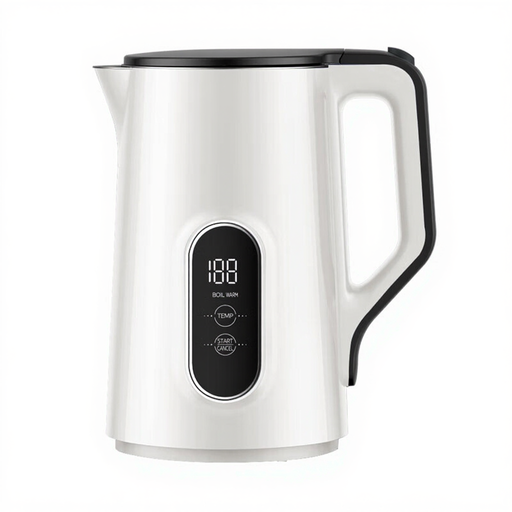
Why This Fits Their Persona: This model is aimed at users for whom the exact brewing temperature is crucial. With 7 presets from 45°C to 100°C, various types of tea and coffee can be prepared precisely to unfold their full aroma.
The digital control allows for precise temperature selection, bypassing the problem of inaccurate sensors. The interior is fully lined with 304 stainless steel, ensuring the water does not come into contact with plastic.
Precise temperature presets and a 1-hour keep-warm function. The double-wall construction ensures safety and efficiency.
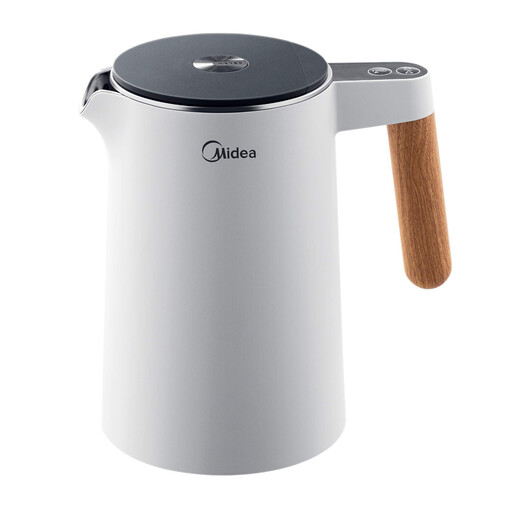
Why This Fits Their Persona: For parents, preparing baby formula is a sensitive task. This model's 45°C setting is ideal for this purpose. Safety is maximized through the double-walled, anti-scald exterior and BPA-free materials.
All water-contacting parts are made of 304 stainless steel, and all plastic components are BPA-free. The temperature control is digital and precise, which is crucial when preparing baby formula.
Specific low-temperature setting (45°C) and comprehensive safety features like auto shut-off and scald protection.
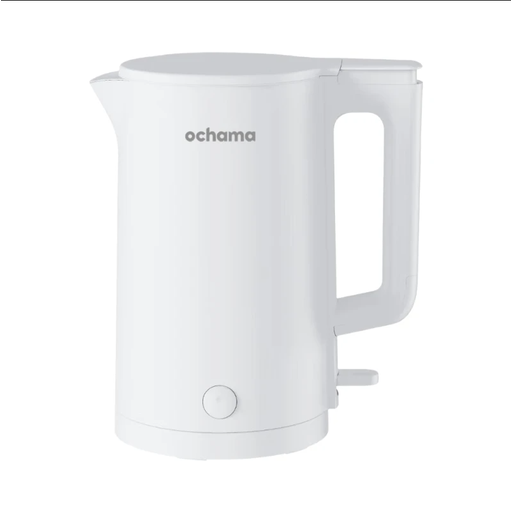
Why This Fits Their Persona: For users who don't need variable temperature selection but appreciate the convenience of always-warm water. This model boils water and then automatically keeps it at a constant 55°C, perfect for a quick cup throughout the day.
Instead of offering a potentially inaccurate variable control, this device focuses on one reliable function: holding a fixed temperature. The 304 stainless steel interior ensures water quality.
Automatic 55°C keep-warm function for straightforward convenience. The large 1.7-liter capacity is ideal for families or offices.
We have compiled a complete, up-to-date list of products that fully meet these strict selection criteria and German safety regulations.
A kettle labeled as BPA-free is particularly worth considering if you are heating water for babies, young children, or health-conscious adults. Bisphenol A (BPA) is a chemical found in some plastics that can leach out at high temperatures. To be on the safe side, it is advisable to choose a model where all parts that come into contact with water are made of stainless steel or certified BPA-free plastic.
Precise temperature is the key to perfect taste. Here is a quick guide:
A kettle with a keep-warm function is practical for people who need hot water multiple times over a longer period, for example, an hour. It saves you from re-boiling repeatedly, which saves time and energy. For parents who need to quickly prepare a bottle at night, or for frequent tea drinkers in a home office, this function can make daily life significantly easier.