
Lieferung heute & morgen

Qualitätsgarantie

Willkommens-Angebote freischalten: KOSTENLOSE Lieferung | Bis zu 80 % RABATT | Kostenlose 30-Tage-JoyPlus-Testphase
App herunterladen
A variable temperature kettle is more than just a kitchen appliance for heating water. For enthusiasts of green tea, pour-over coffee, or parents preparing baby formula, precise water temperature is critical for the final result. However, the market is flooded with models whose advertised features often fail to deliver in practice. Before making a purchase, it's crucial to understand the most common pitfalls to avoid a poor investment.
Many devices promise more than they can deliver. Pay close attention to these three points, which often lead to dissatisfaction:
To find the right electric tea maker or kettle, focus on these objective criteria that determine quality and functionality.
The materials used to manufacture the kettle are crucial for taste, health, and durability.
The core function of a variable temperature kettle is precise control. There are two main approaches:
The size and power should match your household's needs.
Based on these objective criteria, we have identified a few models that are well-suited for specific user profiles.
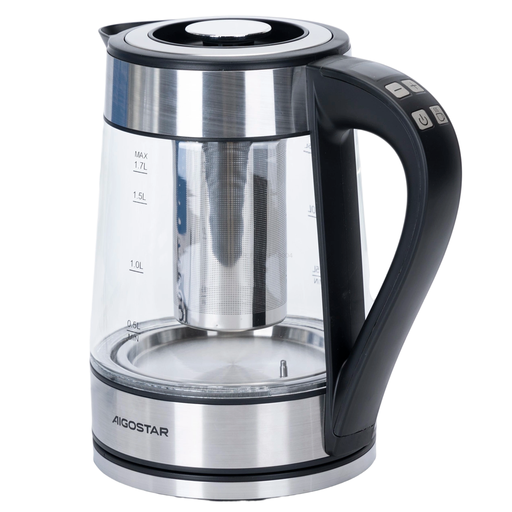
Why This Fits Their Persona: Ideal for families and discerning users who require precise control for various hot beverages. The 1.7-litre volume serves multiple people, while the versatile temperature settings cover everything from tea and coffee to preparing baby formula.
The 13-level temperature control and digital display showing the current water temperature offer transparent and accurate control, thus bypassing the pitfall of imprecise settings.
High precision through electronic control, a keep-warm function, and a memory function that saves the last setting. The removable filter simplifies cleaning.
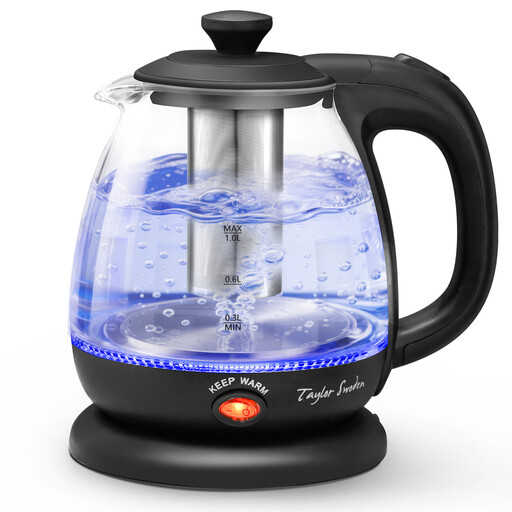
Why This Fits Their Persona: Perfect for tea lovers seeking a compact 2-in-1 solution for the office or single use. The integrated kettle with a tea infuser allows for brewing loose-leaf tea directly in the device.
This model doesn't promise single-degree control but delivers a reliable keep-warm function at 80–85°C—ideal for many types of tea. Its construction from borosilicate glass and a stainless steel tea infuser addresses the material quality issue.
Combines the functions of a kettle and a tea maker. The compact 1.0-litre design and rapid 3-minute heating time are perfect for a quick cup of tea.
We have compiled a complete, real-time list of products that fully satisfy these strict selection criteria and UK safety regulations.
1. How often should you descale a variable temperature kettle? The frequency of descaling depends on the water hardness in your area. With hard water, descaling every 1-2 months is recommended to maintain heating performance and extend the life of the appliance. Limescale buildup can also affect the temperature sensors, leading to inaccurate results.
2. Is a glass kettle better than a stainless steel one? Both materials have their advantages. A glass kettle allows you to watch the boiling process and easily spot limescale. It is completely taste-neutral. Stainless steel kettles are generally more robust and resistant to impact. The choice is often a matter of personal preference and kitchen design. With both, it's important to look for high-quality construction without unnecessary plastic parts inside.
3. Is a keep-warm function on a kettle worthwhile? A kettle with a keep-warm function is particularly useful if you need hot water at a specific temperature over an extended period. This is ideal for tea drinkers who make multiple infusions or for parents who want to keep water ready for baby formula. It saves you time and energy, as the water doesn't need to be constantly re-boiled.