
Lieferung heute & morgen

Qualitätsgarantie

Willkommens-Angebote freischalten: KOSTENLOSE Lieferung | Bis zu 80 % RABATT | Kostenlose 30-Tage-JoyPlus-Testphase
App herunterladen
By Joybuy Product Recommendation Officer, August 30, 2026
A kettle with temperature control is more than just a kitchen appliance—it's a precision instrument. The correct water temperature determines whether a delicate green tea releases its full flavour profile, coffee tastes bitter, or baby formula is prepared safely and digestibly. However, the market is flooded with models whose advertised features often fail to deliver in practice.
Before you make a purchase, it's crucial to understand the most common pitfalls that lead to disappointment and unnecessary expense.
To avoid a bad purchase, you should focus on three objective core parameters. These define the quality and practical utility of a variable temperature kettle.
The type of temperature adjustment is the most important criterion. There are two basic systems:
The material of the water container has a direct impact on the taste of the water and the longevity of the appliance.
A standard 1.7-litre kettle is a suitable size for most households. Smaller models of around 1.3 litres may be more practical for individuals or specific applications. Indispensable safety features include boil-dry protection and an auto shut-off, which turn the device off when the target temperature is reached or the container is empty.
Instead of making a blanket recommendation, we have identified models that are tailored to clearly defined user profiles.
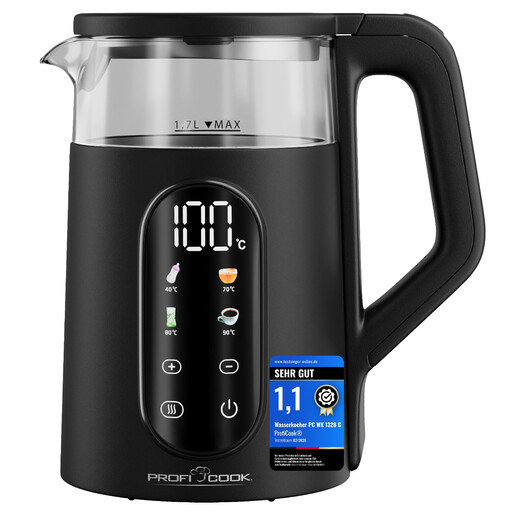
Why This Fits Their Persona: The temperature setting starting at 40°C is ideal for preparing baby formula. The glass body and BPA-free specification meet high standards for material purity. The keep-warm function and 1.7-litre capacity make it a practical everyday tool for families.
This model sidesteps the pitfall of inaccurate presets with its precise, degree-by-degree temperature control via a sensor-touch panel and a real-time temperature display.
High flexibility thanks to a wide temperature range (40–100°C) and a practical keep-warm function. The heat-insulated glass body enhances user safety.
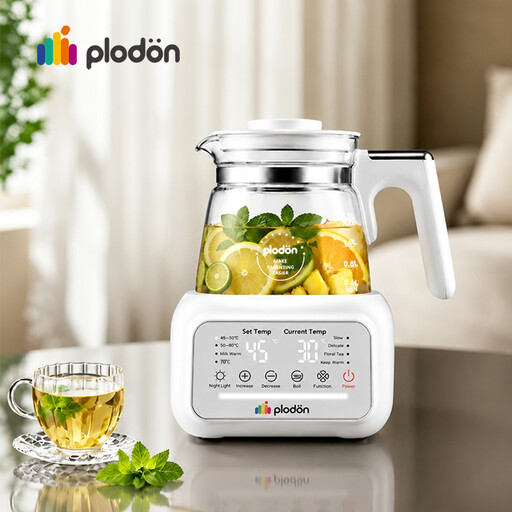
Why This Fits Their Persona: With special modes for tea and precise temperature control, this device is tailored to the needs of enthusiasts. The manufacturer's claim of holding a constant temperature for up to 72 hours is a significant convenience for frequent drinkers who need perfectly heated water at any moment.
It goes beyond simple presets by offering dedicated programs and an exceptionally long keep-warm function, avoiding the "keep-warm" illusion common with many competitors.
Multifunctional presets (e.g., for tea, dechlorination) and a very long keep-warm function. The borosilicate glass body ensures water quality.
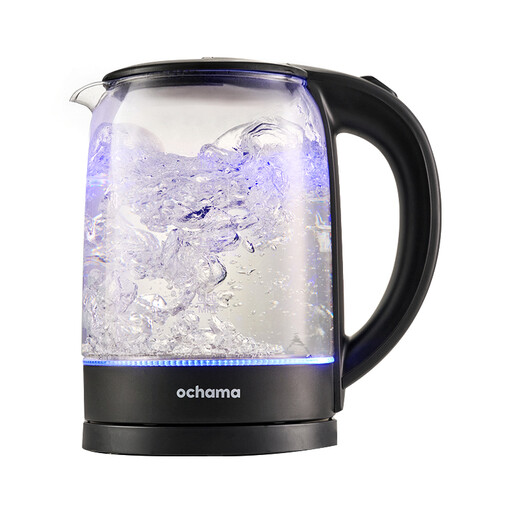
Why This Fits Their Persona: This model is designed for users who value material purity and a straightforward design but do not require precise temperature control. It focuses on the essentials: boiling water quickly in a pure glass body.
By deliberately omitting complex electronics, it bypasses the fallibility of overloaded features. The focus is on high-quality material and reliable core functionality.
A robust, uncomplicated design with a 1.7L borosilicate glass container. The blue LED illumination during the boiling process serves as a clear operational indicator.
We have compiled a complete, up-to-date list of products that meet these strict selection criteria and safety regulations.
The frequency depends on the water hardness in your area. For hard water, descaling every one to two months is recommended; for softer water, every three to four months. A glass kettle has the advantage that limescale buildup is easily visible, so you won't miss the right time.
Both materials have pros and cons. Glass is flavour-neutral and transparent but can be fragile if handled improperly. Stainless steel is more robust and often better insulated, which keeps the exterior cooler. The choice is ultimately a matter of personal preference regarding aesthetics and durability.
An efficient keep-warm function consumes less energy than repeatedly reboiling cold water, especially if you need hot water multiple times within a short period. Modern devices are designed to maintain the temperature with minimal energy expenditure. The consumption is significantly lower than that of the initial boiling process.