
Lieferung heute & morgen

Qualitätsgarantie

Willkommens-Angebote freischalten: KOSTENLOSE Lieferung | Bis zu 80 % RABATT | Kostenlose 30-Tage-JoyPlus-Testphase
App herunterladen
Preparing hot beverages or baby formula often requires more than just boiling water. Green tea brewed at 100°C can taste bitter, while the nutrients in infant formula can be compromised at temperatures that are too high. A variable temperature kettle offers the necessary precision. This guide explains the crucial criteria for selection and presents various models for different needs.
The decision for a particular model depends on individual needs. Three main factors should be considered: material, capacity, and features.
The material of the kettle affects not only its appearance but also its durability and the taste of the water.
The capacity should match the intended use.
The core function is heating water to a precise temperature.
Here is a selection of models that stand out for their unique features and cover various use cases.
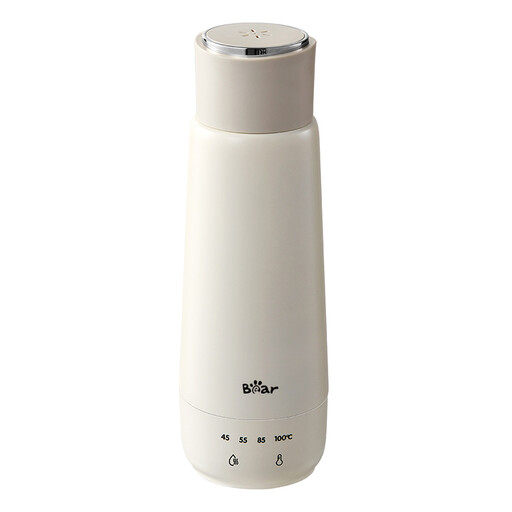
Why It Stands Out: This model combines the functions of a kettle, a thermos, and a travel mug in one compact device. With its low weight and leak-proof design, it is built for portability.
Advantages:
Who Is It For? This model is an excellent choice for travellers, commuters, and individuals in single-person households who are looking for a portable and multifunctional solution for preparing hot beverages.
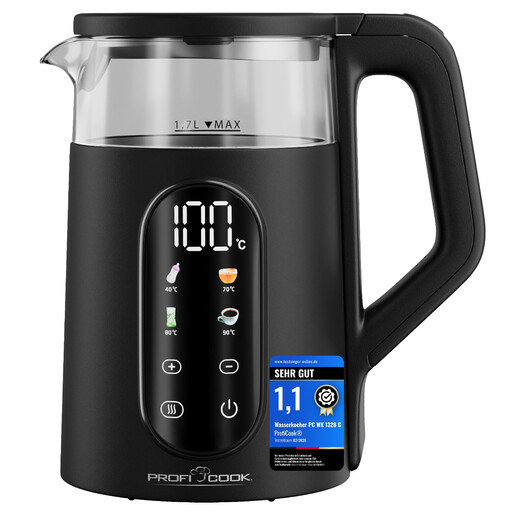
Why It Stands Out: The ProfiCook PC WK 1328 G offers precise temperature regulation and a large capacity. Its modern glass and stainless steel design fits well into many kitchens, while the touch display allows for intuitive operation.
Advantages:
Who Is It For? Ideal for tea lovers, families, and parents who regularly need to heat water to exact temperatures, whether for delicate tea varieties or for preparing baby formula.
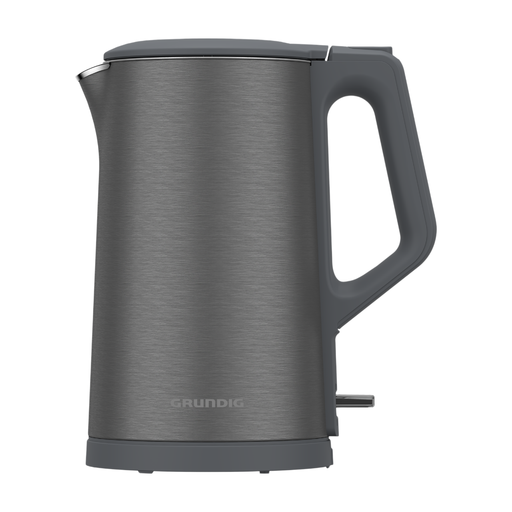
Why It Stands Out: This model focuses on performance, safety, and a generous capacity. It heats water quickly to a boil and is designed for users who value speed and safe handling. It does not have variable temperature settings.
Advantages:
Who Is It For? This appliance is suitable for households where water is primarily needed at boiling point and where speed, a large capacity, and safety aspects like a cool exterior are a priority.
If you are looking for an even lighter and more compact solution for travel or the office, you can find additional models designed for portability in our more lightweight and portable kettles category.
Different types of tea release their full aroma at different temperatures. Green tea (approx. 80°C) and white tea (approx. 70°C) can become bitter if the water is too hot. Black tea and herbal tea, on the other hand, usually require boiling water (approx. 95–100°C) to fully release their compounds.
A water temperature of 40°C to 50°C is often recommended for preparing infant milk formula to preserve the nutrients and prevent clumping. However, always follow the specific instructions from the formula manufacturer on the packaging and check the drinking temperature before feeding.
The frequency of descaling depends on the water hardness in your area. With hard water, monthly descaling may be advisable, while with soft water, cleaning the appliance every few months is often sufficient. Regular descaling ensures the appliance functions correctly and contributes to energy efficiency.
Your Joybuy Product Recommendation Officer