
Lieferung heute & morgen

Qualitätsgarantie

Willkommens-Angebote freischalten: KOSTENLOSE Lieferung | Bis zu 80 % RABATT | Kostenlose 30-Tage-JoyPlus-Testphase
App herunterladen
Rice noodles are a staple of Asian cuisine and are also enjoying growing popularity in the UK. Their versatility and naturally gluten-free nature make them an appealing ingredient for home cooks. However, the vast selection can be overwhelming and lead to mistakes when shopping. An unsuitable product can ruin the texture of a dish or fail to deliver the expected flavour. This guide will help you avoid the most common pitfalls and find the right rice noodles for your culinary project.
Navigating the selection of Asian noodles can be confusing. Many shoppers grab the wrong product because key distinguishing features are not always clearly marked on the packaging.
To ensure you buy the right rice noodles, you should check three core parameters. These will help you find the product that perfectly matches your cooking project.
The shape is the most important indicator of its intended use. There are three main types:
The ingredient list reveals the expected texture and flavour.
Most rice noodles are naturally gluten-free noodles because they are made from rice. However, for people with coeliac disease or a severe gluten intolerance, it is advisable to look for an explicit "gluten-free" certification on the packaging. This rules out cross-contamination during production.
Here are some recommendations tailored to different needs and dishes.
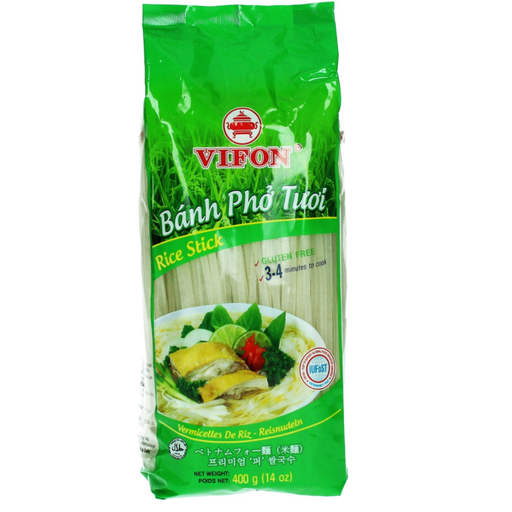
Why it's a great fit: Specifically developed for preparing Vietnam's national soup, Ph?. The texture mimics that of fresh noodles, ensuring an authentic dining experience.
The product is clearly labelled as a Ph? noodle, preventing you from buying an unsuitable type for this specific dish.
Certified gluten-free and divided into 8 convenient individual portions, making measuring easy.
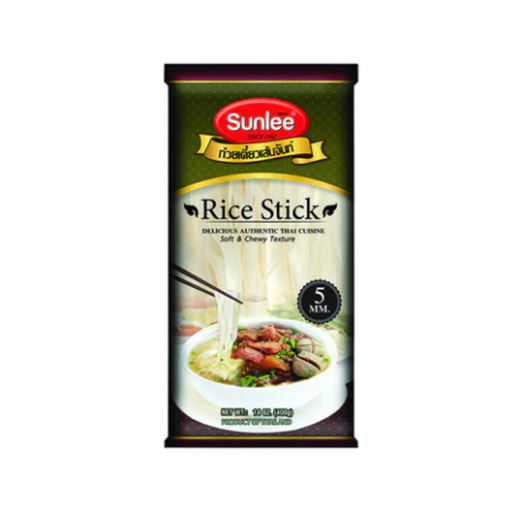
Why it's a great fit: These 5 mm wide rice sticks are a versatile all-rounder. They are sturdy enough for pan-fried dishes like Pad Thai, but also suitable for soups and salads.
The clear 5 mm width specification makes it a safe choice for stir-fries, preventing you from buying noodles that are too thin.
According to the manufacturer, the shape is designed to absorb sauces well. The product is gluten-free and vegan.
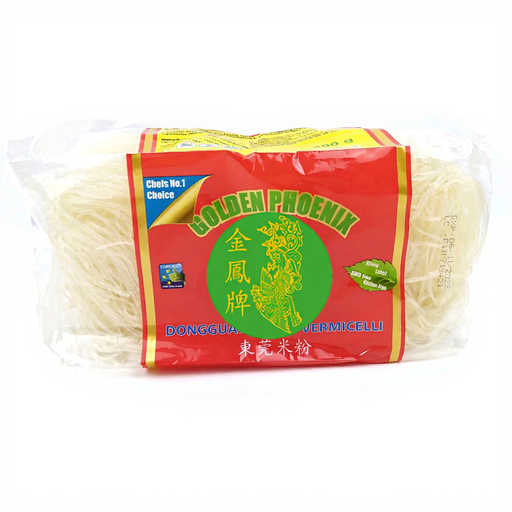
Why it's a great fit: For those who value a minimal ingredient list. These thin rice vermicelli are made exclusively from rice flour and water.
The transparent ingredient list of 100% rice flour and water prevents you from buying a product with unwanted added starches.
Very low in fat (0.6g) and sugar (0.5g) per 100g. Ideal for light dishes like soups or as a filling for spring rolls.
We've compiled a complete, up-to-date list of products that meet these strict selection criteria.
1. Do rice noodles always need to be soaked? Preparation depends on the thickness of the noodles and the intended dish. Very thin rice vermicelli often only need to steep for a few minutes in hot (not boiling) water. Thicker rice sticks are frequently first soaked in lukewarm water and then briefly boiled. For some soups, the noodles can also be added directly to the hot broth. It's always a good idea to check the preparation instructions on the package.
2. How do I prevent rice noodles from sticking together after cooking? The key is to rinse them. Immediately after draining, rinse the noodles thoroughly under cold water. This stops the cooking process and removes excess starch, which is responsible for the sticking. Tossing them in a small amount of neutral vegetable oil afterwards will also help keep the noodles separated.
3. Are all rice-based Asian noodles gluten-free? Rice noodles made exclusively from rice and water are naturally gluten-free. Nevertheless, caution is advised. Some products may be produced in facilities that also process wheat, which can lead to cross-contamination. People with coeliac disease should therefore specifically look for products with an official "gluten-free" seal to be on the safe side.