
Lieferung heute & morgen

Qualitätsgarantie

Willkommens-Angebote freischalten: KOSTENLOSE Lieferung | Bis zu 80 % RABATT | Kostenlose 30-Tage-JoyPlus-Testphase
App herunterladen
Finding the right vegan chocolate can be more complex than it first appears. Many products that seem suitable at first glance contain animal-derived ingredients upon closer inspection. Terms like "dark chocolate" or "lactose-free" are not automatic guarantees of a purely plant-based recipe.
This article is designed to provide clarity. We will explain what to look for when making your selection and present a range of products that cater to different dietary requirements. Our goal is to offer you an informed basis for your purchasing decision.
To ensure a chocolate meets your requirements, there are a few key points to check on the label.
The most crucial step is to review the ingredients. Not all dark chocolate is vegan. Watch out for ingredients such as:
A lactose-free chocolate is not necessarily vegan. It may contain milk proteins where only the milk sugar (lactose) has been removed or broken down. By definition, a vegan chocolate is free from all animal products and is therefore also lactose-free.
A high cocoa content is often an indicator of a vegan recipe, as it leaves less room for other additives like milk. Chocolates with 70% cocoa or more are more frequently vegan. However, this is not a guarantee. Some manufacturers add small amounts of milk fats even to high-cocoa-content chocolate to influence the texture.
If you have additional requirements, the selection becomes more specific.
The following product selection considers various criteria, from purely vegan recipes to options for special dietary needs.
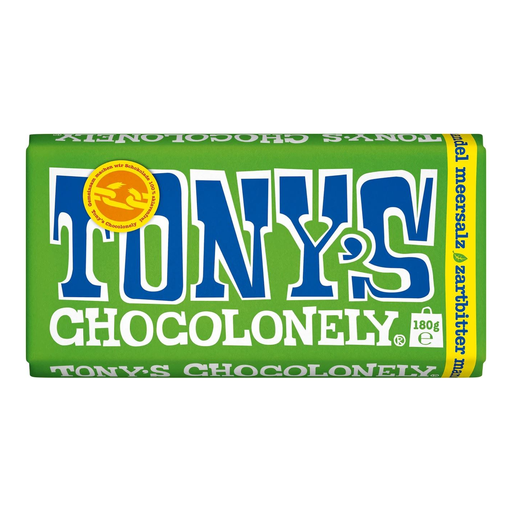
Why It Stands Out This bar combines dark chocolate with crunchy almonds and a pinch of sea salt. With 51% cocoa content, it offers a balanced flavour profile. The product is explicitly labelled as vegan, which eliminates any uncertainty during selection. The chocolate, almond, and sea salt combination is a popular classic.
Benefits
Who It's For For those looking for a clearly labelled vegan chocolate with a proven flavour combination of sweet, salty, and nutty.

Important Note: This product is not vegan. According to the ingredient list, it contains whole milk powder.
Why It Stands Out This chocolate is aimed at consumers who want to avoid added sugar. The sweetener maltitol is used instead of sugar. The cocoa content is at least 55%. It is a good example of why the terms chocolate with no added sugar or "dark chocolate" do not automatically mean "vegan."
Benefits
Who It's For For individuals following a sugar-reduced diet but not a vegan one. It is also an option for people with gluten intolerance.
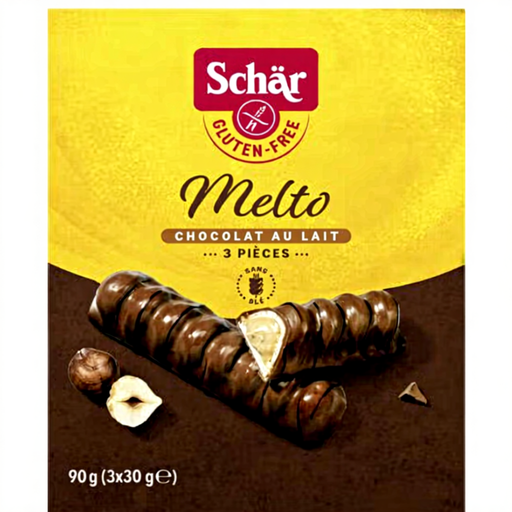
Important Note: This product is not vegan. The recipe contains several milk components, including lactose, whey powder, and whole milk powder.
Why It Stands Out The focus of this product is clearly on being a gluten-free chocolate. The bar consists of a crispy, gluten-free wafer filled with hazelnut cream and coated in chocolate. It is specifically developed for the needs of people with coeliac disease or gluten sensitivity.
Benefits
Who It's For This product is primarily intended for consumers with a gluten intolerance who are looking for a chocolatey snack and do not have vegan requirements.
This selection represents only a small fraction of the available products. Every taste and dietary need is individual.
For a wider selection of sweet options, explore our Chocolate Dessert Bars category.
No, this is a common misconception. Although many varieties with a high cocoa content are made without animal products, some manufacturers add milk fat (butterfat) or milk powder to optimise the melting properties or taste. A look at the ingredient list is therefore essential.
Lactose-free chocolate is designed for people with lactose intolerance. It can still contain milk proteins like casein or whey, as only the milk sugar has been removed. Vegan chocolate, on the other hand, is completely free of animal-derived ingredients, including all dairy products, and is therefore naturally lactose-free.
Even with products labelled as vegan, allergy sufferers should pay attention to the "May contain traces of milk, nuts, gluten, etc." warning. This advisory notice means that the product is manufactured in a facility where non-vegan or allergenic products are also processed. For people with severe allergies, this is crucial information for assessing the risk of cross-contamination.