Households that use dried fruit regularly
If you often use dried fruit for breakfast, baking or snacks, you can choose a pack size based on how much you actually use.


A larger pack is a good choice for stocking up on vegan dried fruit if you regularly use that particular fruit. First, check the ingredients, allergen information and, where relevant, sulphur labelling. Then consider pack size and how you plan to use it to decide whether a single fruit or a mix is a better fit for your household.
If you often use dried fruit for breakfast, baking or snacks, you can choose a pack size based on how much you actually use.
As well as checking that a product is labelled vegan, they need to read the full ingredients list, allergen information and any warnings about possible cross-contamination.
For example, you might specifically be looking for unsulphured dried fruit or a single fruit rather than a mix. Check the details on each pack accordingly.
First, decide which fruits and ingredients are right for your household. Then choose an amount that suits how you plan to use the product, whether as a snack or an ingredient.
| What matters | What to check when buying | Who it matters to |
|---|---|---|
| Choosing the right quantity | Compare the pack weight and best-before date with how much you expect to use. | If the same fruit regularly features in your meals, you’ll want to use as much of your supply as possible. Around 31% of shoppers put this need first. |
| Vegan ingredients and allergens | Read the ingredients list and allergen labelling, as well as any warnings about sulphites or possible cross-contamination, if relevant. | If you have strict requirements for ingredients or traces, the specific pack needs to meet them. Around 31% of shoppers say this is their top priority. |
| Fruit and processing | Compare the type of fruit, ingredients such as added sugar, and information about sulphur treatment. | If you’re looking for a particular fruit or a product made without ingredients you want to avoid, you won’t want to buy just any mix. This is the main consideration for around 25% of shoppers. |
| Snacks and recipes | Check whether it’s a single fruit or a mix, the pack size and storage instructions after opening. | If you want to use a pack for both snacks and recipes, choosing one that suits both uses matters more than buying the largest quantity possible. Around 13% of shoppers prioritise this flexibility. |
Dates, prunes, sultanas and fruit mixes differ in their composition and how you can use them. Even products made from the same type of fruit can vary in added ingredients and sulphur treatment.
Compare the ingredients in similar varieties and decide which fruit you actually want to use.
A vegan recipe doesn’t rule out allergens or possible cross-contamination. For example, Seeberger labels its vegan fruit mix with a warning about possible cross-contamination.
If you have specific requirements, check the allergen labelling and all trace warnings on the particular pack.
A bulk pack is only a good choice if you use that particular fruit regularly and can follow the storage instructions.
Choose a size based on how you usually use it. A smaller pack may be more practical for occasional recipes.
If you have a large amount left after opening, you’ll need to store it, and it may lose quality over time.
Water is removed when fruit is dried. That means you can’t compare the nutritional information for dried fruit directly with that for the same amount of fresh fruit.
Check the sugar and other nutritional values per 100 g on the pack, and serve a portion that suits how you plan to use it.
These examples can help you check the type of fruit, pack size and labelling. They aren’t intended to make a statement about every product from each brand.
Seeberger offers individual dried fruits and mixes, with different pack sizes available for several varieties.
One specific single-fruit option is the 500-g pack of FARMER NATURALS dried prunes listed by ALDI SÜD.
Lidl’s Alesto range includes dried fruit as well as nut and snack products.
EDEKA explains labelling and the differences in sulphur treatment for dried fruit.
This selection features individual dried fruits in 500 g or 1 kg packs. Check the ingredients and labelling for each product to decide whether it’s suitable for your vegan shop.
 Image unavailable
This 500-g pack may suit households that use jujubes regularly. Check the ingredients and product labelling, as well as the storage instructions for after opening.
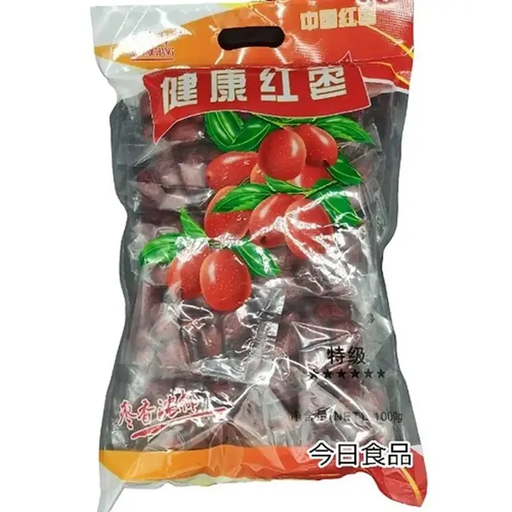 Image unavailable
This 1-kg pack is for households looking to use red dates in this quantity. Make sure the amount suits how much you use, and check the ingredients, allergen information and storage instructions on the pack.
 Image unavailable
This 500-g pack is an option if you’re specifically looking for prunes to stock up on. Check the ingredients list and look out for any remaining stones or fragments when eating them.
 Image unavailable
This 500-g pack may suit a household that regularly uses Deglet Nour dates. Check the ingredients and nutritional information, and follow the storage instructions on the pack after opening.
No. Vegan labelling doesn’t tell you whether a product is suitable for specific allergies or trace requirements. The Federal Ministry of Agriculture, Food and Home Affairs explains the requirement to label common allergens. Also check the specific pack for any warnings about cross-contamination.
A larger pack is a good fit if you use that particular fruit regularly and can finish it while following the storage instructions. Compare the type of fruit and the ingredients, and check the best-before date and instructions for after opening.
In Germany, sulphur dioxide or sulphites must be labelled as an allergen at concentrations above 10 mg/kg or 10 mg/l, as explained by the Federal Ministry of Agriculture, Food and Home Affairs. If you want to avoid these substances, check the labelling on the specific pack rather than choosing by fruit type alone.
Use the nutritional information per 100 g and also read the ingredients list to distinguish sugar that occurs in the nutritional values from sugar added to the recipe. The fruit and processing can vary, so sugar content alone won’t tell you whether a product is right for how you plan to use it.