
当日/次日达

品质保障

开启新人专享福利: 全场免邮 | 低至 2 折 | 免费试用 30 天 JoyPlus 会员
下载 Joybuy
Finding a savory, high-protein, and plant-based snack can be a challenge. Vegetarian jerky, also known as plant-based jerky, promises to fill this gap. However, the market is diverse, and not every product delivers on its promise. As your Joybuy Product Recommendation Officer, I'll help you navigate common pitfalls and make an informed choice that suits your taste and standards.
Many consumers report similar disappointments with their purchases:
To avoid these issues, it's helpful to focus on a few objective criteria.
Before you decide on a product, you should check three core aspects. These will help you better assess the quality and suitability of a vegetarian jerky.
The product's foundation largely determines its texture and nutritional value. Most vegetarian jerkies are based on one of two main ingredients:
The choice between soy and wheat is often a matter of personal texture preference. When making your selection, also be mindful of any potential allergies or intolerances.
A look at the nutrition label is essential to ensure the snack fits your dietary goals. Focus on the following values per 100g:
The variety of flavors is enormous. Alongside familiar Western flavors like BBQ or Black Pepper, there is a growing selection of authentic Asian tastes. In particular, vegetarian Chinese snacks often offer complex profiles:
The choice of seasoning determines whether the snack merely satisfies a craving or provides a genuine flavor experience.
Based on the criteria above, we have compiled a few products for different preferences.
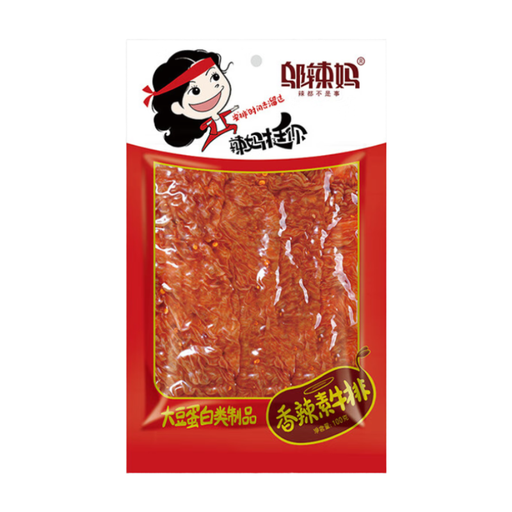
Why This Fits Their Persona: Ideal for those seeking the authentic, multi-layered flavor experience of Sichuan cuisine. The combination of chili and Sichuan pepper offers more than just heat—it delivers the characteristic tingling "Mala" sensation.
This product avoids the one-dimensional flavor trap with a complex seasoning of real Sichuan pepper that goes beyond mere saltiness or heat.
The chewy, meat-like texture from its soy base and the high protein content of 15g per 100g make it a satisfying snack.
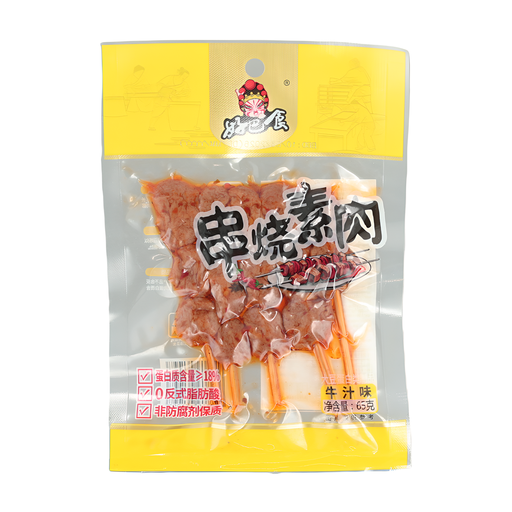
Why This Fits Their Persona: Perfect for athletes or anyone looking for a snack that not only tastes great but also makes a significant contribution to their daily protein intake. The wheat gluten base provides an extra-firm texture.
This product avoids the "nutrition gap" with an impressive 25g of protein per 100g, making it a true protein powerhouse.
The firm, tough texture of the wheat gluten offers a long-lasting chew. The savory "Beef Flavor" is robust without being overly salty.
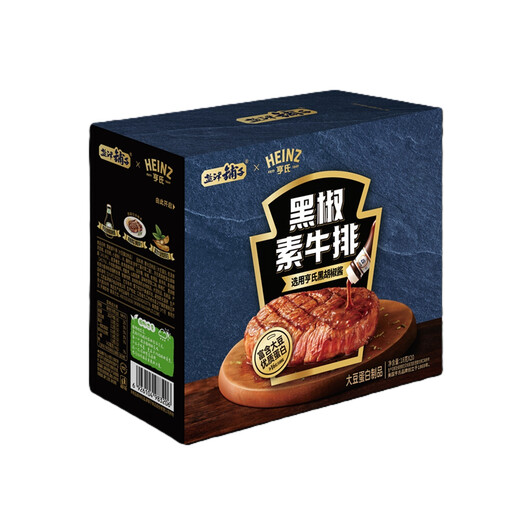
Why This Fits Their Persona: Anyone trying plant-based jerky for the first time will be well-served by this product. The familiar taste of black pepper is approachable, and the individually wrapped portions are convenient for on-the-go snacking.
The texture is deliberately declared as a "puffed soy product," which manages expectations of an extremely tough jerky. It offers a pleasant bite without being too hard.
The balanced pepper flavor is savory but not overpowering. With 16.7g of protein per 100g and a moderate sugar content, it's a solid all-rounder.
We've compiled a complete, up-to-date list of products that fully meet these strict selection criteria and all applicable regulations.
The main difference lies in the texture and mouthfeel. Soy-based jerky often has a more fibrous, chewier structure that many find more meat-like. Jerky made from wheat gluten (seitan) is typically denser and has a firmer, almost springy bite. Both are excellent sources of protein, so the choice is mostly a matter of personal preference.
Most unopened products can be stored at room temperature in a cool, dry place. However, once the package is opened, the snack should be consumed quickly. Some manufacturers recommend storing leftovers in the refrigerator to maintain freshness. Always check the instructions on the packaging.
No, that's a common misconception. While Sichuan cuisine is famous for its heat, Chinese snacks offer a wide range of flavors. Aromas like "Five Spice," "Savory," or cumin are aromatic and complex, but not necessarily spicy. It's worth reading the product description carefully to find the flavor profile you desire.