
Lieferung heute & morgen

Qualitätsgarantie

Willkommens-Angebote freischalten: KOSTENLOSE Lieferung | Bis zu 80 % RABATT | Kostenlose 30-Tage-JoyPlus-Testphase
App herunterladen
The search for a compelling vegan meat alternative can quickly become complicated. The market is constantly expanding, but not every product lives up to its packaging's promises. Many consumers report disappointments—from a rubbery texture to an unexpectedly high sugar content. This guide will help you identify the key features and make an informed choice that suits your taste and lifestyle.
Before you decide on a product, it's helpful to know the most common issues that can arise with ready-to-eat meat alternatives.
To avoid these pitfalls, focus on three objective criteria. These will help you evaluate a product's quality and suitability factually.
The base of the meat substitute largely determines the final product's characteristics.
Pay attention to the declared protein content per 100g. A value over 15g per 100g indicates a high-protein snack.
A quick look at the back of the package provides crucial information. Check the order of the ingredients—what is listed first is present in the largest quantity. Pay special attention to the sugar and salt (sodium) content to avoid unwanted surprises. A short, understandable ingredient list is often an indicator of a less processed product.
Clarify the planned use before buying. Are you looking for a ready-to-eat, savory vegan snack for on the go, like vegan jerky or seasoned soy steaks? Or do you need an ingredient for hot dishes like curries, stir-fries, or soups? Products marked as "ready to eat" offer maximum convenience, while others only develop their full texture and flavour when heated.
Here are some recommendations tailored to different needs and preferences.
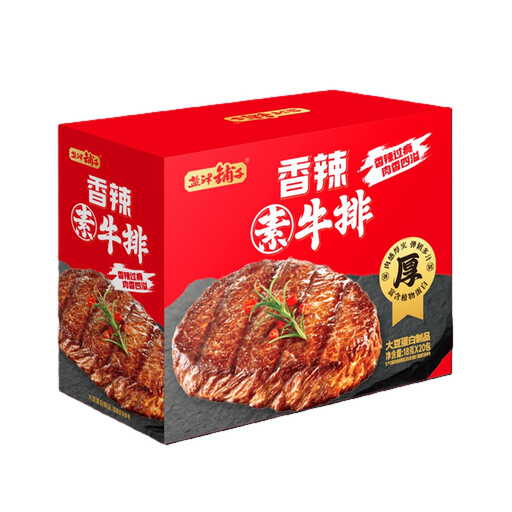
Why This Fits Their Persona: Ideal for those who appreciate the bold and complex spices of Asian cuisine. The spicy kick from Pixian bean paste and chili offers an authentic taste experience that goes far beyond standard flavours. The individual packaging makes it a perfect on-the-go companion.
The product describes its base as "Puffed soybean products" and specifies the spice sources precisely. This sets clear expectations for texture and flavour, avoiding vague "meat-like" promises.
Good protein content (17.2g/100g) and convenient, hygienic single-serving packs (18g).
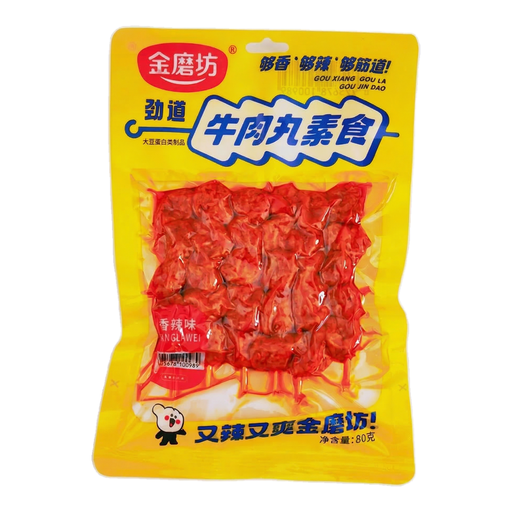
Why This Fits Their Persona: For health-conscious individuals who prioritise protein content. With 28.2g of protein per 100g, this product is an excellent choice for supplementing a high-protein diet, either as a snack or as an ingredient in soups and stir-fries.
The nutritional information is clear and highlights the high protein content. This allows for a conscious decision, preventing you from falling into the trap of a supposedly healthy but low-nutrient snack.
Very high protein content (28.2g/100g) based on wheat gluten (seitan) and soy. Firm, chewy texture.
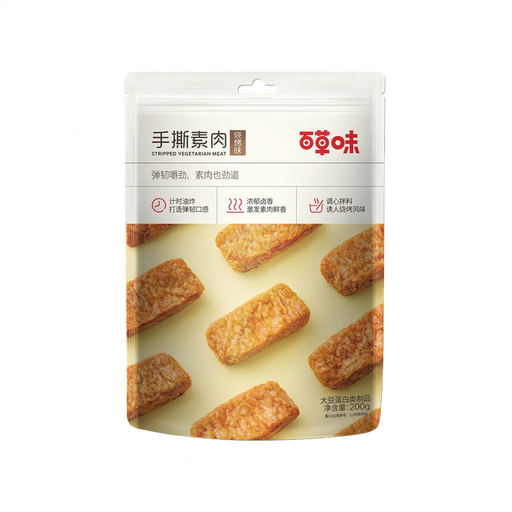
Why This Fits Their Persona: Perfect for flexitarians and those new to veganism who are looking for a familiar taste. The barbecue flavour is widely known and popular, and the "hand-torn" texture is reminiscent of pulled pork, making it an easy entry point.
Instead of a vague "meat texture," the product promises a specific "pulled texture" (fibrous texture). Combined with the clear BBQ flavour profile, this manages expectations precisely.
Approachable barbecue flavour and a tender, fibrous texture. Good protein content (15g/100g).
We have compiled a complete, up-to-date list of products that fully meet these strict selection criteria and current regulations.
1. How should I store vegan meat alternatives after opening? Most ready-to-eat snacks should be stored in a cool, dry place and consumed quickly after opening to preserve their freshness and texture. Some products, especially those in larger packages, should be kept in an airtight container in the refrigerator. Always follow the storage instructions on the packaging.
2. Are all vegan meat snacks automatically high in protein? No, not necessarily. The protein content can vary greatly depending on the main ingredient and recipe. Products based on seitan or soy protein isolate tend to have a higher protein content than those based on vegetables or grain flours. Therefore, a quick look at the nutrition label is always recommended.
3. What is the fundamental difference between soy-based and seitan-based meat alternatives? The main difference lies in the base ingredient and the resulting texture. Soy-based meat alternatives are made from soybeans and often have a softer, more fibrous, or spongy structure. Seitan is made from wheat gluten, the protein in wheat. It is known for its very firm, dense, and distinctly chewy consistency, which is often perceived as being particularly "meat-like."