
Lieferung heute & morgen

Qualitätsgarantie

Willkommens-Angebote freischalten: KOSTENLOSE Lieferung | Bis zu 80 % RABATT | Kostenlose 30-Tage-JoyPlus-Testphase
App herunterladen
Finding a compelling vegan meat substitute can be a complex task. The market is constantly expanding, but not every product delivers on its promises. Many consumers report disappointments, from bland textures to misleading nutritional information. This guide will help you navigate common pitfalls and find products that excel in both taste and quality.
As a Joybuy Product Recommendation Officer, I analyse market information to provide you with objective and practical advice. The goal is to help you make informed decisions based on facts, not marketing hype.
Before choosing a product, it's helpful to know the three most common issues that can lead to a disappointing purchase:
To avoid disappointment, you should check three key features. These provide insight into texture, flavour, and intended use.
A product's foundation largely determines its characteristics. The three most common bases are soy, wheat, and konjac.
A look at the ingredient list reveals how a product is seasoned. While some manufacturers rely primarily on salt, sugar, and flavour enhancers, others use complex spice blends to create authentic aromas. Especially when searching for spicy vegan snacks or Chinese snacks, ingredients like Szechuan pepper, chilli oil, cumin, and star anise are indicators of an intense flavour experience. Flavour enhancers like monosodium glutamate (E621) or disodium 5'-ribonucleotide (E635) are found in many savoury snacks and contribute to the umami taste.
Check whether a product is ready-to-eat or designed for meal preparation. Individually wrapped skewers or vegan jerky are meant for direct consumption. Other products, such as vegetarian meatballs or unseasoned soy meat, need to be cooked, fried, or marinated to reach their full potential. This distinction helps to set the right expectations for the product.
Here are some recommendations tailored to different needs and preferences.

Why it's a great fit: Ideal for anyone looking for authentic and spicy Asian snacks online. The unique, firm-to-the-bite texture of konjac, combined with rich chilli oil, offers a flavour experience that stands out from conventional meat alternatives.
The product doesn't promise a vague "meat texture" but delivers the specific, elastic consistency of konjac. The flavour is intentionally intense and spicy, not a mild imitation.
Low-calorie base (konjac), ready-to-eat, and individually packaged for maximum convenience.
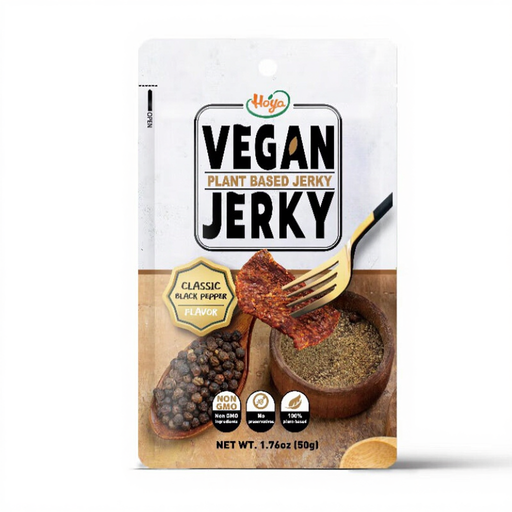
Why it's a great fit: An ideal high-protein vegan snack for on the go, after a workout, or at the office. The base of textured vegetable protein provides a chewy, satisfying consistency.
This product bypasses the nutritional trap by clearly fulfilling its purpose as a functional snack. The high protein content of 22g per 100g is transparently declared.
High protein content, a classic savoury flavour, and convenient packaging for an on-the-go lifestyle.
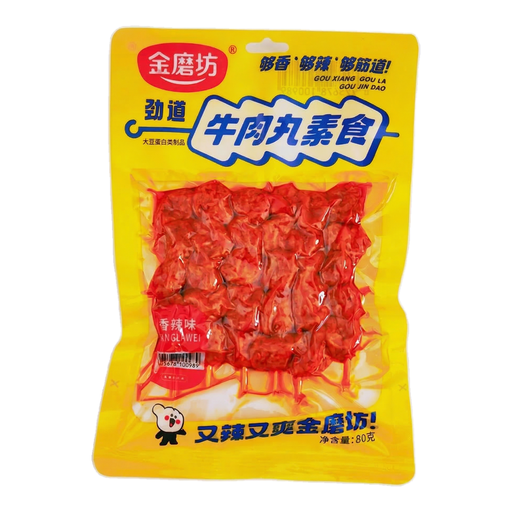
Why it's a great fit: A versatile ingredient for home cooks who want to add a plant-based protein source and an interesting texture to their Asian dishes like hot pot, noodle soups, or stir-fries.
This product avoids the pitfall of limited versatility. Its firm, wheat gluten-based texture remains stable even during prolonged cooking in broths or sauces and doesn't fall apart.
Firm, cook-stable texture that absorbs flavours well; versatile for use in soups, stews, and stir-fries.
We have curated a comprehensive selection of products that meet our criteria for texture, flavour, and quality. Discover more exciting alternatives.
1. What is the difference between soy-, wheat-, and konjac-based meat substitutes? The main difference lies in texture and nutritional value. Soy products often offer a fibrous, chewy consistency and are rich in protein. Wheat products (seitan) are very firm, dense, and also high in protein. Konjac products are characterised by a smooth, elastic texture and are very low in calories, but contain almost no protein.
2. How do I properly store opened vegan meat snacks? Most ready-to-eat and individually packaged snacks are intended for immediate consumption. If you have leftovers, it is advisable to store them in an airtight container in the refrigerator and consume them within a few days. Always follow the storage instructions on the product packaging.
3. Are spicy Asian vegan snacks very salty? Many savoury snacks, especially those from Asia, have a higher salt content, as salt acts as a flavour carrier and preservative. A look at the nutrition table per 100g will provide information on the exact salt content and help you make a conscious choice.