
Lieferung heute & morgen

Qualitätsgarantie

Willkommens-Angebote freischalten: KOSTENLOSE Lieferung | Bis zu 80 % RABATT | Kostenlose 30-Tage-JoyPlus-Testphase
App herunterladen
Anyone looking to buy a vegan milk alternative online will find a wide range to choose from: oat drinks, soya drinks, pea protein drinks, chocolate milk alternatives and specialist barista products differ considerably in taste, nutritional values, allergens and price. The right choice therefore depends on whether you mainly want to add the drink to coffee, cereal or a smoothie, or enjoy it by itself.
A plant-based milk substitute can contain sugar despite having a neutral taste. The nutritional table is what matters, particularly the figure for “of which sugars” per 100 millilitres. In flavoured varieties such as a chocolate milk alternative, this figure is often higher than in unsweetened products.
The statement “no added sugar” does not automatically mean that the product contains no sugar. In oat drinks, for example, carbohydrates and sugars can be produced during processing. If you are looking for a sugar-free milk alternative, you should therefore check the specific value in the table.
Not every plant-based drink can be frothed equally well. For cappuccino, latte macchiato or flat white, fat content, protein content and the recipe are just as important as taste. A barista milk alternative should remain as stable as possible when heated and produce a smooth, even foam.
A statement such as “suitable for coffee” does not replace checking the ingredients and directions for use. Results can also vary depending on the coffee machine, temperature and frothing method.
A milk alternative in a multipack can reduce the price per item, but it takes up storage space and should be used within the stated period. Before buying, it is worth comparing the price per litre, best-before date and consumption in your household. Opened packs should be refrigerated and used according to the instructions on the packaging.
Protein content varies significantly between plant-based drinks. Many classic oat drinks contain comparatively little protein, while products based on pea, fava bean or soya protein can provide higher levels.
For a vegan protein milk or high-protein plant milk, it is advisable to compare values per 100 millilitres. According to the product information, vly High Protein contains 5.0 grams of protein per 100 millilitres. That equates to 50 grams of protein per litre. This makes it an interesting option for shakes, smoothies or protein-focused meals, although it does not automatically replace a personally tailored diet.
Calcium is added to many plant-based drinks. The labelling should state the calcium content per 100 millilitres and, where applicable, the reference value. According to the product information, the vly Barista product contains 120 milligrams of calcium per 100 millilitres, while vly High Protein contains 60 milligrams. The values therefore cannot be applied universally to all plant-based drinks.
Additional nutrients such as vitamin D or B12 may also be included, depending on the product. However, they are not a reason to make general health claims. If you have specific dietary requirements, the ingredients and nutritional table for the particular product should always be the deciding factor.
If you are looking for a lactose-free milk alternative, you should also check for other allergens. “Vegan” does not automatically mean free from soya, gluten or nuts. According to the product information, the vly Barista Drink is listed as free from soya, lactose, gluten and nuts, and is based partly on pea protein.
By contrast, Alpro Not Mlk Full-Fat contains oats and may contain gluten-containing cereals, according to the product information. The chocolate version contains soya. If you have allergies or intolerances, always check the information on the packaging delivered, as recipes and labelling may be updated.
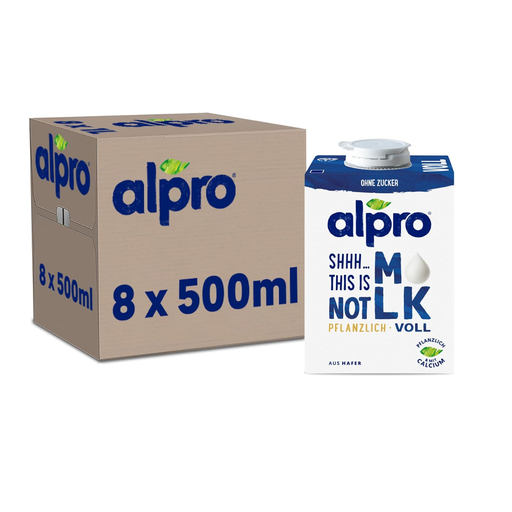
Why this product suits this profile: The pack of 8 × 500 millilitres is suitable for households looking for a creamy everyday option for cereal, coffee or drinking straight from the carton.
The product information states that no sugar has been added, while also highlighting the oat content and the possible presence of gluten-containing cereals. This makes it easier to match expectations with allergy requirements.
According to the product data, 0 grams of sugar per 100 millilitres, 3.5 grams of fat and vitamin D2. The pack size is designed for regular consumption.
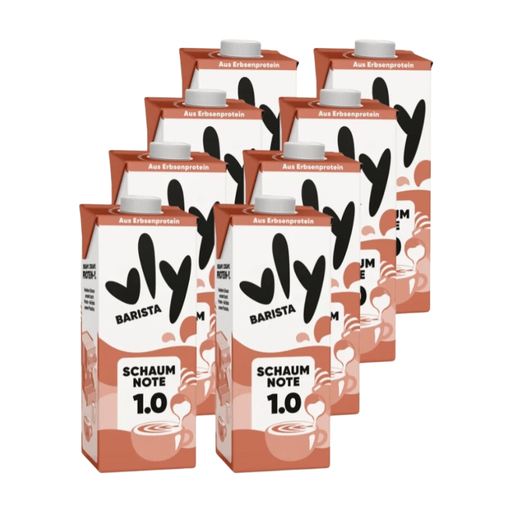
Why this product suits this profile: This drink is designed for coffee, matcha and tea. The 8 × 1-litre pack suits households that regularly enjoy hot drinks.
The product description gives specific information about allergens, nutritional values and uses. With 2.0 grams of protein and 1.4 grams of sugar per 100 millilitres, the drink can be assessed objectively.
According to the product information, 120 milligrams of calcium per 100 millilitres, as well as added vitamins D3 and B12. The drink is listed as free from soya, lactose, gluten and nuts.
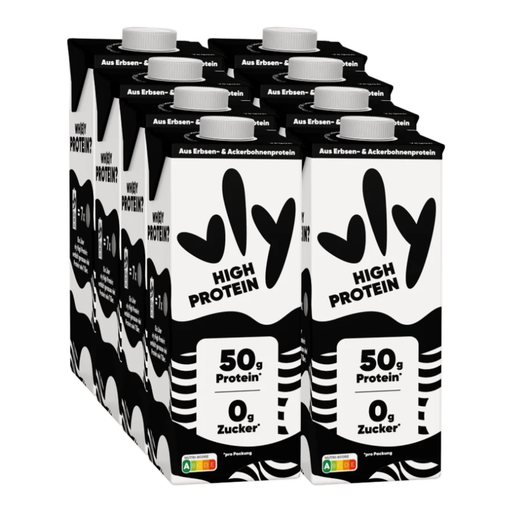
Why this product suits this profile: With 5.0 grams of protein per 100 millilitres, this vegan protein milk is intended for smoothies, porridge and shakes, and is aimed at people with an active lifestyle.
The protein content is stated per 100 millilitres, rather than appearing only as a marketing claim on the front. The table also lists 0 grams of sugar and 2.2 grams of fibre per 100 millilitres.
According to the product information, 50 grams of protein per litre, as well as added vitamins B12 and D3. The base of fava bean and pea protein is free from the listed allergens.
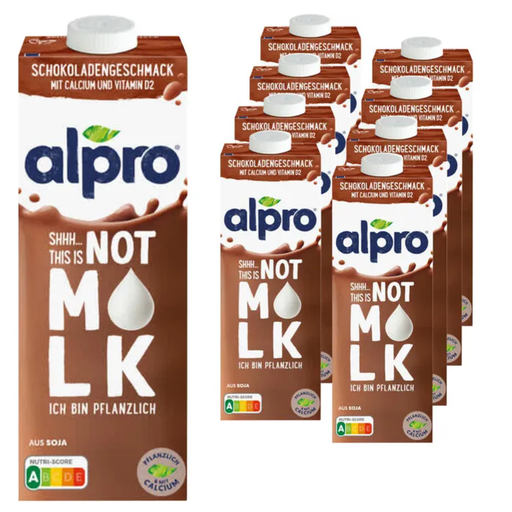
Why this product suits this profile: This chocolate milk alternative is intended to be enjoyed chilled or warm, with cereal, in baking and in desserts. The 8 × 1-litre pack is suitable for regular use.
The flavour is not confused with a low sugar content: according to the nutritional information, this variety contains 7.0 grams of sugar per 100 millilitres. This keeps the purchasing decision transparent.
According to the product information, 3.1 grams of protein and 120 milligrams of calcium per 100 millilitres. It contains soya and 1.7 per cent low-fat cocoa powder.
We have put together a complete, regularly updated list of products that fully meet these strict selection criteria and the safety regulations applicable in the EU.
Specially labelled barista products are worth considering for coffee. According to the product information, vly No Milk Today Barista is described as suitable for cappuccino, latte and flat white. Taste, foam formation and temperature stability can vary depending on how it is prepared.
According to the product information, vly High Protein contains 5.0 grams of protein per 100 millilitres. Within the selection featured here, this places it among the varieties with a higher protein content. The nutritional table for the specific product remains the deciding factor.
After opening, plant-based drinks should be refrigerated and consumed within the period stated on the packaging. Unopened packs should be stored in a cool, dry place, depending on the product. The specific information on the label takes precedence.