
Lieferung heute & morgen

Qualitätsgarantie

Willkommens-Angebote freischalten: KOSTENLOSE Lieferung | Bis zu 80 % RABATT | Kostenlose 30-Tage-JoyPlus-Testphase
App herunterladen
Finding the right wine that meets both organic and vegan standards can be more complex than you might think. Many labels feature terms whose meanings aren't always clear. As your Joybuy Product Recommendation Officer, I'll help you identify the key features and make informed decisions, ensuring you find the perfect wine that aligns with your values and your palate.
When shopping for wine, unclear labels and marketing promises can lead to disappointment. Here are three common issues to watch out for:
To avoid making the wrong choice, focus on verifiable facts. These three parameters are crucial for ensuring the quality and suitability of your wine.
A vegan wine should be clearly declared as such. Look for official seals like the V-Label or an explicit statement from the producer on the label. The same applies to organic quality: the green EU organic logo guarantees that the grapes were grown without synthetic pesticides and fertilisers. These seals provide a reliable basis and protect you from vague claims.
The most important indicator of the flavour profile is the residual sugar classification:
The grape variety (e.g., Riesling, Primitivo, Chardonnay) and the region of origin (e.g., Rheinhessen, Apulia) provide further objective clues about the expected aroma.
A sustainable wine is defined by more than just its cultivation. Packaging and transport also play a role. An organic wine case, such as a 6-bottle carton, is often a smart choice. It reduces packaging waste per bottle and minimises transport emissions compared to multiple individual orders. Additionally, the price per bottle is typically more advantageous.
Here is a selection of wines tailored to specific needs and preferences.
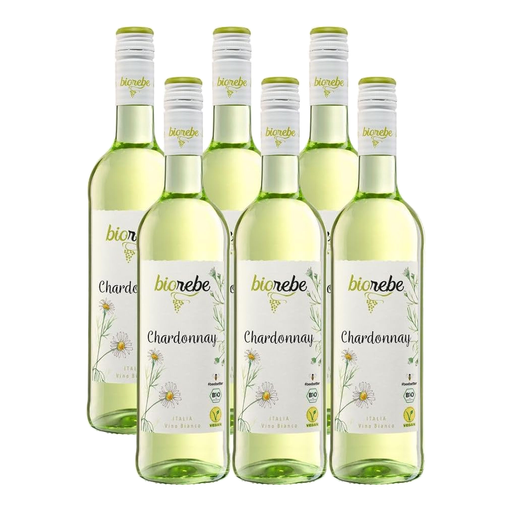
Why it's a great fit: Ideal for regular enjoyment or as an easy-drinking wine for guests. This Chardonnay offers reliable everyday quality without breaking the bank.
The clear "Organic" and "Vegan" labels, along with the "dry" classification, create transparency and eliminate uncertainty during selection.
Certified organic and vegan quality in a convenient 6-bottle value pack. An accessible vegan white wine for many occasions.
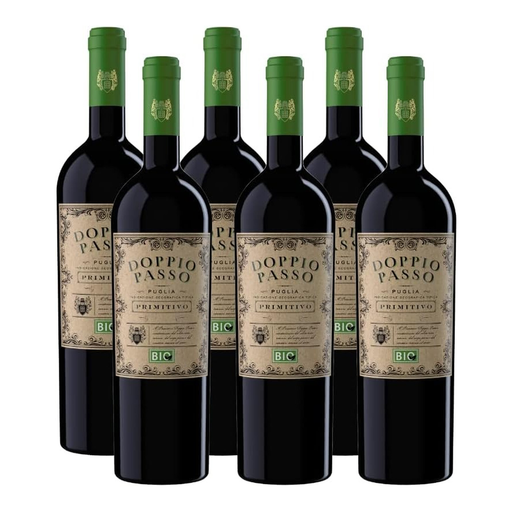
Why it's a great fit: For lovers of full-bodied, fruit-forward red wines. This Primitivo from Apulia pairs excellently with hearty dishes like pasta or dark meats.
The description of the "Doppio Passo" method (double harvest) factually explains the intense flavour, rather than just describing vague aromas. The EU organic certification secures its quality standard.
A characterful red wine with a traceable origin and production method. The semi-dry profile provides a full body with a delicate residual sweetness.
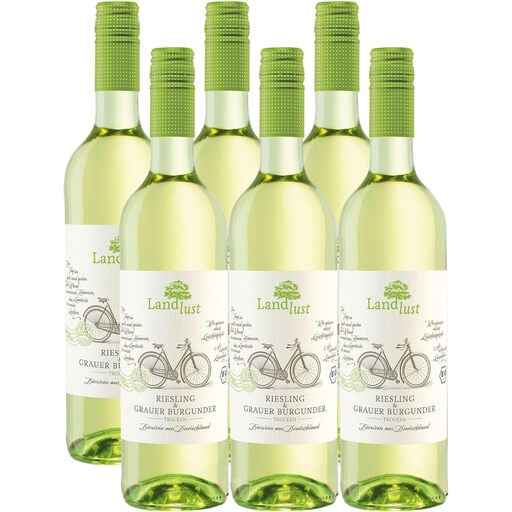
Why it's a great fit: For those who value regional products and appreciate the typical aromas of German grape varieties. This cuvée is a versatile companion to cheese, fish, or pasta.
The precise listing of grape varieties (Riesling, Pinot Gris) and origin (Germany) sets a clear taste expectation. The "dry" classification is an objective quality feature.
A combination of two popular German grape varieties, grown according to EU organic standards and produced vegan. It offers an authentic, regional taste experience.
We have compiled a complete, up-to-date list of products that fully meet these strict selection criteria and German regulations.
The surest way is to look for official certifications on the label, such as the V-Label. Alternatively, many producers include an explicit "vegan" declaration directly on the bottle. If these indicators are missing, it cannot be ruled out that animal-based fining agents like gelatin or casein were used during clarification.
An opened vegan organic wine behaves similarly to conventional wine. After opening, the bottle should be tightly resealed and stored in the refrigerator. White and rosé wines generally maintain their freshness for 3 to 5 days. Red wines, depending on their structure, can last for 3 to 6 days, though their flavour profile may change over time.
Yes, buying an organic wine case, for example in a 6-bottle carton, is more economical in most cases. The price per bottle is often lower than for individual purchases. At the same time, it is a more sustainable choice, as it reduces packaging material and transport effort per bottle, which aligns with the concept of conscious consumption of sustainable wine.