
Lieferung heute & morgen

Qualitätsgarantie

Willkommens-Angebote freischalten: KOSTENLOSE Lieferung | Bis zu 80 % RABATT | Kostenlose 30-Tage-JoyPlus-Testphase
App herunterladen
The demand for vegan organic wine is steadily growing, but the market can be overwhelming. Many wines marketed as sustainable or natural do not meet the criteria that health- and eco-conscious consumers expect. Before you buy vegan organic wine online, it's crucial to know the most common pitfalls to make an informed decision.
This guide will help you distinguish marketing hype from genuine quality markers and find the perfect wine for your taste and lifestyle.
sustainable wine is distinguished by transparent and certified production processes.To ensure your wine is both organic and vegan, you should check three core parameters. These will help you objectively assess its quality.
The most reliable method of identification is to look for two specific seals on the bottle label:
The origin and the grape variety used are decisive for the flavour profile. A German organic wine, for example, a dry Riesling from Rheinhessen, often offers crisp acidity and mineral notes. An Italian organic wine like a Primitivo from Apulia is typically more fruit-forward, softer, and fuller-bodied. Whether you prefer a vegan organic red wine or a vegan organic white wine, the information on the region and grape variety gives you a clear idea of the expected taste. A dry vegan wine is a common and versatile choice.
Pay attention to the information on alcohol content and taste profile (e.g., dry, semi-dry). This information is standardised and provides a reliable indication of the wine's style. For special occasions or a mindful lifestyle, there is also a growing selection of high-quality non-alcoholic organic wine, which is dealcoholised using gentle processes that preserve its varietal-specific aroma.
Instead of a one-size-fits-all recommendation, we present wines tailored to specific needs and preferences.
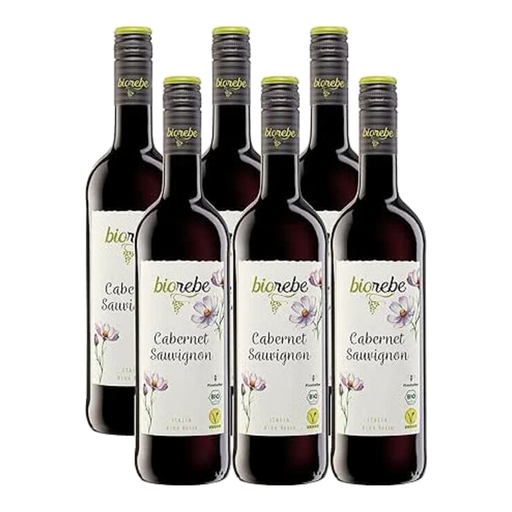
Why This Fits Their Persona: Ideal for anyone looking for a straightforward and reliable vegan organic red wine for everyday enjoyment. The convenient 6-pack offers excellent value for money and is perfect for stocking up.
This wine is explicitly declared as "Organic" and "Vegan" and carries the corresponding certifications. This eliminates the risk of confusion between organic farming and vegan production from the outset.
A dry, single-varietal Cabernet Sauvignon from Italy. Delivery as a vegan organic wine case is practical and cost-effective.
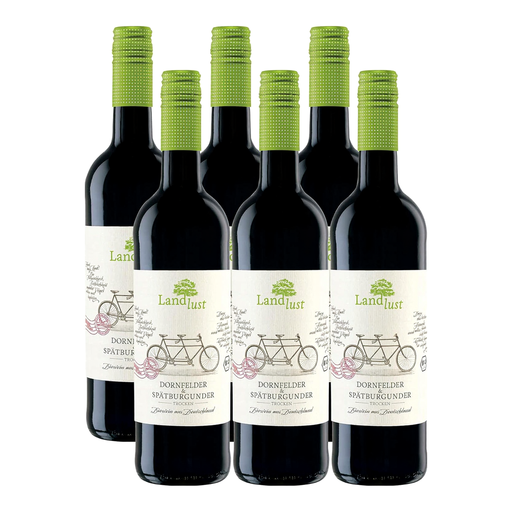
Why This Fits Their Persona: Perfect for wine lovers specifically seeking a high-quality German organic wine who appreciate the characteristic aromas of native grape varieties. Pairs excellently with elevated everyday meals.
This wine bypasses vague quality claims with clear information about its origin (Pfalz or Rheinhessen) and grape varieties. The organic and vegan certifications provide additional transparency and assurance.
An elegant blend of Dornfelder and Pinot Noir with defined notes of cherry and juniper. A characterful German red wine.
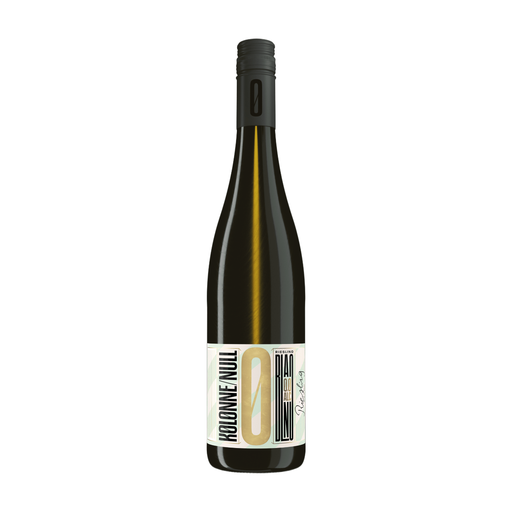
Why This Fits Their Persona: For those who abstain from alcohol but not from the enjoyment of a high-quality wine. This non-alcoholic organic wine offers an authentic taste experience and meets the highest standards of quality and sustainability.
Kolonne Null is a specialist in dealcoholised wines. The product is clearly labelled as "BIO" (organic), and the production process aims to preserve the varietal-specific aromas, setting it apart from simple grape juices.
Offers the characteristic taste of a Riesling with pronounced acidity and mineral notes, but with 0.0% alcohol. Produced in Germany according to strict organic standards.
We have compiled a complete, up-to-date list of products that fully meet these strict selection criteria and German regulations.
The surest way is to check the labels for official, recognised certifications. In addition to the EU organic logo (green leaf), specifically look for a vegan seal like the V-Label (yellow circle with a V) or the Vegan Trademark (sunflower). The "organic" label alone is not a guarantee of a vegan production method.
The shelf life of vegan organic wine is no different from that of conventional wines. It depends on the grape variety, acidity and tannin levels, and storage conditions. Most everyday wines are intended for consumption within 2-5 years. Store the bottles in a cool, dark place. Once opened, the wine should be refrigerated and consumed within 3 days.
Modern production methods like vacuum distillation, used by specialist producers like Kolonne Null, allow for very gentle removal of alcohol. This preserves many of the original aromas and the character of the grape variety. Even though alcohol as a flavour carrier is missing, high-quality dealcoholised wines offer a complex and sophisticated taste experience that goes far beyond that of grape juice.