What matters when you buy?
First decide what matters most to you: a verifiable contribution to your protein intake, a vegan snack that’s ready to eat, or control over how it’s prepared. Then compare the information on the pack you’re considering.
| Criteria |
What to check when buying |
Who it matters to |
| Protein contribution |
Compare the protein and energy value per 100 g. For a “high protein” claim, EU Regulation (EC) No 1924/2006 requires at least 20% of the energy to come from protein. |
If I’m buying a snack to support my protein goal after training, I want to assess its contribution using the nutritional information. This is the main priority for around 45% of consumers. |
| Vegan snack |
Check for a vegan label and, for sweet or savoury varieties, look at the sugar, salt and serving size. |
For a film night, I mainly want popcorn that suits my vegan way of shopping and my taste. Around 36% of consumers put this need first. |
| Preparing it yourself |
Choose between popcorn kernels and ready-made options; if you’re buying microwave popcorn, follow the preparation instructions. |
I want to decide how to season my popcorn myself, and I’m happy to make it in a pan. This level of control matters most to around 19% of consumers. |
Vegan snacks as an alternative to popcorn
These Joybuy products aren’t popcorn. They’re different types of snacks to consider if you’re looking beyond the popcorn category to support your protein goal. Compare the nutritional information and labelling on the specific pack.
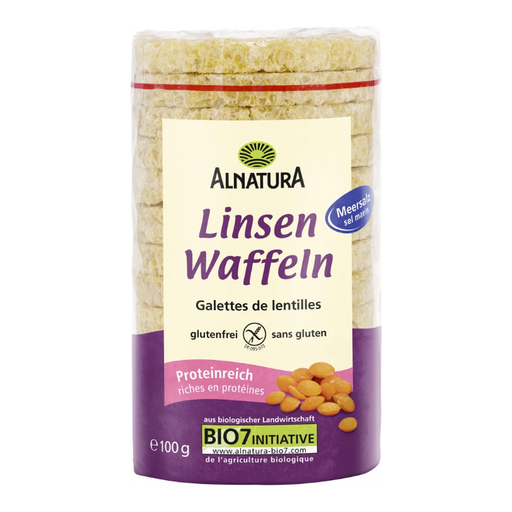 Image unavailable
Alnatura Organic Lentil Cakes, 100 g
Lentil cakes are a different type of snack from popcorn. If you’re considering them for their protein contribution, compare the nutritional information per 100 g with the amount you plan to eat, and check the vegan label.
View on Joybuy
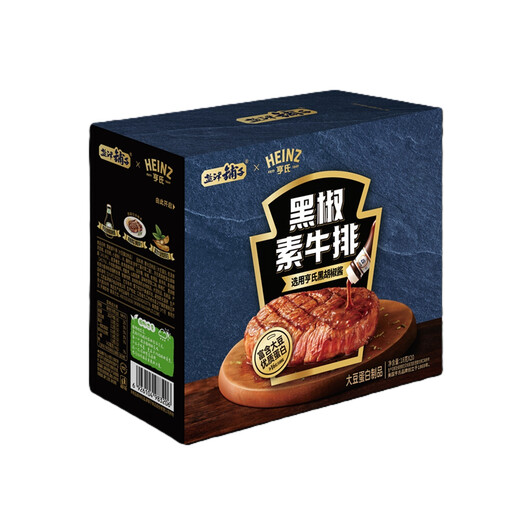 Image unavailable
Yan Jin Pu Zi Vegan Steak, Black Pepper Flavor, Heinz Co-Branded Edition, 18 g × 20
This seasoned snack isn’t popcorn. The product name specifies 20 portions of 18 g each; if you have a protein goal, the nutritional value of the amount you actually eat is what matters. Also check the ingredients, vegan and allergen information on the pack.
View on Joybuy
Frequently asked questions
When can a snack be labelled “high protein”?
Under EU Regulation (EC) No 1924/2006, at least 20% of a product’s total energy value must come from protein. To compare products using their nutritional information, multiply the protein per 100 g by 4 kcal per gram, then divide by the kcal per 100 g.
Is vegan popcorn automatically high in protein?
No. A vegan label doesn’t tell you how much protein a product contains. Calculations based on the information for the Seeberger, Chio and HEIMATGUT varieties considered here show that they don’t meet the EU threshold for a “high protein” claim. Check the nutritional information for any other varieties you’re considering.
Is the ingredients list enough to identify vegan popcorn?
Not always. According to the Verbraucherzentrale, the ingredients list doesn’t always reveal the origin of certain additives or which processing aids have been used. A clear vegan label makes choosing easier; if you have allergies, you’ll also need to check the allergen information.
What should I bear in mind with microwave popcorn?
Follow the power, timing and opening instructions on the pack. Open the heated bag carefully, as hot steam may escape.
Can popcorn after a workout replace planned protein intake?
The word “popcorn” alone doesn’t tell you whether a snack provides enough protein. The German Nutrition Society considers protein intake for sport as part of your overall diet. Compare the nutritional information for your specific snack portion with your planned meal, rather than assuming a particular type of popcorn will have a specific effect on recovery.


