
Lieferung heute & morgen

Qualitätsgarantie

Willkommens-Angebote freischalten: KOSTENLOSE Lieferung | Bis zu 80 % RABATT | Kostenlose 30-Tage-JoyPlus-Testphase
App herunterladen
Vegan protein bars are practical for workouts, the office, hikes or long journeys. However, eye-catching claims such as “High Protein”, “Low Sugar” or “no added sugar” reveal little on their own about the actual ingredients. If you choose based solely on flavour or pack size, you may end up paying for a bar that contains barely more protein than an ordinary cereal bar.
This shopping guide from the Joybuy Product Recommendation Officer explains which details matter when buying and which products suit different everyday situations.
A protein bar with no added sugar may still contain naturally occurring sugars or sweeteners. Many low-sugar bars, for example, use maltitol, sorbitol, sucralose or other sweeteners. These ingredients affect the flavour and nutritional information, but excessive consumption can cause unwanted digestive reactions.
It is therefore important to check:
A bar may appear high in protein when calculated per 100 g, even though the individual serving weighs only 35 or 50 g. For everyday use, the key figure is therefore protein per bar. A product containing 15 g of protein per 55 g bar should be assessed differently from a 35 g bar with a considerably lower protein content.
The ingredients list is also relevant. Plant-based protein sources may include pea protein, rice protein, soya protein, wheat protein, hemp protein or legume flours.
“Vegan” does not automatically mean organic, gluten-free or free from soya and peanuts. Check each of the following separately:
For snacks on the go, a single clearly labelled portion is often more practical than an open bulk pack. If you reach for snacks regularly, a protein bar box or a vegan snack box can make it easier to compare the cost per bar.
For a high-protein snack, the number of grams per serving is the most important comparison figure. Among the products mentioned here, the stated amounts range from lower values in classic oat bars to 15 g of protein per vegan protein bar.
A higher protein content often changes the texture. Bars made with pea, rice or soya protein may be denser or drier than classic oat products. Flavour, bite and type of sweetener should therefore suit the intended use just as much as the nutritional value itself.
“Low Sugar” usually describes the sugar content, not necessarily the total carbohydrate content. For products containing maltitol or other polyols, it is worth checking the full nutritional table. Fibre can also make a bar feel more filling, but it is not a substitute for a balanced diet.
With a protein bar with no added sugar, you should also check whether no sugar has genuinely been added or whether an alternative sweetener has simply been used. The labelling on the packaging is decisive.
For sport and outdoor activities, a sturdy individually wrapped bar and straightforward packaging are important. In the office, a box containing several portions may be useful. If you prefer variety, combine protein bars with high-protein crisps, organic oat bars or other vegan snacks.
Follow the manufacturer’s storage instructions. Heat can affect chocolate coatings and fillings. You will find the specific best-before date on the relevant packaging.
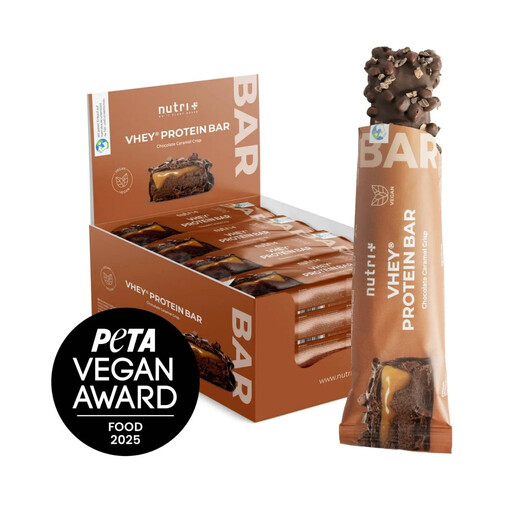
Why this product suits this profile: The box of 12 is ideal for people who want to plan vegan protein bars into their regular sports and office snack routine. According to the product information, one 50 g bar provides 13 g of plant-based protein.
The protein content is stated per bar. The ingredients list also identifies maltitol and sucralose, allowing you to check the type of sweetener transparently before buying.
12 individually wrapped portions, 50 g per bar and a protein blend made from pea and hemp protein.
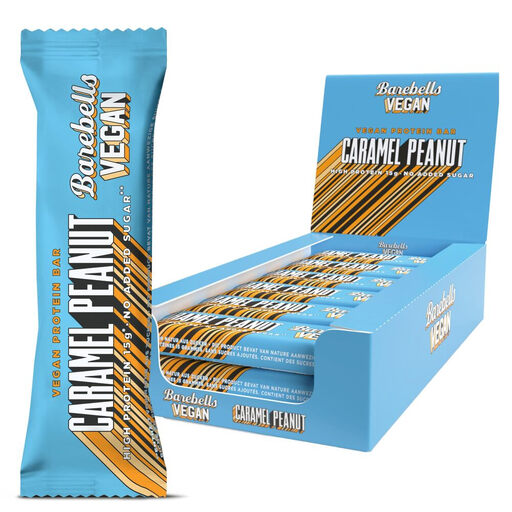
Why this product suits this profile: The bar is explicitly labelled vegan and combines an individual weight of 55 g with 15 g of protein according to the product information. Peanuts and soya are particularly important for allergy sufferers to note.
“No added sugar” is not treated as synonymous with “sugar-free”: the nutritional information states 1.5 g of sugar per bar, as well as maltitol and sucralose.
Box of 12, 15 g of protein per bar and no palm oil according to the product description.
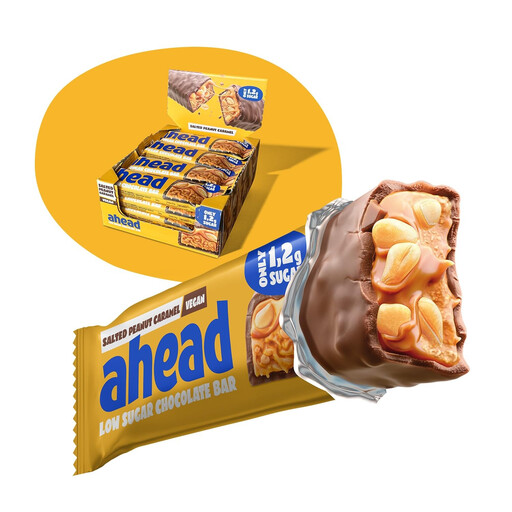
Why this product suits this profile: The pack of 16 35 g bars is ideal for frequent users who want to keep small portions in stock for the office, travel or training. The product is suitable for vegans and labelled as a low-sugar bar.
The small portion size prevents you from misjudging the amount in each bar. Peanuts and gluten are also listed as allergens.
16 individual bars, 35 g per portion and, according to the product information, no added sugar and no palm oil.
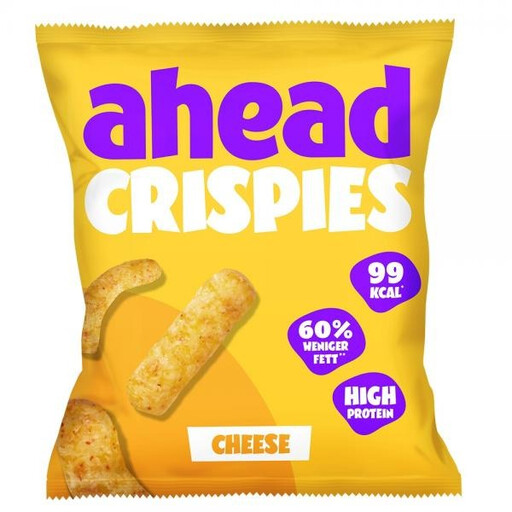
Why this product suits this profile: The baked protein flips are an alternative to classic crisps. According to the product information, they are vegan, gluten-free and soya-free, and contain 26 g of protein per 100 g.
The nutritional values are also provided per 100 g: 2.2 g of sugar, 26 g of protein and 8.3 g of fat. This makes it easier to compare the snack with crisps objectively.
Baked rather than fried, according to the product description, with 10 g of fibre per 100 g.
We have put together a complete, regularly updated list of products that fully meet these strict selection criteria and the safety regulations applicable in the EU.
Not every vegan bar needs to be high in protein. An organic oat bar such as the Alnatura Organic Almond & Hazelnut Oat Flapjack contains 8.8 g of protein per 100 g according to the product information and is better suited as an oat and nut snack. According to the stated information, the Cocoa and Blueberry varieties contain 6.5 and 7.9 g of protein per 100 g respectively.
For a balanced selection in the office or when travelling, a vegan snack box can therefore include products from different categories:
Always compare the total weight, number of portions and price per bar before buying. This way, a large pack does not automatically become the more economical choice.
That depends on your personal eating plan and how you intend to use it. For a specifically high-protein snack, the amount per bar is more informative than the figure per 100 g. Also check the protein source, serving size and total sugar and sweetener content.
No. “Vegan” describes the origin of the ingredients, not the sugar content. A plant-based protein bar can still contain sugar, syrup or sweetening ingredients. With a low-sugar bar, you should check the nutritional table and the polyols used.
The specific shelf life is stated on the packaging. Unopened bars should be stored in a cool, dry place in accordance with the manufacturer’s instructions. Chocolate coatings may soften in summer; when taking snacks on the go, it is best to store them somewhere shaded and away from excessive heat.