
Lieferung heute & morgen

Qualitätsgarantie

Willkommens-Angebote freischalten: KOSTENLOSE Lieferung | Bis zu 80 % RABATT | Kostenlose 30-Tage-JoyPlus-Testphase
App herunterladen
Vegan protein products and gluten-free snacks may seem easy to compare at first glance. However, terms such as “no added sugar”, “plant-based” or “gluten-free” do not automatically tell you everything about the full ingredients list, protein content or suitability for a particular diet. If you are shopping for training, the office, hiking trips or a gluten-free diet, it is therefore important to know some common marketing pitfalls.
A vegan product may contain wheat, oats, barley or rye. This applies, for example, to many vegan oat bars. Plant-based protein powder may also contain ingredients such as wheat protein or oat components. If you have coeliac disease or a pronounced gluten intolerance, the specific labelling, ingredients list and possible “may contain” information are therefore crucial.
Protein bars with no added sugar often contain sweeteners such as maltitol. This can result in a low declared sugar content, while polyols are still listed in the nutrition table. Consuming large amounts of certain sweeteners may have a laxative effect. “Zero” bars may also provide carbohydrates through oats, syrup ingredients or naturally occurring sugars.
A bar containing 30 per cent protein cannot be directly compared with a powder that provides 23 or 25 grams of protein per serving. The key factors are protein per serving, serving weight, pack size and the price per serving. With snacks, you should also check whether protein is genuinely the main focus or whether the product consists predominantly of carbohydrates and fat.
The protein sources are particularly important when choosing vegan protein powder. A 6K protein powder, for example, combines several sources such as soya, wheat, rice, pea, sunflower and almond protein. This may appeal to people who prefer a multi-component product. However, it makes the product unsuitable for people with certain allergies or following a gluten-free diet if it contains wheat protein.
A 3K protein powder, on the other hand, may consist of three plant-based sources. Nutri+ 3K Protein Powder Vegan lists soya, pea and sunflower protein; according to the product information, this version is formulated without wheat. “Wheat-free” should nevertheless not be treated as synonymous with “gluten-free” unless the product carries the relevant gluten-free labelling.
For athletes and fitness enthusiasts, a 30-gram serving is a practical basis for comparison. Depending on the product information, Nutri+ 6K Protein Powder provides either 23 or 25 grams of protein per 30-gram serving. Nutri+ 3K Protein Powder provides 23 grams of protein per serving. You should also check the sweeteners, salt, fat and carbohydrate content.
For bars, both the value per 100 grams and the value per individual bar are useful. According to the product information, a 45-gram Corny protein bar provides 13.5 grams of protein per bar. A traditional oat or muesli bar, by contrast, may contain considerably less protein, even if it is marketed as a snack for athletes.
If you follow a gluten-free diet, the packaging should carry the relevant labelling. Oats are a special case: even if the grain is naturally low in gluten, processing and contamination may still be factors. If you have coeliac disease, only use products whose labelling and manufacturer information are compatible with your individual dietary requirements. Information on the packaging takes precedence over older online information.
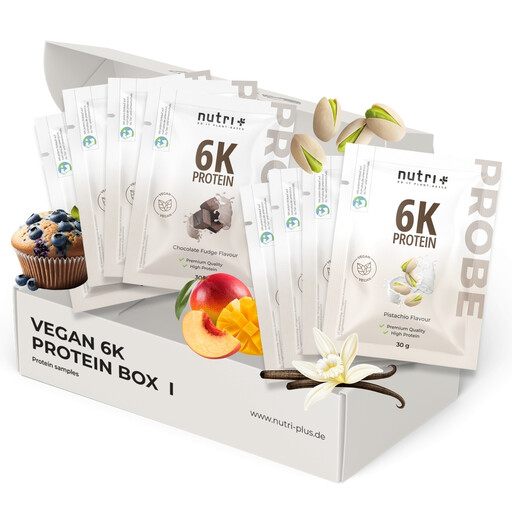
Why this product suits this profile: Eight portions in different flavours let you try the range without immediately buying a large pack of a single variety.
The sample size reduces the risk of buying a large quantity of a flavour that is not right for you. However, check the ingredients list for wheat, soya and almond.
Eight individual 30 g portions; according to the product information, 25 g of protein per serving, prepared with 300 ml of liquid.
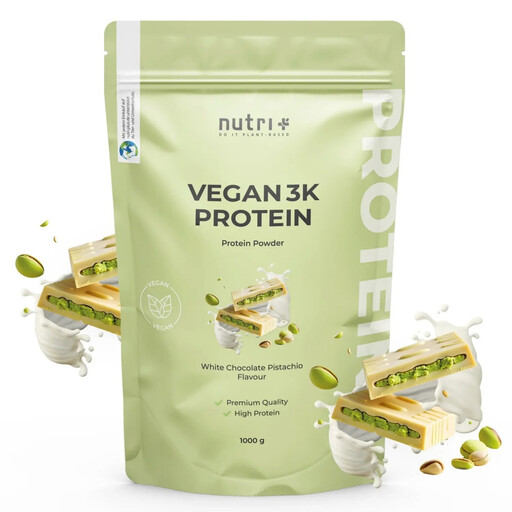
Why this product suits this profile: The three-component blend may appeal to shoppers looking for clearly specified plant-based protein sources without wheat and who prepare shakes regularly.
The protein sources are listed transparently. At the same time, the product description mentions sucralose; if you prefer to avoid sweeteners, compare the ingredients list before buying.
Soya, pea and sunflower protein; according to the product information, 23 g of protein per 30-g serving and 350–400 ml of liquid.
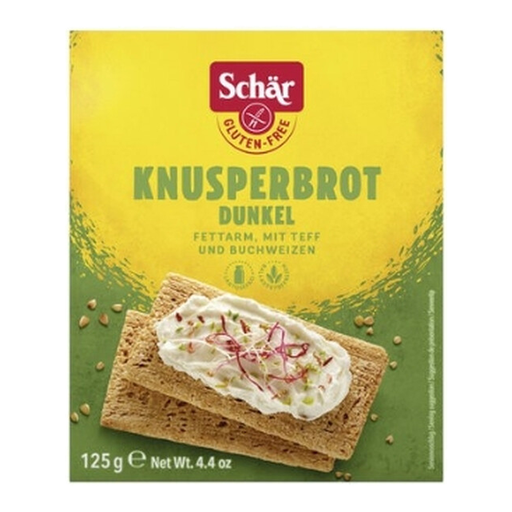
Why this product suits this profile: This crispbread is suitable for people who need a gluten-free, vegan snack for the office, travelling or between meals.
The product information states that it is gluten-free and lactose-free, with a vegan recipe. If you have coeliac disease, the current packaging labelling remains the decisive factor.
Made with teff and buckwheat flour; according to the product information, 8.1 g of protein, 6 g of fibre and 0 g of sugar per 100 g.
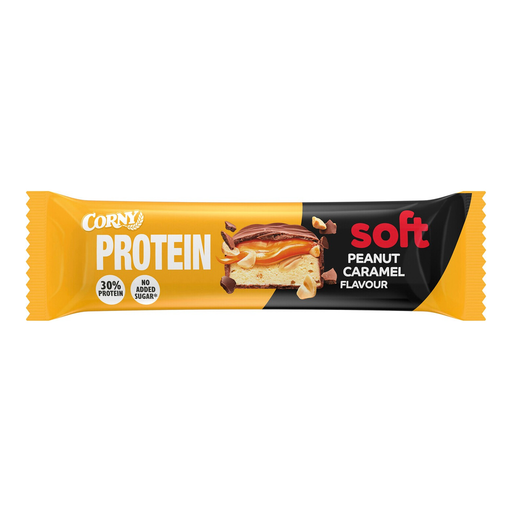
Why this product suits this profile: An individually wrapped bar is practical for work, hiking or your gym bag when you need a portioned source of protein.
The individual serving value makes the actual protein content clear: 13.5 g per 45-g bar. However, the product is not vegan and may contain gluten.
According to the product information, 13.5 g of protein, 161 kcal and 0.4 g of sugar per bar; contains milk, soya and peanuts.
We have put together a complete, regularly updated list of products that fully meet these strict selection criteria and the safety regulations applicable in the EU.
This can only be assessed by checking the specific ingredients and allergen labelling. A 6K protein powder containing wheat protein is not suitable for a gluten-free diet. A 3K blend without wheat may be an option, but it should not automatically be considered gluten-free without the relevant gluten-free labelling.
No. Sweeteners may reduce the sugar content, while fat, carbohydrates and polyols still contribute to your energy intake. You should therefore compare the calorie content per bar, rather than looking only at the “no added sugar” claim.
Crispbread, biscuits and crackers should be stored in a dry, cool place and, after opening, kept as airtight as possible. This helps them stay crisp for longer. If you have coeliac disease, it is also advisable to store them separately from foods containing gluten to avoid contamination from crumbs and contact.