
Lieferung heute & morgen

Qualitätsgarantie

Willkommens-Angebote freischalten: KOSTENLOSE Lieferung | Bis zu 80 % RABATT | Kostenlose 30-Tage-JoyPlus-Testphase
App herunterladen
Finding the right vegan protein powder can quickly become a complex task. The market is flooded with products that promise high efficacy but often disappoint in practice with a gritty texture, poor solubility, or an unpleasant aftertaste. Many users invest in bulk containers, only to find the product doesn't meet their expectations.
As your Joybuy Product Recommendation Officer, I'm here to help you navigate these pitfalls. This guide focuses on the objective criteria that define a high-quality, plant-based protein powder, enabling you to make an informed decision that aligns with your goals—whether it's muscle building, recovery, or supplementing your daily diet.
Before we dive into the selection criteria, it's crucial to understand the most common issues that can lead to a purchase you'll regret.
To ensure you get a product that performs and meets your needs, you should check the following three parameters.
The foundation of any protein powder is its sources. For vegan products, a distinction is made between single-source and multi-source proteins.
Look for a combination that delivers a full spectrum of essential amino acids (EAAs) and branched-chain amino acids (BCAAs).
A crucial indicator of quality is the actual protein content per 100 grams and per serving. A high-quality plant-based protein powder should typically contain more than 70g of protein per 100g.
Read the ingredients list carefully. It should be short and easy to understand. The protein sources should be listed first. Products advertised as lactose-free protein powder are a given for those with lactose intolerance, but you should also check for the absence of unnecessary additives like aspartame or large amounts of sugar.
Solubility is directly linked to the texture and drinking experience. Protein isolates are generally more finely milled and more soluble than concentrates, as they have a higher degree of purity and more non-protein components have been removed. A powder that dissolves easily and without lumps in water or plant-based milk is a sign of good processing quality. This is an aspect that is often overlooked in a superficial vegan protein powder review but is crucial in daily use.
Here are three recommendations tailored to different user profiles that meet the criteria mentioned above.
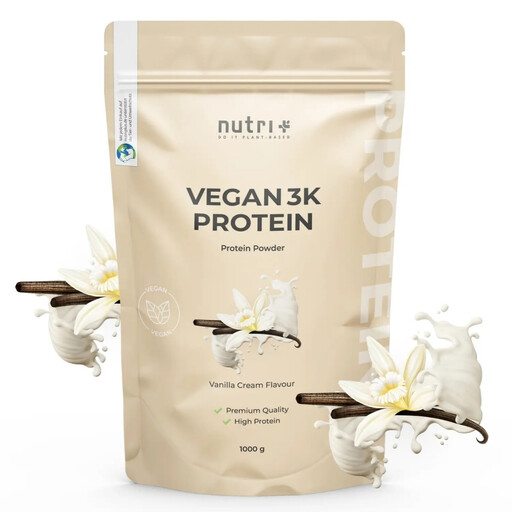
Why it's a great fit: Ideal for anyone new to the world of vegan proteins. The 3-component formula provides a balanced foundation, and the classic vanilla flavour is versatile enough for shakes or muesli.
The blend of soy, pea, and sunflower protein ensures a more complete amino acid profile and a creamier texture than many single-source powders.
Delivers 24g of protein per serving and is explicitly declared wheat-free, making it suitable for a broader user base.
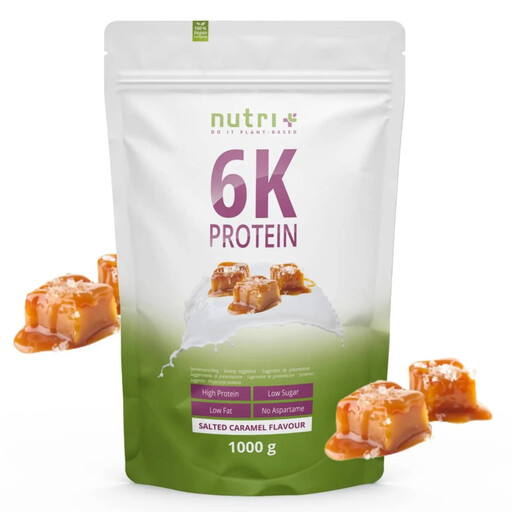
Why it's a great fit: For athletes looking to optimise their protein intake. The 6K formula offers a complex blend of different protein sources to support muscle growth and maintenance.
The 6-component blend (soy, wheat, rice, pea, sunflower, almond) maximises the amino acid spectrum and aims for improved solubility and texture.
Provides a high dose of 24g of protein per serving and a very broad base of plant proteins for staggered absorption.
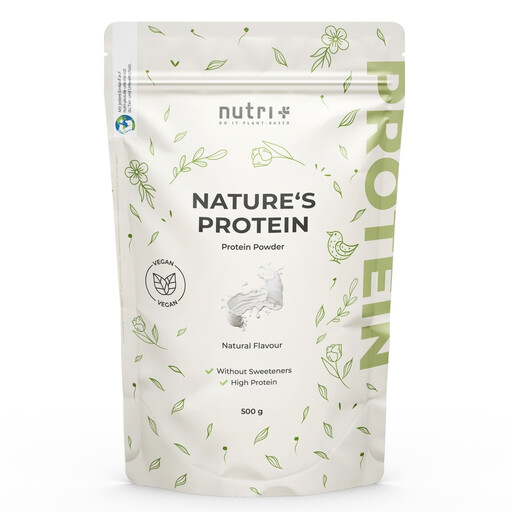
Why it's a great fit: For users who want maximum control over flavour and ingredients. This powder is free from flavourings and sweeteners, making it perfect for cooking, baking, or creating your own custom shakes.
It completely bypasses the "hidden fillers" pitfall. The ingredients list consists exclusively of soy protein isolate, pea protein isolate, and rice protein.
Maximum flexibility. The neutral taste allows it to be combined with any liquids and ingredients without altering the flavour.
We have compiled a complete, up-to-date list of products that fully meet these strict selection criteria.
1. How do I prepare a vegan protein shake without lumps? For a lump-free result, first add the liquid (e.g., 300-400 ml of water or plant-based milk) to a shaker with a sieve insert or shaker ball. Then, add the recommended amount of protein powder. Secure the lid tightly and shake vigorously for about 30 seconds.
2. Is vegan protein powder as effective for muscle building as whey protein? A high-quality multi-source vegan protein with a complete amino acid profile can support muscle growth just as effectively as whey protein. The key to success is the total protein intake throughout the day and the quality of the amino acid profile, not necessarily the protein source itself.
3. Can I use vegan protein powder even if I don't work out? Yes, a plant-based protein powder can be a practical supplement to meet your daily protein needs. This is especially true for individuals on a vegan or vegetarian diet who may find it difficult to meet their requirements through whole foods alone. It serves as a convenient and lactose-free protein source for everyday life.