
Lieferung heute & morgen

Qualitätsgarantie

Willkommens-Angebote freischalten: KOSTENLOSE Lieferung | Bis zu 80 % RABATT | Kostenlose 30-Tage-JoyPlus-Testphase
App herunterladen
The search for a suitable vegan protein powder can quickly become overwhelming. The market is flooded with products promising high protein content and an exceptional taste experience. However, not every powder delivers on its packaging's claims. Many users invest in products that fail to support their fitness goals or end up gathering dust in the cupboard due to low-quality ingredients and poor solubility.
This guide will help you identify the common pitfalls. We'll show you the objective criteria that matter when making a selection, enabling you to make an informed decision that fits your needs.
Before you make a decision, it's crucial to critically examine common marketing claims. Many disappointments can be avoided by keeping the following points in mind:
To find a suitable plant-based protein powder, you should focus on verifiable facts. The following three parameters are essential for making a good product choice.
The foundation of any protein powder is its protein source. For vegan options, these are typically peas, rice, soy, hemp, or sunflower seeds. Each source has a specific amino acid profile.
A short and understandable ingredients list is usually a good sign. Pay attention to the following points:
Don't just compare the protein content per 100g, but also the amount per recommended serving size. A product might have 80% protein, but if the recommended serving is only 20g, you're only getting 16g of protein. Another product with 75% protein and a 30g serving, however, delivers 22.5g. Calculate the price per gram of protein to objectively assess cost-effectiveness.
Based on the criteria mentioned, we have compiled a selection of products for different user groups.
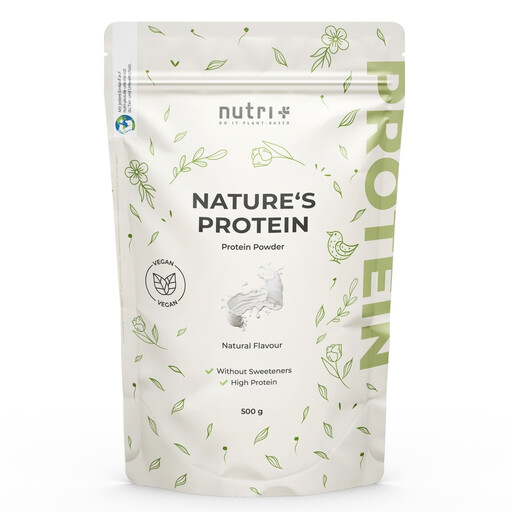
Why This Fits Their Persona: Ideal for users who want full control over taste and sweetness. It's excellent for baking, smoothies, or mixing into porridge without altering the meal's original flavour.
This product consistently avoids the pitfall of hidden sugars and fillers. The ingredients list consists exclusively of soy, pea, and rice protein sources.
Multi-component vegan protein from three sources (soy, pea, rice) for a balanced amino acid profile. Absolutely no sweeteners, flavours, or other additives.
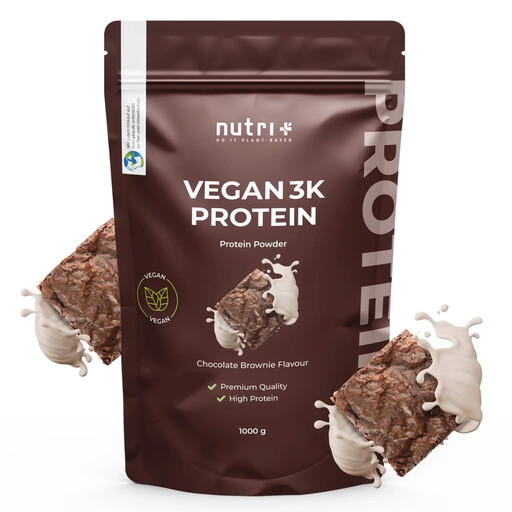
Why This Fits Their Persona: Designed for athletes looking for a tasty, high-protein shake after their workout. The 3K formula from Nutri Plus Protein is engineered to support muscle maintenance and growth.
This powder tackles the pitfall of an incomplete amino acid profile by combining three different protein sources. It is also wheat-free.
Delivers 23g of protein per serving from a 3-component blend (soy, pea, sunflower protein). The taste is tailored to the preferences of shake drinkers.
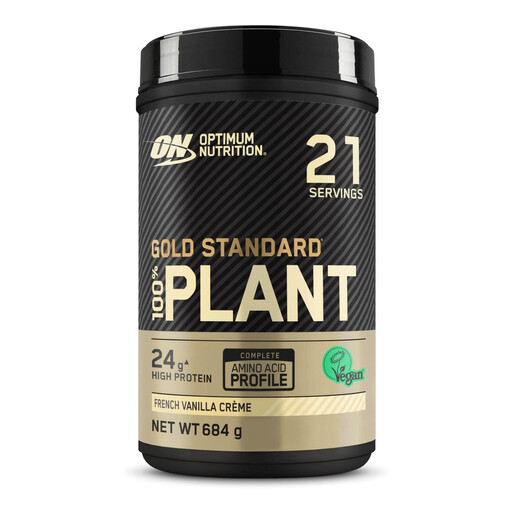
Why This Fits Their Persona: For users who value an established brand and reliable product quality. The "Gold Standard" line is known for its excellent solubility and balanced taste, making it a straightforward choice for daily use.
This product addresses the problem of poor solubility, as the manufacturer invests in processing techniques to achieve a finer texture. It is also low in sugar and soy-free.
Offers 24g of protein per serving from a combination of pea and rice protein. It naturally contains BCAAs and is free from artificial colours.
We have compiled a complete, up-to-date list of products that fully meet these strict selection criteria and German regulations.
1. Can I effectively build muscle with a vegan protein shake? Yes, building muscle is possible with a vegan protein powder. The key is ensuring your body receives all nine essential amino acids required for muscle protein synthesis. A multi-component vegan protein is often a great choice for this, as it combines the amino acid profiles of different plant sources to achieve a higher biological value.
2. How do I recognise a high-quality plant-based protein powder? You can identify a high-quality plant-based protein powder by its short, transparent ingredients list with protein sources listed first. It should be free from unnecessary fillers and ideally low in sugar. A combination of multiple protein sources indicates a well-thought-out amino acid profile.
3. My vegan protein shake is lumpy, what can I do? Clumping is not uncommon with plant-based proteins. To minimise this, add the liquid (e.g., water or plant-based milk) to your shaker first, then the powder. Using a shaker with a built-in sieve or a blender usually yields a better result. The liquid's temperature can also affect solubility; room-temperature liquid often works better than ice-cold.