
Lieferung heute & morgen

Qualitätsgarantie

Willkommens-Angebote freischalten: KOSTENLOSE Lieferung | Bis zu 80 % RABATT | Kostenlose 30-Tage-JoyPlus-Testphase
App herunterladen
Finding the right vegan protein powder can quickly become overwhelming. The market offers a plethora of options, but not all products live up to their labels' promises. Many consumers invest in powders that disappoint in taste, have a gritty texture, or whose nutritional profile is inadequate for their athletic goals. This guide is designed to provide clarity and give you objective criteria to make an informed decision.
Before choosing a product, it's helpful to know the typical weaknesses that often only become apparent after purchase.
To avoid these pitfalls, you should check three key aspects before buying. These will help you objectively assess the quality and suitability of a vegan protein powder.
The composition of the protein sources is crucial for the powder's biological value.
A look at the nutrition facts and the ingredient list is essential.
Your individual needs play a major role. Individuals with gluten intolerance or celiac disease should look for a protein powder without wheat. Many multi-component blends, especially 3K proteins based on soy, pea, and sunflower, meet this criterion. For coffee lovers, there are also special products like vegan protein coffee that combine protein and caffeine in one shake.
Here are some product recommendations tailored to different user profiles and their specific requirements.
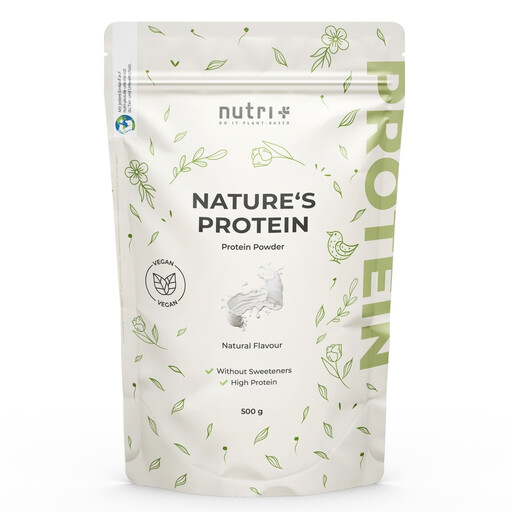
Why This Fits Their Persona: Ideal for those who want full control over the flavour and sweetness of their shakes, smoothies, or baked goods. The unflavoured base offers versatile use in the kitchen.
This product is a protein powder without sweeteners, flavours, or fillers. It completely avoids the pitfall of hidden additives and offers maximum transparency.
Consists of a 3-component blend (soy, pea, rice) for a complete amino acid profile. High flexibility in use.
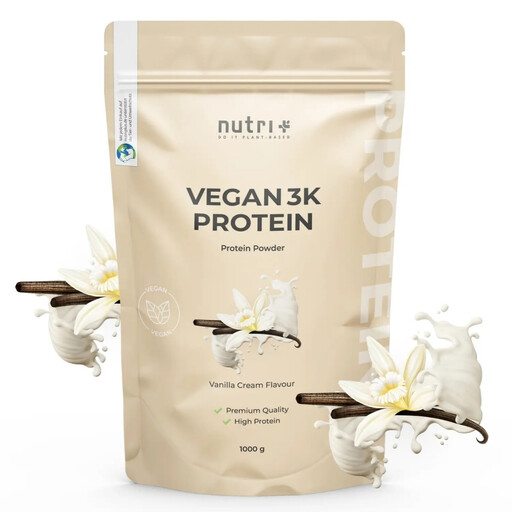
Why This Fits Their Persona: Perfect for athletes looking for a tasty and effective protein shake to support muscle maintenance after a workout. The classic vanilla flavour is a popular choice.
The 3K formula (soy, pea, sunflower) ensures a complete amino acid profile, avoiding the pitfall of incomplete proteins. The formulation is designed for good solubility.
Delivers 24g of protein per serving and is a protein powder without wheat, making it suitable for individuals with this intolerance.
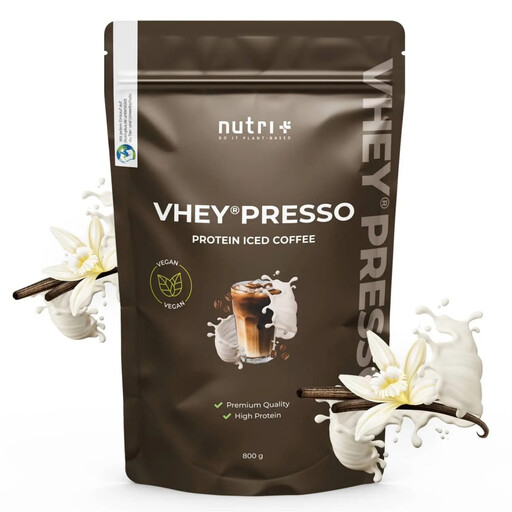
Why This Fits Their Persona: For coffee lovers who want to enrich their morning coffee with a dose of protein or are looking for a pre-workout energy boost. A convenient 2-in-1 solution.
This specialty product has a clear function and transparent ingredients. It specifically combines protein with real instant coffee, thus avoiding the trap of vague product promises.
Delivers 21g of protein and 100mg of caffeine per serving. This vegan protein coffee is a functional addition to an active lifestyle.
We have compiled a complete, up-to-date list of products that fully meet these strict selection criteria.
1. How do I prepare a vegan protein shake so it doesn't clump? For a clump-free result, first add the liquid (e.g., water or plant-based milk) to a shaker. Then, add the protein powder. Close the shaker tightly and shake it vigorously for about 20-30 seconds. Using a shaker with a built-in sieve or a shaker ball can further improve solubility.
2. Can I build muscle with vegan protein powder? Yes, using vegan protein powder for muscle building is possible with proper use and nutrition. Proteins contribute to the maintenance and growth of muscle mass. It is crucial that the powder has a complete amino acid profile. Multi-component proteins are an excellent choice for this, as they supply the body with all the essential amino acids it needs for recovery and growth processes.
3. What is the difference between 3K and 6K protein powder? The "K" stands for "components." A 3K protein powder combines three different plant-based protein sources (e.g., soy, pea, sunflower). A 6K protein powder contains a blend of six sources (e.g., with the addition of rice, wheat, and almond protein). A 6K blend offers an even broader spectrum of amino acids and can support a time-released supply to the body due to the different absorption rates of the individual proteins.