
Lieferung heute & morgen

Qualitätsgarantie

Willkommens-Angebote freischalten: KOSTENLOSE Lieferung | Bis zu 80 % RABATT | Kostenlose 30-Tage-JoyPlus-Testphase
App herunterladen
Finding the right vegan protein powder can quickly become overwhelming. The market is saturated with products making bold claims, but not all deliver on their promises. Many consumers invest in products that disappoint in taste, have a gritty texture, or feature a composition that isn't optimally aligned with their personal goals. This guide will help you identify the key quality markers and avoid common purchasing pitfalls.
Before you make a decision, it's important to understand the most common issues that can arise when selecting plant-based protein powders.
To make an informed choice, focus on the following objective criteria. These will help you separate the wheat from the chaff and find a product that meets your requirements.
The composition of the protein sources is the core of any plant-based protein powder.
A reliable indicator of quality is the protein content per recommended serving. A good vegan protein powder should deliver between 20 and 25 grams of protein per 30-gram serving. Lower values often indicate a higher proportion of fillers, carbohydrates, or fats. Check the nutritional table to objectively compare the pure protein content.
The ingredients list reveals the purity of the product.
Here are some recommendations tailored to different needs and use cases.
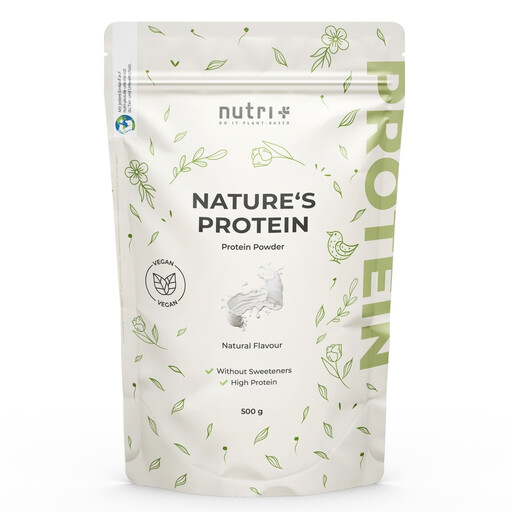
Why This Fits Their Persona: Ideal for users who want maximum control over flavour and sweetness. It integrates seamlessly into smoothies, baking recipes, or porridge without altering the taste.
This product completely avoids the hidden additives trap. The ingredients list consists exclusively of protein sources (soy, pea, and rice protein), without any flavourings or sweeteners.
High protein content of 25g per serving; versatile for use in both sweet and savoury dishes.
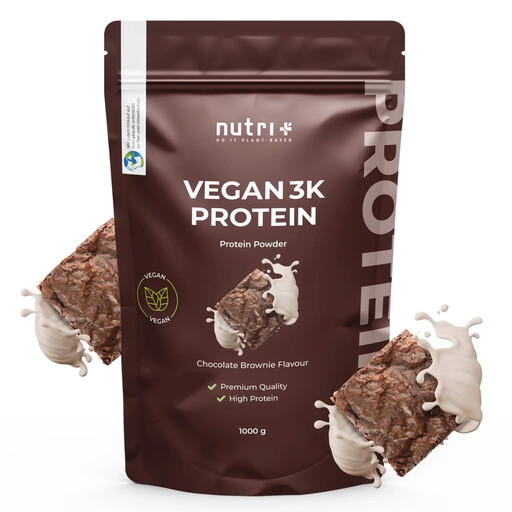
Why This Fits Their Persona: Perfect for anyone who prefers a quick-to-prepare and great-tasting shake after a workout. The classic chocolate flavour makes protein intake a pleasure.
As a multi-component vegan protein (soy, pea, sunflower), it delivers a complete amino acid profile. The formulation is designed for excellent solubility to avoid the typical gritty texture.
Solid protein content of 23g per serving; wheat-free formula.
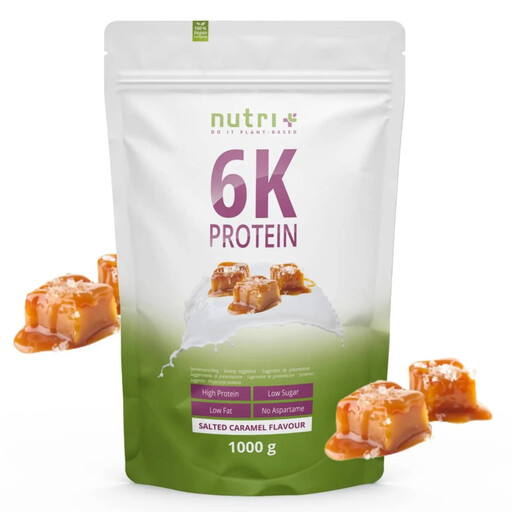
Why This Fits Their Persona: For users seeking the broadest possible coverage of plant-based protein sources and who value a complex composition. The modern Salted Caramel flavour offers a welcome change.
The 6-component blend (soy, wheat, rice, pea, sunflower, almond) maximises biological value, thus completely avoiding the pitfall of an incomplete amino acid profile.
Very broad spectrum of protein sources; high protein content of 24g per serving.
We have compiled a complete, up-to-date list of products that fully meet these strict selection criteria.
For a lump-free preparation, a shaker with a sieve insert or a shaker ball is essential. First, add the liquid (e.g., water or plant-based milk) to the shaker, and then add the powder. Shake the mixture vigorously for about 20-30 seconds. Using a blender will typically yield an even creamier consistency.
Yes, vegan muscle building is effectively achievable with the right strategy. Protein contributes to the growth and maintenance of muscle mass. The crucial factor is supplying the body with all essential amino acids in sufficient quantities through your diet. A high-quality multi-component vegan protein ensures a complete amino acid profile and can thus support muscular recovery and growth after training.
The choice depends on your individual goals and tolerances. Soy protein has a very complete amino acid profile. Pea protein is hypoallergenic and rich in certain amino acids like arginine. Rice protein is easily digestible. For most users, a multi-component blend offers the most balanced solution, as it combines the strengths of various sources and closes potential gaps in the amino acid profiles of single proteins.