
Lieferung heute & morgen

Qualitätsgarantie

Willkommens-Angebote freischalten: KOSTENLOSE Lieferung | Bis zu 80 % RABATT | Kostenlose 30-Tage-JoyPlus-Testphase
App herunterladen
Finding the right vegan protein powder can quickly become overwhelming. The market is saturated with products promising high protein content and a wide variety of flavours. But not every powder delivers on its promises. Several common pitfalls lead consumers to buy products that don't meet their goals or contain unwanted ingredients.
This guide will help you separate marketing claims from facts. We'll highlight the key criteria that define a high-quality, functional plant-based protein and show you how to avoid common purchasing mistakes.
Before making a decision, it's important to understand the most common issues you might encounter during your search.
To avoid these pitfalls, focus on three key parameters during your selection. These will help you objectively assess a product's suitability for your individual needs.
The foundation of any protein powder is its raw materials. Vegan proteins are derived from sources like peas, rice, soy, hemp, sunflower seeds, or almonds.
A look at the ingredients list reveals more about a product than any marketing message. Pay special attention to the following:
Solubility depends heavily on the quality of the raw materials and the manufacturing process. Protein isolates, from which fats and carbohydrates have been largely removed, generally have a finer texture and better solubility than protein concentrates. A powder that dissolves easily in a shaker without clumping makes for a pleasant vegan protein shake and is an indicator of careful processing.
Based on the criteria mentioned, we've curated a selection of products for different user profiles.
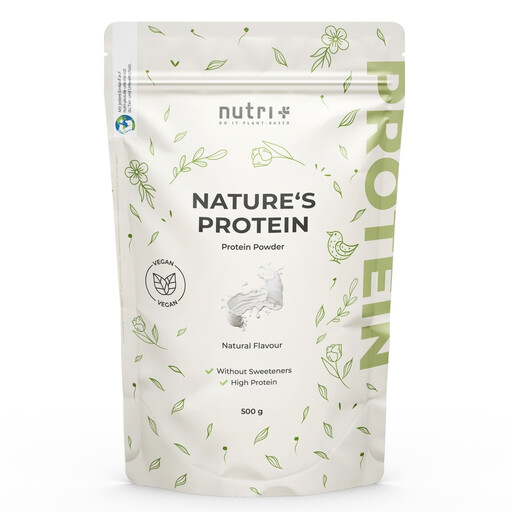
Why This Fits Their Persona: Ideal for users who want full control over their shake's ingredients. This powder is free from flavours and sweeteners, making it suitable for cooking and baking as well.
It bypasses the hidden additives trap by consisting solely of three protein sources (soy, pea, and rice protein). The multi-component principle ensures a balanced amino acid profile.
No Sweeteners or Flavours: Maximum flexibility in preparation. 3-Component Blend: Offers a broader spectrum of amino acids than single-source proteins.
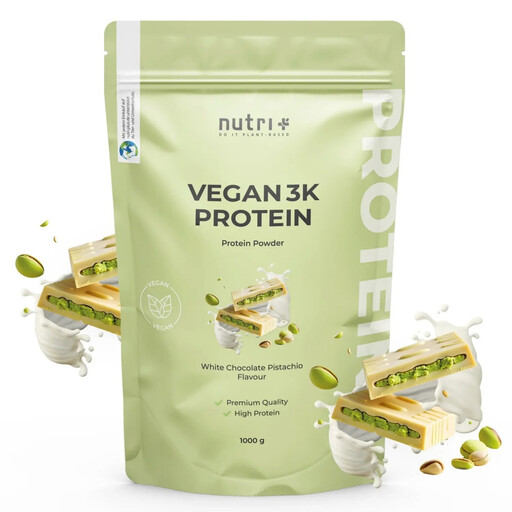
Why This Fits Their Persona: For users who prefer a quick and great-tasting shake after their workout without needing to add other ingredients.
Despite its flavour, the powder is based on a 3K blend (soy, pea, sunflower protein), thus avoiding the incomplete amino acid profile trap that can occur with some flavoured single-source protein powders.
Balanced Protein Sources: The combination of three plant-based proteins supports a versatile supply. Ready-to-Mix Flavour: Requires no additional ingredients for a tasty shake.
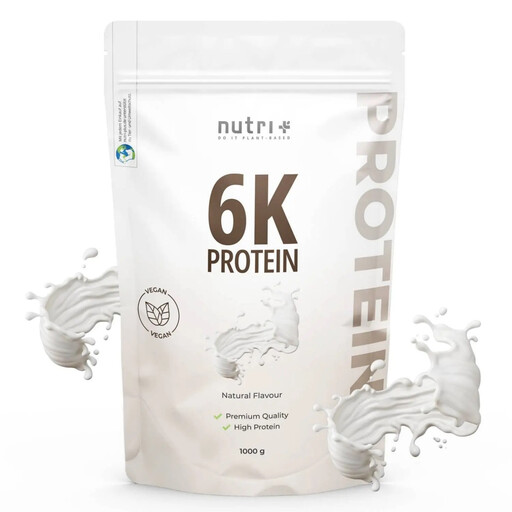
Why This Fits Their Persona: Designed for athletes seeking the broadest possible coverage of plant-based protein sources to support their training goals, such as muscle building and maintenance.
By combining six different proteins (soy, wheat, rice, pea, sunflower, almond), it minimises the risk of an incomplete amino acid profile. The unflavoured version also avoids the sweetener trap.
6-Component Formula: Provides an exceptionally high diversity of protein sources. High Biological Value: The sophisticated combination of sources aims for optimal usability by the body.
We've compiled a complete, up-to-date list of products that fully meet these strict selection criteria and comply with German regulations.
You can identify a high-quality plant-based protein powder by several factors. Check the ingredients list: a multi-component vegan protein often indicates a more complete amino acid profile. Also, look for a high protein content per serving (typically >70%) and a short list of ingredients without unnecessary fillers.
No, it's an excellent choice for a broader audience. People with lactose intolerance will find it an ideal lactose-free protein powder. It's also suitable for athletes who want to vary their protein sources or for individuals looking to reduce their consumption of animal products for environmental or health reasons.
Digestibility is highly individual. Some people may be sensitive to certain plant proteins or added fibres. Products based on protein isolates are often easier to digest because fats and carbohydrates have already been significantly reduced. If you have concerns, it can be helpful to start with a smaller serving size and observe your body's reaction.