
Lieferung heute & morgen

Qualitätsgarantie

Willkommens-Angebote freischalten: KOSTENLOSE Lieferung | Bis zu 80 % RABATT | Kostenlose 30-Tage-JoyPlus-Testphase
App herunterladen
The market for vegan protein powder is constantly growing, and the sheer number of options can be overwhelming. Many products promise high protein content and great taste, but not all deliver on their promises. As your Joybuy Product Recommendation Officer, I'm here to help you navigate the common pitfalls and make an informed decision that aligns with your goals.
Too often, well-intentioned purchases lead to disappointment. Here are three common problems consumers encounter:
To avoid these issues, it's crucial to understand a product's core features before you buy.
Instead of being swayed by marketing promises, you should focus on three objective parameters. These will help you make a well-founded assessment of a product's quality.
The foundation of any plant-based protein powder is its protein source. Common options include soy, pea, rice, hemp, or sunflower.
Look for the label "complete amino acid profile" or a blend of multiple complementary protein sources.
A high-quality product is characterized by a short and understandable ingredient list. Specifically look for a protein powder without sugar.
A powder that avoids unnecessary additives gives you more control over your nutrition.
Solubility significantly impacts the drinking experience. Protein isolates (e.g., soy protein isolate) are typically more finely milled and more extensively processed than concentrates. As a result, they usually dissolve better in liquid and create a creamier consistency. If you value a lump-free shake, an isolate or a high-quality multi-component blend is often the better choice.
Based on the criteria above, we have selected a few products from our range that are suitable for different user profiles.
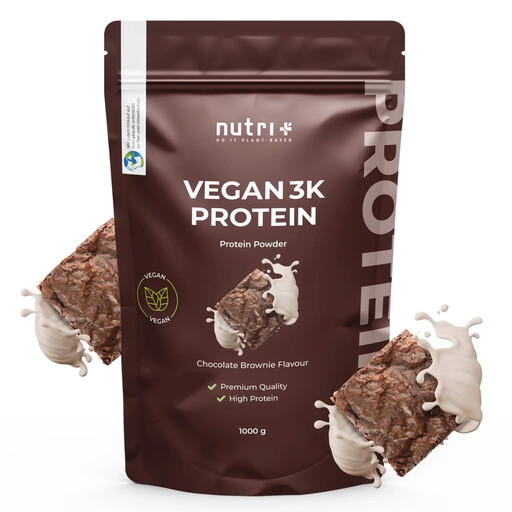
Why it's a good fit: Ideal for anyone looking for a balanced and great-tasting vegan chocolate protein powder without needing to dive deep into the technical details. The multi-component formula makes it a solid all-rounder.
The blend of three protein sources (soy, pea, sunflower) ensures a complete amino acid profile. It's sweetened with sucralose, thus avoiding the sugar trap.
Delivers 23g of protein per serving and a balanced protein blend suitable for various uses.
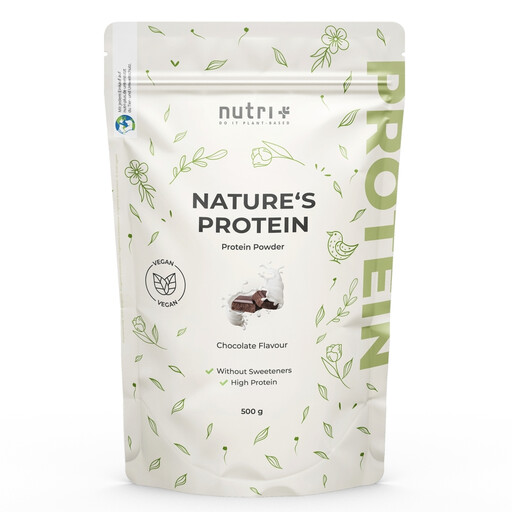
Why it's a good fit: Perfect for users who want maximum control over the ingredients. This powder provides a pure protein base that can be sweetened and customised to your liking.
According to the manufacturer, it contains no added sugar or sweeteners, directly addressing the hidden sweetener trap. You decide if and how to sweeten it.
A pure, unsweetened protein base made from soy, pea, and rice protein. Offers flexibility for shakes, baked goods, or mixing into meals.
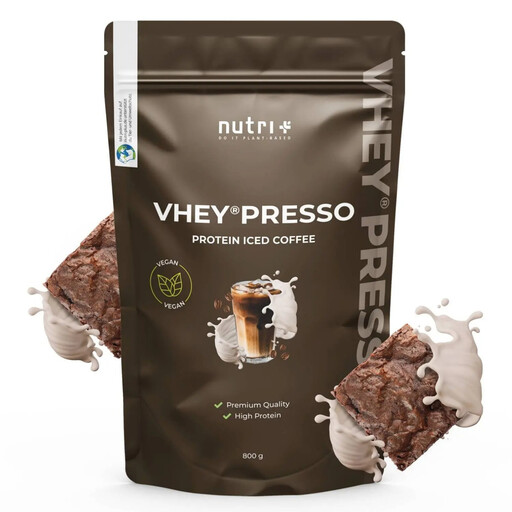
Why it's a good fit: For anyone with an active lifestyle who values efficiency. This product combines a protein shake with an energy boost from caffeine—ideal before a workout or as an invigorating start to the day.
It's a functional niche product that meets two needs in one. Instead of buying two separate products, you get a well-designed combination here.
Combines 21g of protein from soy and pea isolate with 100mg of caffeine per serving, according to the manufacturer. A convenient 2-in-1 solution.
Beyond targeted protein intake, a balanced lifestyle also includes enjoyment. If you're looking for other plant-based alternatives, you might also be interested in our range of vegan snacks.
Explore our range of plant-based products, carefully selected based on objective criteria.
The frequency depends on your individual goals, overall diet, and activity level. Many athletes consume one shake per day, often after a workout, to support muscle recovery. A shake can also serve as a protein-rich snack. However, it should supplement a balanced diet, not replace it.
Some people are sensitive to certain protein sources or additives. Pea or soy protein can cause bloating in some individuals. If you have a sensitive stomach, start with a smaller portion to test your tolerance. Products with a simple ingredient list or those considered hypoallergenic (e.g., rice protein) can be a good alternative.
Yes, vegan muscle building is absolutely possible. The key is that the protein must provide a complete amino acid profile, especially with sufficient leucine. Many high-quality vegan protein powders, particularly multi-component blends or soy protein isolate, are designed to offer an amino acid profile comparable to that of whey protein, effectively supporting muscle growth.