
Lieferung heute & morgen

Qualitätsgarantie

Willkommens-Angebote freischalten: KOSTENLOSE Lieferung | Bis zu 80 % RABATT | Kostenlose 30-Tage-JoyPlus-Testphase
App herunterladen
Finding the right vegan protein powder can quickly become overwhelming. The market is flooded with products promising high protein content and delicious flavours. However, not every powder delivers on its promises. Many users invest in products that turn out to be sandy, disappointing in taste, or packed with unnecessary fillers.
As your Joybuy Product Recommendation Officer, I'm here to help you navigate these pitfalls. This guide focuses on the objective criteria that truly matter, showing you how to find a plant-based protein powder that meets your goals—without being swayed by marketing hype.
Before we dive into the key parameters, let's identify the three most common issues that lead to a bad purchase:
An informed approach to selection protects you from these disappointments and ensures you get a product that is both effective and pleasant to use.
To find the right product, you should focus on three core parameters. These will help you objectively evaluate the quality of a vegan protein powder.
The composition of the protein sources is the most important quality indicator. Each plant-based protein source has a unique amino acid profile.
A quick look at the ingredient list reveals more than any advertising message. Pay attention to the following points:
Not every powder serves the same purpose. Define your goal to choose the right formula.
Here are some product recommendations tailored to different needs and the quality criteria mentioned above.
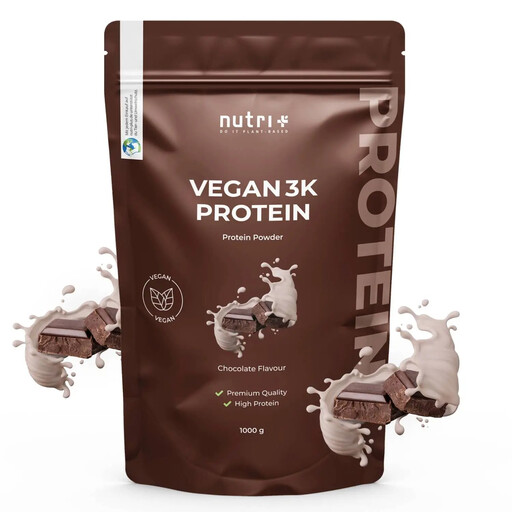
Why This Fits Their Persona: Ideal for athletes and health-conscious individuals looking for a reliable protein source for post-workout recovery or to supplement their daily diet. The wide variety of flavours makes it easy and enjoyable to consume.
The 3-component blend of soy, pea, and sunflower protein bypasses the pitfall of an incomplete amino acid profile. Its good solubility prevents the typical sandy texture.
Offers a high biological value by combining multiple protein sources and provides approx. 22g of protein per serving to support muscle maintenance.
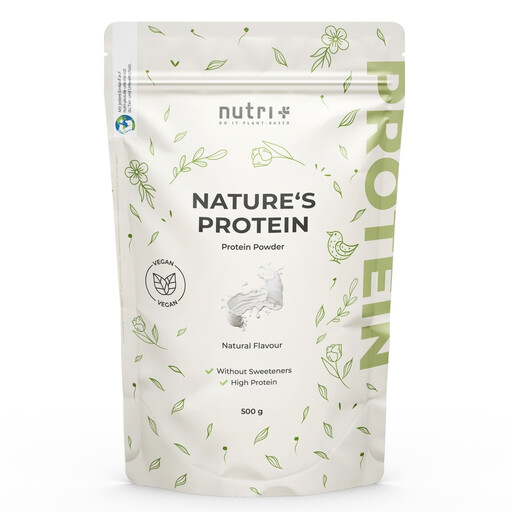
Why This Fits Their Persona: Perfect for users who want maximum control over their nutrition and wish to avoid all sweeteners, flavours, and other additives. Ideal for cooking, baking, or creating custom shakes.
This product is the direct answer to the pitfall of hidden fillers and sugars. The ingredient list consists exclusively of three protein sources—soy, pea, and rice protein.
Maximum purity and flexibility. With 25g of protein per serving, it offers a highly concentrated protein source without any additives.
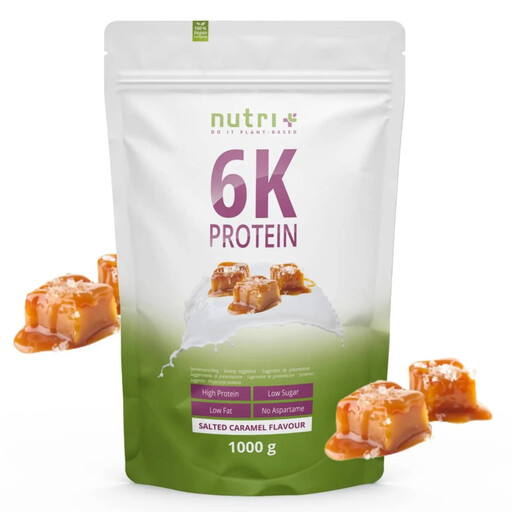
Why This Fits Their Persona: For athletes who want to optimize their protein intake. The complex blend of six different plant-based proteins ensures a broad amino acid spectrum and a time-released delivery.
This powder goes beyond a simple blend, offering even more comprehensive amino acid coverage, which sets it apart from less sophisticated multi-component proteins.
The 6K formula combines soy, wheat, rice, pea, sunflower, and almond protein. This provides a very broad spectrum of amino acids and approx. 24g of protein per serving.
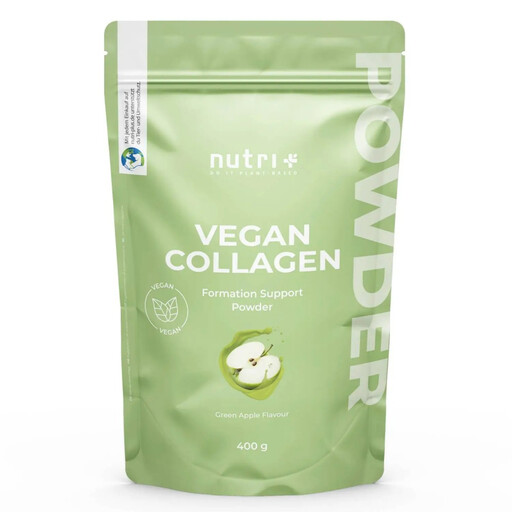
Why This Fits Their Persona: For individuals seeking a vegan alternative to support the body's own collagen production for skin, hair, and connective tissue. The focus here is not on muscle building, but on structural health.
This product avoids the misleading claim of being "vegan collagen." Instead, it transparently provides the specific amino acids and co-factors needed for collagen synthesis in the body.
Contains a targeted blend of glycine, proline, lysine, hyaluronic acid, vitamin C, and zinc to support normal collagen formation for the function of skin and connective tissue.
We have compiled a complete, up-to-date list of products that fully meet these strict selection criteria.
For a clump-free consistency, it's best to use a shaker. First, pour the liquid (water or plant-based milk) into the shaker, and then add the powder. Shaking vigorously for about 20-30 seconds usually results in a creamy finish. The recommended amount of liquid on the packaging is a good starting point but can be adjusted depending on your desired consistency.
For most applications, especially for supporting muscle maintenance and growth, a multi-component protein is more beneficial. By combining different sources, the amino acid profile is completed, which increases the biological value. Single proteins can be useful if you are targeting specific properties (e.g., the rapid absorption of rice protein) or have specific intolerances.
Yes, building muscle with vegan protein powder is just as possible as with animal-based proteins. The crucial factor is that the protein has a complete profile of essential amino acids, which is the case with high-quality multi-component blends. In combination with regular strength training and an overall balanced diet, a plant-based protein powder provides the necessary building blocks for muscle protein synthesis and recovery.