
Lieferung heute & morgen

Qualitätsgarantie

Willkommens-Angebote freischalten: KOSTENLOSE Lieferung | Bis zu 80 % RABATT | Kostenlose 30-Tage-JoyPlus-Testphase
App herunterladen
The market for vegan protein powder is steadily growing, and with it, the variety of products. For athletes, fitness enthusiasts, and health-conscious individuals, this is good news. However, the vast selection can also be overwhelming and lead to poor purchasing decisions. Certain marketing promises and unclear product information make it difficult to find a powder that truly aligns with your personal goals.
As a Joybuy Product Recommendation Officer, I analyse the market for you and show you what to look for. This guide will help you navigate the common pitfalls and find a plant-based protein powder that effectively supports your goals, such as vegan protein powder for muscle growth.
Before we dive into the important quality markers, let's highlight the three most common issues that lead to disappointment and wasted money:
To avoid these traps, you should check three core parameters before you buy vegan protein powder. These will help you separate the wheat from the chaff.
The foundation of any protein powder is its source. For plant-based products, soy, pea, rice, hemp, and sunflower are the most common.
Always take a close look at the nutrition facts panel on the back. Pay attention to the following values:
The texture and taste determine whether you will enjoy using your protein powder regularly.
Based on the criteria above, we have selected a few products from our range that are particularly well-suited for different user profiles.
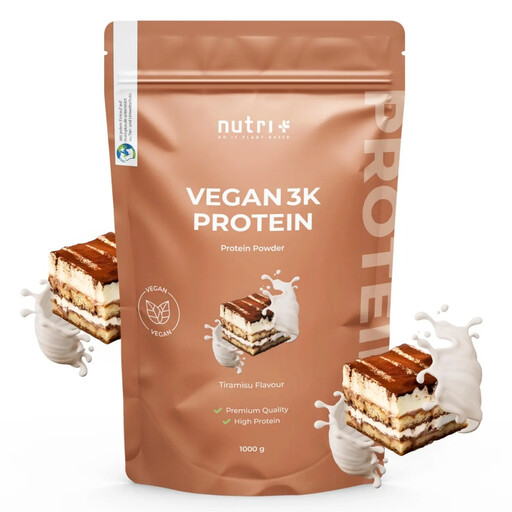
Why This Fits Their Persona: Ideal for anyone starting with strength training who needs a reliable yet affordable protein source. The 1kg pack offers great value for money for regular post-workout use.
This powder avoids the incomplete profile trap by combining three protein sources (soy, pea, and sunflower protein). This ensures a balanced amino acid profile.
Delivers 22g of protein per serving and is characterised by a high biological value. The nutritional information is clearly declared and tailored to the needs of athletes.
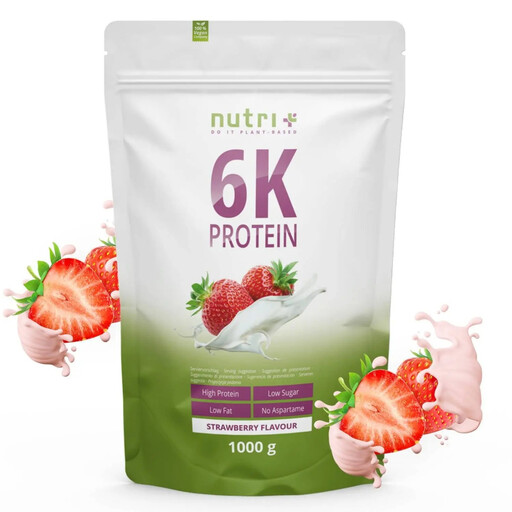
Why This Fits Their Persona: Designed for performance-oriented athletes who want to maximise their recovery and optimally support muscle growth. The complex formula is engineered for high demands.
This powder maximises protein quality by combining six different plant sources (including soy, wheat, rice, and pea). This ensures an exceptionally broad amino acid spectrum.
Offers a high dose of 25g of protein per serving for intense training sessions. The 6-component blend supports a time-released protein supply to the body.
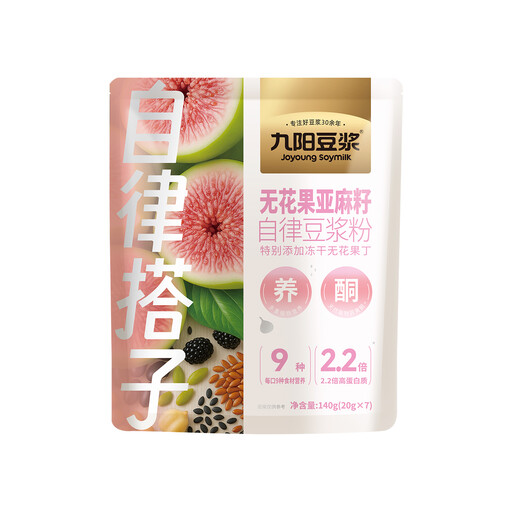
Why This Fits Their Persona: Perfect for individuals looking to supplement their daily diet with a nutrient-rich beverage that offers more than just protein. Ideal for smoothies, cereal, or as a nutritious snack between meals.
This product clearly positions itself as a functional food, not just a sports protein. It avoids the trap of misleading protein content by focusing on a nutrient-dense overall formula.
Contains 9 functional ingredients like figs, flaxseed, and kudzu root. With 27g of protein per 100g and no added sugar (sweetened with xylitol), it's a nutrient-rich supplement.
We've compiled a complete, up-to-date list of products that fully meet these strict selection criteria and UK regulations.
Studies suggest that with sufficient dosage and a complete amino acid profile (as is the case with many multi-component proteins), there is no significant difference in muscle building and strength gains between plant-based proteins and whey protein. The crucial factors are the total amount of protein and the quality of the amino acid profile.
Some people are sensitive to certain plant-based protein sources or additives. Pea protein can cause bloating in some individuals, while soy protein is unsuitable for those with allergies. It often helps to try different protein sources or choose a product with added digestive enzymes. Good solubility can also improve digestibility.
The frequency depends on your individual goals, your overall diet, and your training volume. A common recommendation for athletes is to consume a shake with 20–30g of protein within one to two hours after a workout to support muscle recovery. On non-training days, a shake can help meet your daily protein needs, for example, as part of breakfast or as a snack.