
Lieferung heute & morgen

Qualitätsgarantie

Willkommens-Angebote freischalten: KOSTENLOSE Lieferung | Bis zu 80 % RABATT | Kostenlose 30-Tage-JoyPlus-Testphase
App herunterladen
The selection of vegan protein powders is vast, but not every product delivers on its promise. Many users invest in a plant-based protein powder only to be disappointed by a gritty taste, poor solubility, or an inadequate nutritional profile. This guide will help you identify the crucial quality markers and find a product that truly supports your goals—whether it's muscle building, recovery, or promoting skin health.
Before you make a decision, you should be aware of the most common marketing traps that often lead to a poor purchase.
To avoid these pitfalls, focus on three objective criteria that determine the quality of a vegan protein powder.
The biological value of a protein indicates how efficiently the body can convert it into its own protein. To achieve a high value, a complete amino acid profile is essential.
The consistency of a shake is crucial for daily use. The ingredients list provides clues as to how the powder will perform.
Not every powder serves the same purpose. While classic protein powders are aimed at muscle building, there are special products designed to support the body's own collagen production.
Here are some product recommendations tailored to different user profiles and their specific needs.
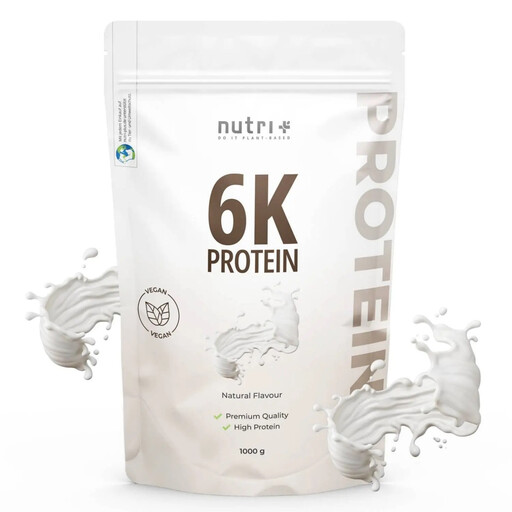
Why This Fits Their Persona: Ideal for users who want maximum control over the ingredients. With no flavors, sweeteners, or other additives, it's perfect for cooking, baking, or customizing the taste of shakes.
Completely sidesteps the hidden additives trap. The 6-component blend also addresses the problem of incomplete amino acid profiles.
Made from six different protein sources (soy, wheat, rice, pea, sunflower, almond) for a broad amino acid spectrum. Free of any additives.
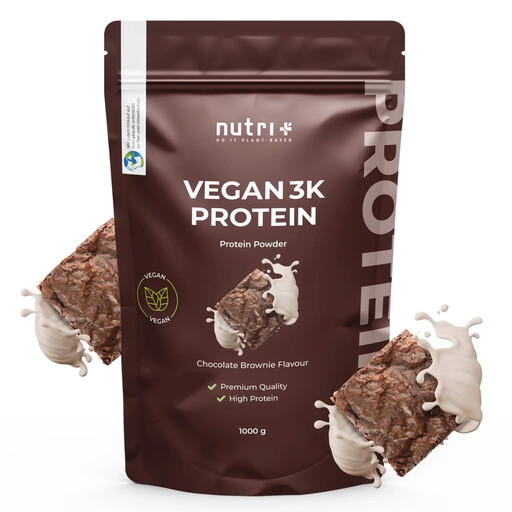
Why This Fits Their Persona: For athletes who need a tasty and quick-to-prepare shake after their workout. The focus is on great taste and a pleasant consistency without compromising on protein quality.
Actively counters the problem of gritty texture and unpleasant taste. The 3K blend of soy, pea, and sunflower protein ensures a solid amino acid profile.
Offers high solubility for a creamy shake and is available in numerous flavors. Delivers 23g of protein per serving.
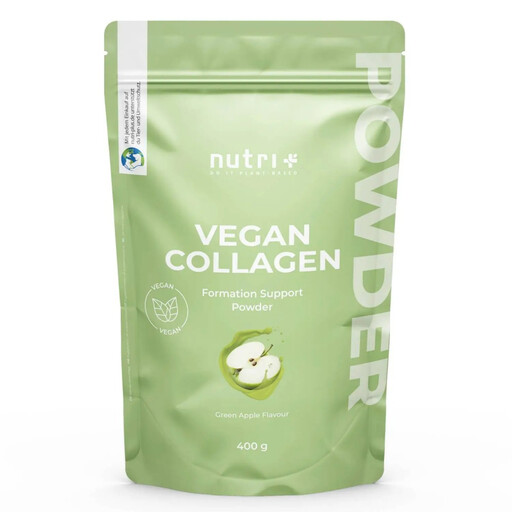
Why This Fits Their Persona: Designed for individuals who specifically want to support their body's own collagen production. It is not a protein source for muscle building but a specialized supplement for skin, hair, and connective tissue.
Prevents the mistake of buying a standard protein powder for a purpose it wasn't designed for. It offers a transparent, targeted formula.
Contains a precise blend of collagen-building amino acids (Glycine, Lysine, Proline), hyaluronic acid, Vitamin C, and zinc to support normal skin and connective tissue.
We have compiled a complete, up-to-date list of products that fully meet these strict selection criteria and German regulations.
The "K" stands for "components." A 3K protein powder is made from three different plant-based protein sources, while a 6K powder combines six sources. The purpose of a multi-component vegan protein is to bundle the strengths of different proteins, mutually complementing their amino acid profiles to achieve a higher biological value.
A high-quality, plant-based multi-component protein powder can provide a complete amino acid profile that is on par with that of whey protein. The key is the combination of sources (e.g., pea protein, rice protein, soy protein) to ensure that all essential amino acids necessary for vegan protein powder for muscle growth are present in sufficient amounts.
This varies greatly from person to person. Many people, especially those with lactose intolerance, find plant-based protein powder to be more digestible, as it is naturally a lactose-free protein powder. However, some individuals may be sensitive to certain plant sources like soy or a high fiber content. It often comes down to personal tolerance and trying out different protein sources.