
Lieferung heute & morgen

Qualitätsgarantie

Willkommens-Angebote freischalten: KOSTENLOSE Lieferung | Bis zu 80 % RABATT | Kostenlose 30-Tage-JoyPlus-Testphase
App herunterladen
The search for a suitable vegan protein powder can quickly become overwhelming. The market is flooded with products promising impressive results, but not all of them live up to their labels. As a Joybuy Product Recommendation Officer, my role is to provide you with objective information so you can make an informed decision and avoid common purchasing pitfalls.
Many consumers invest in products that fail to meet their expectations. This is often due to three common problems:
To avoid these pitfalls, it's helpful to focus on a few key parameters before making a purchase.
Instead of being swayed by marketing promises, you should look at the facts. Three objective criteria are particularly relevant when choosing a vegan protein powder.
Proteins are made up of amino acids, some of which are essential because the body cannot produce them on its own. While animal proteins like whey usually have a complete amino acid profile, this is not always the case with individual plant sources.
A high-quality vegan protein powder therefore combines several plant-based sources. Such multi-component vegan protein products, often referred to as 3K or 6K protein, might mix pea, rice, and soy protein, for example. This combination allows the individual amino acid profiles to complement each other, resulting in a higher biological value. This is especially relevant if the goal is muscle growth, as this requires a complete supply of all essential amino acids.
A close look at the ingredient list and the nutritional information is essential. Pay attention to the following points:
Although these are subjective criteria, conclusions can be drawn from the product description and ingredients. Products with high-quality raw materials and a low proportion of fillers tend to have better solubility. Flavours like chocolate protein powder are common and often a safe bet, as the cocoa flavour can effectively mask any plant-based notes. Brands like Nutri+ offer a wide range of flavours tailored to the specific properties of plant proteins.
Based on the objective criteria mentioned, we have compiled a selection of products for different user profiles.
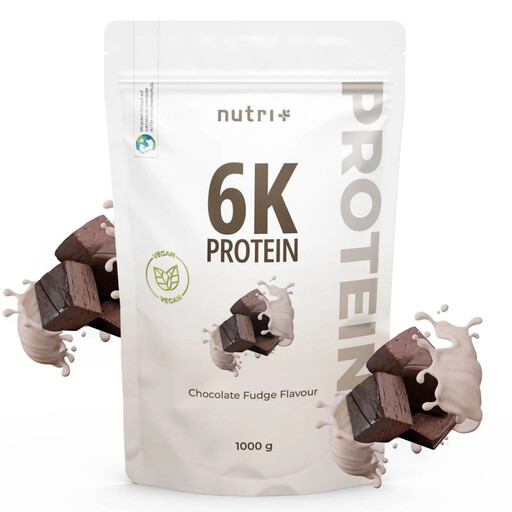
Why it's a good fit: For athletes focused on muscle growth and recovery, a complete amino acid profile is crucial. This powder combines six different plant-based protein sources to ensure optimal supply.
It bypasses the "incomplete protein source" trap with a sophisticated 6-component blend that ensures a high biological value.
Provides 21g of protein per serving from six sources (soy, wheat, pea, rice, sunflower, almond) for comprehensive amino acid coverage.
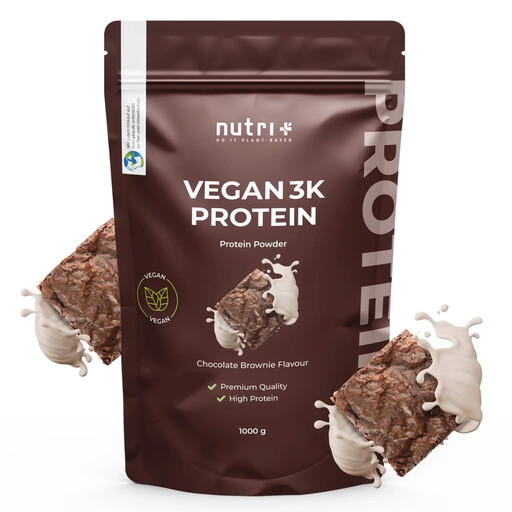
Why it's a good fit: Ideal for daily use to secure protein intake. The wheat-free formula is well-tolerated by many users, and the taste is designed for broad appeal.
It avoids the "hidden fillers" trap with a transparent ingredient list and a sugar-free formulation. The focus is on the three protein sources.
Wheat-free 3K formula (soy, pea, sunflower) with a high protein content of 23g per serving. A solid and reliable choice.
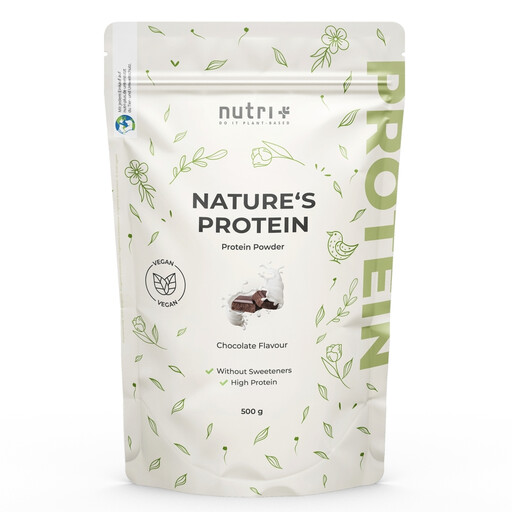
Why it's a good fit: For anyone who wants full control over the sweetness and ingredients of their shake. This powder deliberately contains no sweeteners, allowing for individual customisation.
This is the definitive solution to the "hidden sweeteners" trap, as it omits them entirely. You decide if and how you want to sweeten it.
Maximum control and purity. Contains a 3K protein source (soy, pea, rice) and delivers 23g of protein per serving in its purest form.
Beyond high-quality protein powders, there are many other ways to enjoy a plant-based diet. If you're craving a chocolatey treat after your shake, explore our selection.
1. Can you build muscle with vegan protein powder? Yes, muscle growth is just as possible with vegan protein powder as it is with animal-based proteins. The key is that the protein has a complete amino acid profile and is consumed in sufficient quantities as part of a balanced diet and an appropriate training plan. Multi-component vegan protein products are particularly well-suited for this purpose.
2. Does vegan protein powder dissolve worse than whey? Plant-based proteins naturally have a different structure than whey protein, which can sometimes lead to a slightly grittier texture. However, modern manufacturing processes have greatly improved solubility. A tip: use a shaker with a sieve insert and shake vigorously for about 30 seconds. Preparing it in a blender usually results in an even creamier outcome.
3. How much vegan protein powder per day is reasonable? The recommended amount depends on individual factors such as body weight, activity level, and dietary goals. One serving (approx. 30g of powder) per day, for example after a workout or as a supplement to a meal, is a good starting point for most users. It is important to note that dietary supplements are not a substitute for a varied and balanced diet. Always adhere to the manufacturer's recommended intake.