
Lieferung heute & morgen

Qualitätsgarantie

Willkommens-Angebote freischalten: KOSTENLOSE Lieferung | Bis zu 80 % RABATT | Kostenlose 30-Tage-JoyPlus-Testphase
App herunterladen
Vegan protein powder comes in many varieties: classic vegan protein powder for shakes, blends made from several plant-based sources, or powder for making a high-protein pudding. Choosing one may seem straightforward at first, but product names and marketing claims alone reveal little about how well a product will fit into your everyday routine.
If you’re looking to buy plant-based protein powder, compare the ingredients, protein content, allergens and preparation instructions. This can help you avoid choosing a product that sounds appealing but doesn’t suit your diet or how you plan to use it.
A vegan product can still contain ingredients that matter to some people. Nutri+ 3K Protein, for example, is made with soya, pea and sunflower protein. Nutri+ 6K Protein also includes soya, wheat, rice, pea, sunflower and almond.
If you have an allergy or intolerance, check the full product label. Soya, wheat and nuts aren’t suitable for everyone. Warnings such as ‘may contain traces of’ can also be important.
It’s not just the number of grams on the front of the pack that matters: check the serving size too. A product may list a high protein figure per serving, but the serving itself may be much larger. It’s worth comparing:
Nutri+ lists around 21 to 24 g of protein per 30 g serving for its 3K and 6K varieties, depending on the flavour. Check these figures against the relevant product label before buying.
A vegan protein shake is usually mixed with water or a plant-based drink. A vegan protein pudding, on the other hand, generally needs less liquid and is prepared differently. If you’re expecting a creamy snack, you may be disappointed by a standard shake.
So, think about how you plan to use it: as a shake after a workout, an addition to breakfast, a high-protein snack or an alternative to dessert.
Rice protein powder is made from a single plant-based protein source. Blends such as 3K vegan protein combine several sources, for example soya, pea and sunflower protein. A 6K product includes additional protein sources.
However, ‘3K’ and ‘6K’ aren’t standardised, protected quality labels. The specific ingredients are what matter. Check which protein sources are actually included and whether allergens such as soya, wheat or almond are listed.
For a realistic comparison of cost and nutritional value, check three details:
According to the product information, Nutri+ 3K Protein is prepared with 30 g of powder and around 350 to 400 ml of liquid. Nutri+ 6K Protein calls for 30 g of powder with around 300 ml of liquid. Adjusting the amount of liquid can change the consistency, but it will also affect the volume of your finished shake.
Flavours such as Cookie Dough, Matcha Latte, Peanut Butter Cookie and cinnamon rice pudding will appeal to different tastes. As well as the flavour, check the sweeteners and other ingredients. The Nutri+ products mentioned here include sucralose.
If you’re considering a vegan protein pudding, a sample size could be a good option. You can try the consistency with water or a plant-based drink without having to buy a large pack straight away.
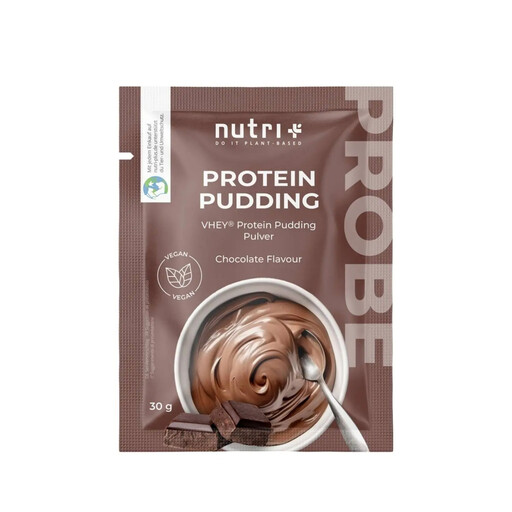
Why this product suits this profile: The 30 g sample size lets you try the flavour and consistency of a vegan protein pudding before committing to a larger amount.
The small pack reduces the risk of buying a larger amount before you know what flavour and consistency you prefer.
According to the product information, 24 g of protein per 30 g serving; mix with 200 ml of water or a plant-based drink.
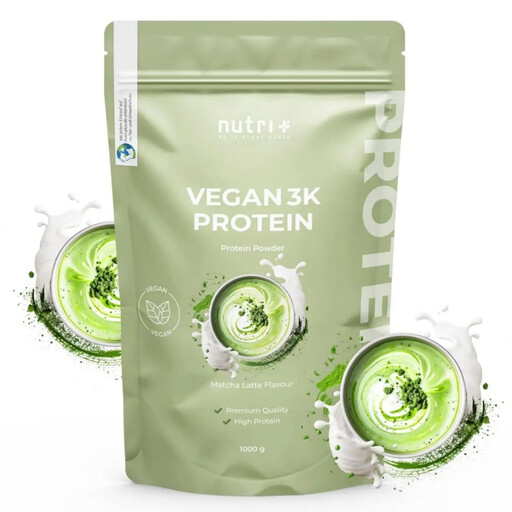
Why this product suits this profile: The ingredients list names three plant-based protein sources, and the pack provides a clear basis for regularly comparing serving sizes and costs.
The specific protein sources and recommended serving are listed, rather than relying on an unexplained blend name.
According to the product information, 23 g of protein per 30 g; listed as wheat-free and made with soya, pea and sunflower protein.
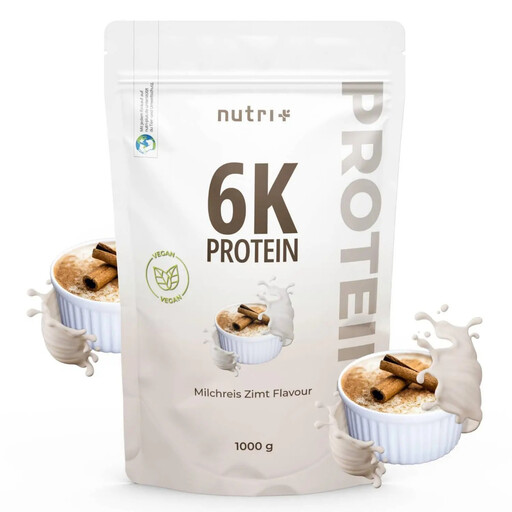
Why this product suits this profile: The 1 kg pack is designed for people who want to make vegan protein powder a regular part of their routine or training plan.
The 30 g serving size and recommended liquid quantity of around 300 ml make it easier to prepare consistent portions.
According to the product information, 23 g of protein per serving; several plant-based protein sources, including soya, wheat, pea, rice, sunflower and almond.
We’ve put together a complete, regularly updated list of products that meet these strict selection criteria and fully comply with the safety regulations in force in the EU.
The exact method depends on the product. For the Nutri+ shakes mentioned here, 30 g of powder is usually mixed with 300 to 400 ml of water or a plant-based drink in a shaker. Use a plant-based drink for a creamier taste. Remember to take its additional nutritional values into account.
The best-before date is printed on the packaging. Once opened, store the powder in a cool, dry place and keep the pack tightly sealed. Moisture can change the consistency and cause lumps. Always follow the manufacturer’s storage instructions.
No. Vegan protein pudding powder can still contain ingredients such as soya and may use sweeteners. Check the ingredients, allergens, serving size and preparation instructions before buying. If you’re looking for a product that contains dairy ingredients, or want to avoid them, make sure you distinguish between vegan and non-vegan protein puddings.