
Lieferung heute & morgen

Qualitätsgarantie

Willkommens-Angebote freischalten: KOSTENLOSE Lieferung | Bis zu 80 % RABATT | Kostenlose 30-Tage-JoyPlus-Testphase
App herunterladen
Vegan protein powder can be a practical addition to the diet of athletes, fitness enthusiasts and active people. But choosing the right one can be confusing: similar-looking packs often promise different amounts of protein, recipes and ways to use them. If you focus only on terms such as “High Protein”, “3K” or “6K”, you could miss important details.
A large serving of powder doesn’t automatically mean a high protein content. What matters is how much protein it contains per serving and per 100 g. For example, a product with a 30 g serving could provide 21 g, 23 g or 24 g of protein. So always compare products using the same measure.
Even a claim such as “vegan with 23 g of protein” should be checked against the nutrition table. In flavoured products, ingredients such as cocoa, sweeteners or pieces of added ingredients can affect the protein content.
The terms 3K protein powder and 6K protein powder usually indicate the number of protein sources used. However, they aren’t legally defined quality labels. The actual ingredients, protein content, allergens and how well you tolerate the product are still what matter.
A blend of soya, pea, rice, sunflower, wheat or almond protein can have different properties when it comes to taste and how easily it mixes. If you have allergies or intolerances, the full ingredients list is more important than the number on the front of the pack.
Vegan protein powder contains no animal-derived ingredients, but it may contain soya, wheat or almonds, for example. This also applies to products marketed as plant-based protein powder. If you want to shop gluten-free, don’t rely on “vegan” or “dairy-free” alone. Check the labelling for the specific product.
Three figures are particularly useful when comparing products:
A 1 kg protein powder is a good option if you use it regularly, as you won’t need to restock as often. Even so, check that the flavour and recipe suit your daily routine.
Soya and pea protein are often combined with other plant-based sources. Products containing wheat protein aren’t suitable for every diet. If you have an existing allergy, check the ingredients list and allergen information on the product page.
You can make a protein shake after a workout with water or a plant-based drink. The recommended amount of liquid affects the consistency: for a 3K product, for example, it may be 350 to 400 ml, while other recipes call for around 300 ml.
Not every high-protein powder is a traditional vegan protein powder. Rice pudding powder, for example, is primarily made up of carbohydrates and can be combined with protein powder. A high-protein pudding, on the other hand, is often dairy-based, so it isn’t automatically vegan.
Also check the sweeteners, flavourings and any special ingredients. This can help you avoid buying a product with a flavour or consistency you don’t like.
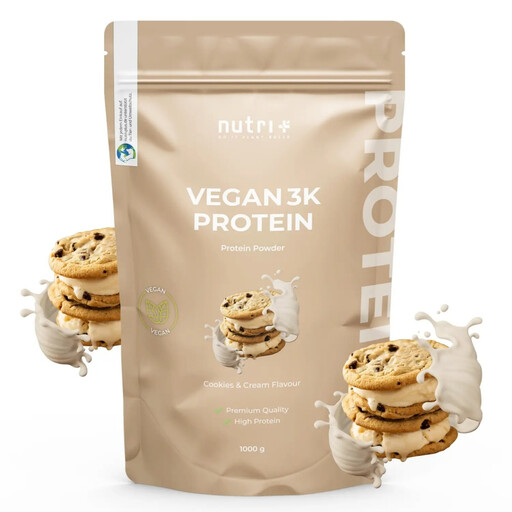
Why this product suits this profile: The 1 kg pack is a good choice if you make shakes regularly. Each 30 g serving provides 23 g of protein, and is mixed with 350 to 400 ml of liquid.
The 3K label is backed up by a clear ingredients list featuring soya, pea and sunflower protein. The product name also explicitly states that it contains no wheat.
Vegan recipe, 23 g of protein per serving and a choice of flavours across the product range.
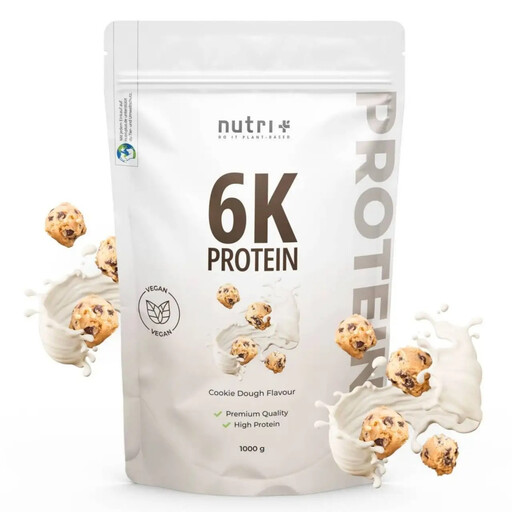
Why this product suits this profile: The recipe combines six plant-based protein sources with Cookie Dough pieces and cocoa. Each 30 g serving provides 21 g of protein.
The product description lists the protein sources and states that Cookie Dough pieces make up 6.7% of the recipe. This makes it easier to assess the flavouring ingredients objectively.
Six plant-based protein sources and clearly listed flavour ingredients. Contains soya, wheat and almonds, among other ingredients.
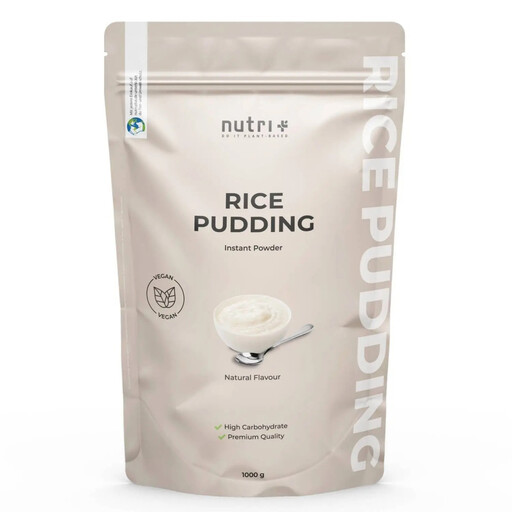
Why this product suits this profile: The rice pudding powder can be prepared hot or cold and combined with vegan protein powder. According to the product information, a 50 g serving provides 41 g of carbohydrates and 4 g of protein.
The product name makes it clear that this isn’t a complete protein powder. This helps you distinguish between a protein shake and a carbohydrate-rich meal.
Made with 100% rice flour according to the ingredients list, in a 1 kg pack, and can be prepared with hot or cold water.
We’ve put together a complete, regularly updated list of products that meet these strict selection criteria and fully comply with the safety regulations in force in the EU.
Follow the recommended serving instructions on the pack. For Nutri+ 3K Protein, mix 30 g of powder with 350 to 400 ml of liquid. Nutri+ 6K Protein Rice Pudding Cinnamon is designed to be mixed with 300 ml of liquid per 30 g of powder and, according to the product information, provides 23 g of protein per serving.
Store the powder in a cool, dry place and keep it out of the reach of children. Protein powder is not a substitute for a balanced and varied diet. If you have specific dietary requirements, allergies or concerns about particular ingredients, check the product labelling carefully.
This depends on your individual protein requirements, your usual diet and the product itself. Follow the serving recommendation on the pack. An extra serving isn’t automatically necessary if you already get enough protein from your daily diet.
A shake can be a convenient option if you want something high in protein after a workout. The exact timing is less important than your overall protein intake and the balance of your daily diet. Follow the manufacturer’s preparation instructions.
Not all protein rice pudding is vegan. Products may contain milk protein, collagen or other animal-derived ingredients. So check the ingredients list and explicit product labelling. According to the product information, Nutri+ Rice Pudding Powder is made from 100% rice flour and contains just 4 g of protein per 50 g serving. You can combine it with suitable vegan protein powder to increase the protein content.