
Lieferung heute & morgen

Qualitätsgarantie

Willkommens-Angebote freischalten: KOSTENLOSE Lieferung | Bis zu 80 % RABATT | Kostenlose 30-Tage-JoyPlus-Testphase
App herunterladen
Vegan protein powder can help top up your daily protein intake – whether you add it to breakfast, enjoy it as a vegan protein shake or have protein after a workout. But there’s plenty of choice, and product names such as “3K” or “6K” don’t tell you much about what’s actually inside. If you focus only on flavour or pack size, it’s easy to miss important differences.
A 3K vegan protein powder or 6K vegan protein powder combines several plant-based sources. This can provide a broader amino acid profile, but it doesn’t tell you how much protein there is per serving. Check the nutrition table: how many grams of protein does a serving contain, and how large is that serving?
Plant-based protein powder may contain soya, wheat, peas, rice, almonds or other ingredients. “Vegan” therefore doesn’t automatically mean soya-free, gluten-free or free from nuts. Check the ingredients list and allergen information before buying, particularly if you have any known intolerances.
Flavoured varieties often contain sweeteners such as sucralose. Unflavoured versions, on the other hand, may be made without sweeteners, so you might want to add your own, such as erythritol, xylitol or steviol glycosides. If you’re planning to use protein powder every day, choose a flavour and preparation method that suit you.
The products featured here generally have a recommended serving size of 30 g of powder. Depending on the variety, this provides around 22 to 25 g of protein. At this serving size, a 1 kg bag of vegan protein powder works out at roughly 33 servings. How long it lasts will depend on whether you use one serving a day or more.
For comparison, according to the product information, Optimum Nutrition Gold Standard 100% Plant Protein contains 24 g of protein per 36 g serving, and the pack weighs 684 g. Remember to take serving size into account when comparing prices: a lower pack price doesn’t necessarily mean a lower cost per serving.
Common plant-based protein sources include soya protein isolate, pea protein isolate, rice protein, sunflower protein, wheat protein and almond protein. Combining several sources can bring together different flavours and amino acid profiles.
If you want to avoid wheat or gluten, check the details carefully. According to the ingredients information, the Nutri+ 3K products are made without wheat, while the Nutri+ 6K varieties contain wheat protein. The 6K products are therefore not suitable for anyone who needs to avoid wheat. Several recipes also contain soya and almonds.
For the Nutri+ 3K products, mix 30 g of powder with 350 to 400 ml of liquid. The 6K varieties are prepared with 300 ml of liquid. According to the product description, Optimum Nutrition Plant Protein should be mixed with 180 to 240 ml of water.
More liquid usually makes for a thinner shake. You can mix plant-based protein powder with water or an unsweetened plant-based drink, or add it to recipes with oats and fruit. If a product contains coffee or cocoa, also check that the flavour – and any caffeine content – suits how you plan to use it.
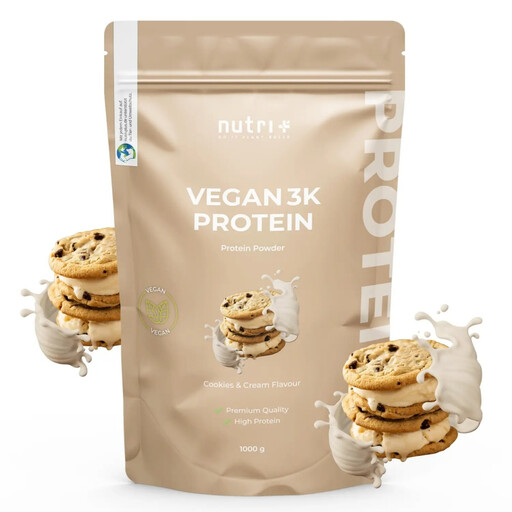
Why it suits this profile: The 1 kg pack is well suited to regular shakes, with a clearly defined 30 g serving providing 23 g of protein. The blend contains soya, pea and sunflower protein.
The protein content is listed per 30 g serving. The recipe is also stated to be wheat-free, but bear in mind that it does contain soya.
1 kg pack, 23 g of protein per serving, and preparation with 350 to 400 ml of liquid.
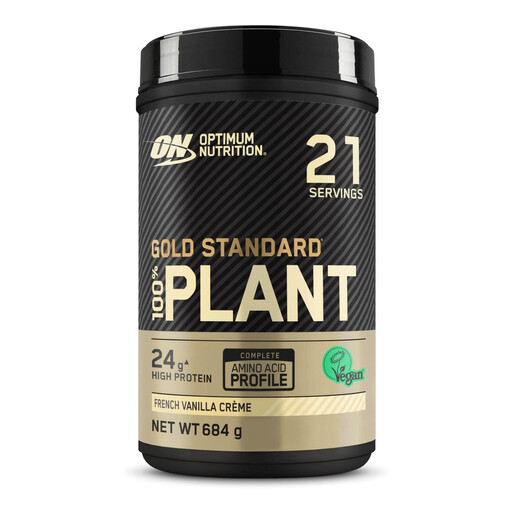
Why it suits this profile: The serving size is set at 36 g and provides 24 g of protein, according to the product information. Pea and rice protein are listed as the protein sources.
The product information states the serving size, protein content and pack weight, and flags possible traces of egg, gluten and peanuts.
24 g of protein per serving, 21 servings per 684 g pack, and a recommended mix of 180 to 240 ml of water.
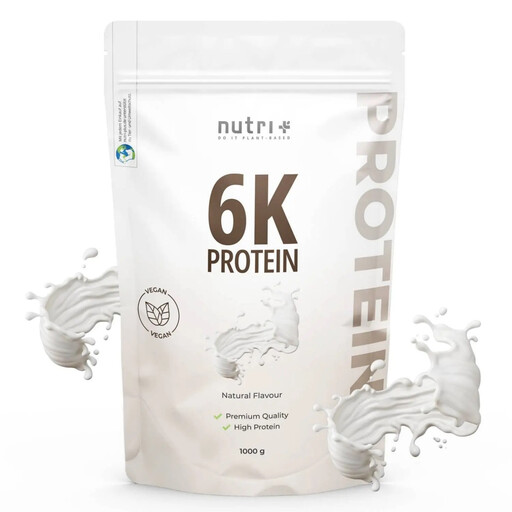
Why it suits this profile: The recipe combines six protein sources and provides 25 g of protein per 30 g serving. It’s aimed at anyone looking for a multi-source blend for regular use.
The ingredients list makes it clear that, alongside soya, it also contains wheat and almond protein. This helps you avoid buying a product that isn’t suitable if you have allergies.
Six plant-based protein sources, 25 g of protein per serving and a 1 kg pack.
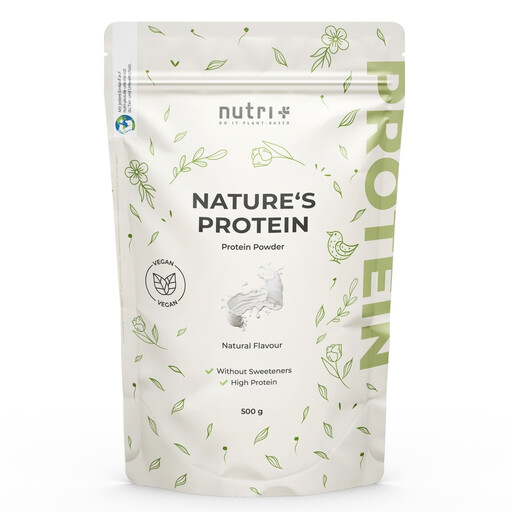
Why it suits this profile: According to the ingredients information, the Natural variety contains soya, pea and rice protein, with no added sweetener. It’s a good choice if you’d like to adjust the flavour yourself.
The Natural label is backed up by a straightforward ingredients list. The product information also notes that you can add sweetness separately.
500 g pack, three protein sources and 25 g of protein per 30 g serving in the Natural Vanilla variety.
We’ve put together a complete, regularly updated list of products that meet these strict selection criteria and comply fully with the safety regulations in force in the EU.
It depends on the product. The Nutri+ varieties mentioned here call for 30 g of powder, while the recommended serving of Optimum Nutrition Plant Protein is 36 g. Always follow the serving recommendation and nutrition table on the pack.
You can fit a vegan protein shake into your routine after a workout. The Nutri+ products mentioned here recommend that athletes take them within two hours of exercising. Your total protein intake over the day is what matters most, and individual nutrition goals can vary.
At 30 g per serving, a 1 kg pack works out at about 33 servings. If you have one serving a day, that’s roughly a month’s supply. A 500 g pack provides around 16 servings at the same serving size. This doesn’t account for overfilled scoops or powder left in the shaker.