
Lieferung heute & morgen

Qualitätsgarantie

Willkommens-Angebote freischalten: KOSTENLOSE Lieferung | Bis zu 80 % RABATT | Kostenlose 30-Tage-JoyPlus-Testphase
App herunterladen
Vegan protein powder can be a convenient addition to your diet if you’re not getting enough protein from regular meals, whether you have a busy lifestyle, follow a plant-based diet or have just finished a workout. But the choice can feel overwhelming: terms such as ‘3K’, ‘6K’, ‘natural’ and ‘high protein’ don’t tell you much on their own about whether a product is right for you.
Three common buying pitfalls can easily lead to unnecessary spending:
When choosing a plant-based protein powder, compare the serving size with the protein content per serving. The Nutri+ products featured here are generally prepared using 30 g of powder per serving. Depending on the variety, this provides around 22 to 25 g of protein.
If you use protein powder regularly, 1 kg of vegan protein powder may be better value than a 500 g pack. If you want to try the flavour and see how well you tolerate it first, you could start with 500 g. Also compare the number of servings in each pack and the price per serving, rather than looking only at the pack price.
A 3K protein powder typically combines three plant-based sources. Depending on the flavour, Nutri+ 3K varieties contain soya protein isolate, pea protein isolate and sunflower protein. Some varieties also contain cocoa or other flavouring ingredients.
Nutri+ 6K Protein Powder uses six plant-based sources: soya, wheat, rice, pea, sunflower and almond protein. This blend may appeal if you prefer a wider mix. However, if you have a soya, almond or gluten intolerance, check the ingredients and allergen information carefully. ‘Vegan’ doesn’t automatically mean ‘free from all allergens’.
If you’re looking for protein powder without milk, check for possible traces as well as reading the ingredients list on the product page and packaging. If you have allergies or medical questions, it’s a good idea to seek advice from a suitably qualified professional.
Not all vegan protein powders taste the same. Sweetened varieties may contain ingredients such as sucralose, while the Nature’s Protein varieties are listed as containing no sweeteners. According to the manufacturer, the Chocolate and Vanilla varieties develop their flavour when combined with an additional sweetener, such as erythritol, xylitol or stevia.
To make a vegan protein shake, mix the powder with water or a plant-based drink in a shaker. The recommended liquid quantities vary:
More liquid makes for a thinner shake. Plant-based drinks can change the texture and flavour, but also add calories and nutrients.
The recommendations below are based on clear criteria, including pack size, protein sources, protein per serving and the ingredients list.
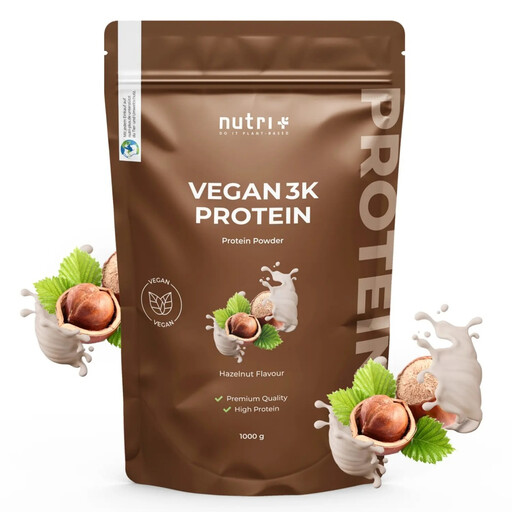
Why this product suits this profile: The 1 kg pack is a good choice if you regularly make a vegan protein shake and don’t want to run out and buy more again too soon. Each 30 g serving provides 24 g of protein.
The serving size and protein content are clearly stated. The blend of soya, pea and sunflower protein makes the sources easier to identify than an unspecified protein source.
1 kg pack; 24 g of protein per 30 g serving; no wheat listed in the ingredients.
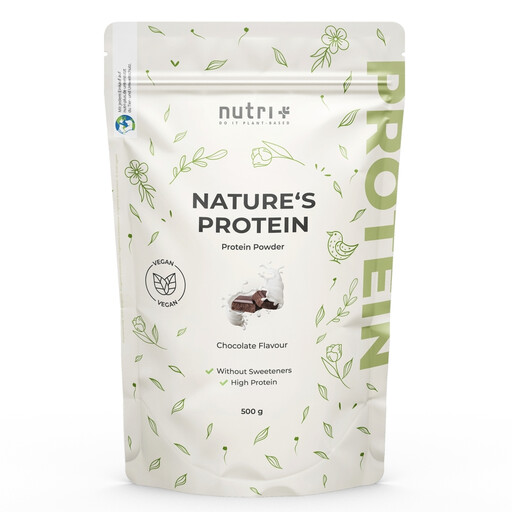
Why this product suits this profile: This variety is aimed at buyers who prefer an ingredients list with no added sweeteners and want to adjust the sweetness themselves. Each serving provides 23 g of protein.
The product description explicitly states that it contains no sweeteners. You can therefore choose how sweet to make it, for example by adding erythritol, stevia or another ingredient of your choice.
Soya, pea and rice protein; 500 g pack; no added sweeteners, according to the product information.
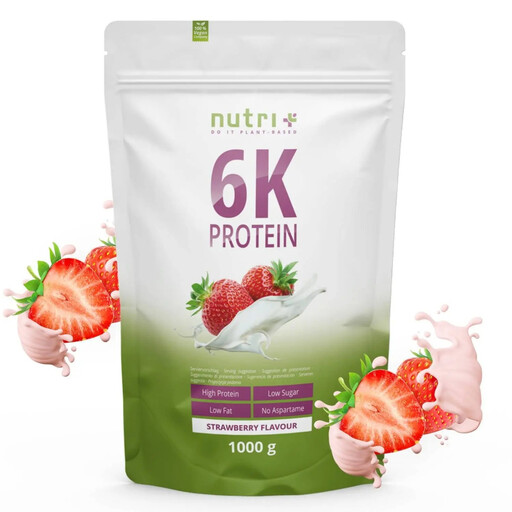
Why this product suits this profile: The blend of six plant-based protein sources may appeal to regular users looking for a wide-ranging combination of ingredients. Each 30 g serving provides 25 g of protein.
All six protein sources are listed by name. The wheat content is clearly stated, so if you need to avoid gluten, take this into account before buying.
1 kg pack; six named plant-based protein sources; 25 g of protein per serving.
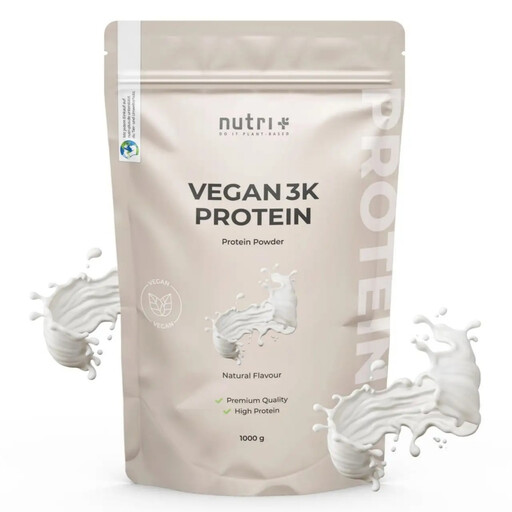
Why this product suits this profile: According to the ingredients information, the Natural variety contains soya, pea and sunflower protein. It may suit buyers looking for a straightforward recipe.
The ingredients list is short, with no flavourings or sweeteners listed. This leaves you free to adjust the flavour and sweetness to suit your taste.
1 kg pack; three named protein sources; 25 g of protein per 30 g serving.
Protein powder after a workout can be a convenient way to top up your daily protein intake. The product information for the Nutri+ varieties recommends taking them within two hours of finishing your workout. However, your overall diet throughout the day remains the key factor. A shake is no substitute for a balanced and varied diet.
Follow the recommended daily serving and don’t exceed it. Store the powder in a cool, dry place, out of the reach of children. Drink prepared shakes soon after making them, and don’t leave them unrefrigerated for long periods.
We’ve put together a complete, regularly updated list of products that meet these strict selection criteria and fully comply with the safety regulations in force in the EU.
The products featured here generally recommend 30 g of powder per serving. The recommended amount for Optimum Nutrition Gold Standard 100 % Plant Protein is 36 g. Always follow the preparation instructions for the product you’re using, as protein content and consistency vary from one recipe to another.
No. Milk ingredients aren’t listed in the plant-based recipes mentioned here, but you should still check for traces. Nutri+ 6K Protein contains wheat protein, so if you need to avoid gluten, don’t assume it’s suitable without checking further. Always refer to the specific packaging for the definitive allergen information.
The best-before date is printed on the packaging. Once opened, keep the pack tightly sealed in a dry place, away from heat and direct sunlight. Moisture can affect the quality of the powder and how well it mixes.