
Lieferung heute & morgen

Qualitätsgarantie

Willkommens-Angebote freischalten: KOSTENLOSE Lieferung | Bis zu 80 % RABATT | Kostenlose 30-Tage-JoyPlus-Testphase
App herunterladen
The selection of vegan protein powders has grown significantly in recent years. For athletes, fitness enthusiasts, and health-conscious individuals, this is a positive development, but the sheer variety doesn't make the decision any easier. Many products promise high efficacy, yet not all deliver on their advertising claims. Before you make a choice, it's crucial to understand the most common pitfalls that can lead to a poor purchasing decision.
Understanding the basic product features will help you avoid these pitfalls and find a product that meets your needs.
To identify a suitable plant-based protein powder, you should focus on objective and verifiable criteria rather than marketing promises.
Biological value indicates how efficiently a dietary protein can be converted into the body's own protein. Animal proteins like whey naturally have a high biological value. With plant-based proteins, this can be achieved through the intelligent combination of different sources.
A multi-component vegan protein, for example, combines the strengths of soy, pea, and rice protein. Soy protein provides a nearly complete amino acid profile, while pea protein is rich in lysine and arginine. Such blends ensure that all essential amino acids are covered, which is crucial for supporting muscle growth and recovery. Therefore, look for products that combine multiple plant-based protein sources.
A look at the ingredient list and nutritional table is essential. Protein should be the first item on the ingredient list. A high protein content per serving (typically over 20 grams per 30-gram serving) is a good sign.
At the same time, you should check if the product contains unwanted additives. If you prefer a protein powder without sweeteners, specifically look for unflavored versions or those containing only natural flavors. These offer the advantage of allowing you to control the sweetness and taste of your vegan protein drink yourself, for instance, by adding fruits or natural sweeteners.
Solubility is crucial for the drinking experience. High-quality isolates (e.g., soy protein isolate) tend to dissolve better in liquid than concentrates. Manufacturer recommendations for the amount of liquid often provide an initial clue. A well-formulated powder should dissolve completely in a shaker with water or a plant-based milk alternative after a short shake, resulting in a creamy vegan protein shake.
Based on the criteria mentioned, we have compiled a selection of products suitable for different user profiles.
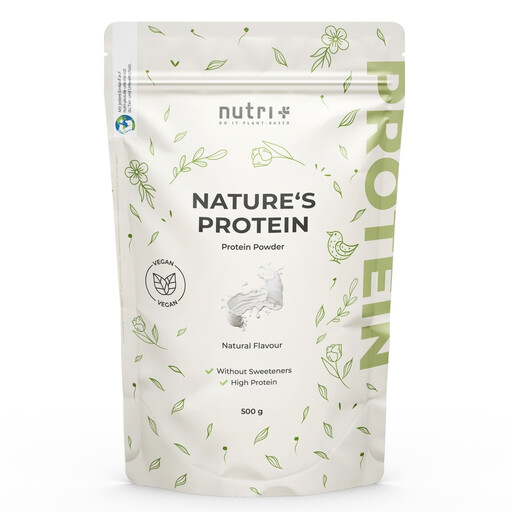
Why This Fits Their Persona: Ideal for users who want maximum control over the ingredients. This powder contains no sweeteners, flavors, or other additives, making it a perfect neutral base for shakes, smoothies, or baking.
It completely avoids the pitfall of hidden fillers and sugars, as the ingredient list consists solely of protein sources: soy protein isolate, pea protein isolate, and rice protein.
Maximum flexibility in preparation; 25g of protein per serving; three-component blend for a balanced amino acid profile.
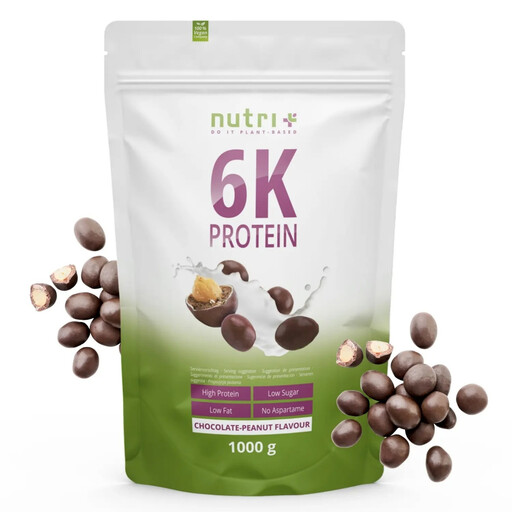
Why This Fits Their Persona: Designed for athletes seeking the most comprehensive protein supply possible. The combination of six different plant-based protein sources aims to ensure a complete amino acid profile and high biological value.
Directly addresses the pitfall of an incomplete amino acid profile with a complex blend of soy, wheat, rice, pea, sunflower, and almond protein.
Six-component formula to support muscle growth and maintenance; 23g of protein per serving; classic flavor combination.
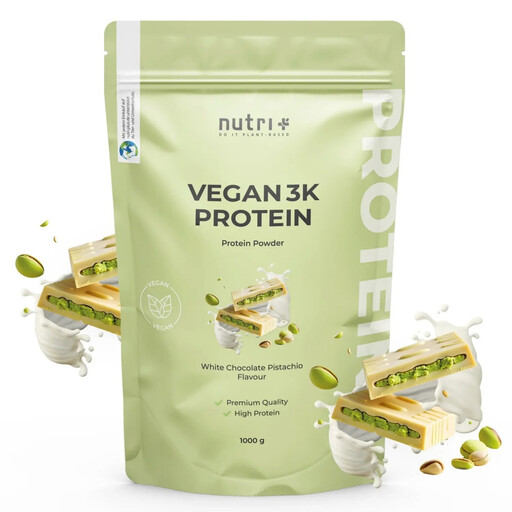
Why This Fits Their Persona: For anyone who prioritizes taste. A great-tasting shake makes it easier to integrate into your daily life. This flavor offers a special taste experience that turns a daily routine into a treat.
Counteracts the pitfall of poor texture and bland taste. The formulation is designed for good solubility and a pleasant, dessert-like flavor, which encourages consistency.
Excellent flavor profile; solid 3-component base (soy, pea, sunflower); 23g of protein per serving.
We've compiled a complete, up-to-date list of products that fully meet these strict selection criteria.
Protein requirements are individual and depend on factors like body weight, training intensity, and goals. A general recommendation for strength-training athletes is about 1.6 to 2.2 grams of protein per kilogram of body weight per day. A vegan protein drink with 20-25 grams of protein post-workout can help meet this need. However, it's important to see the powder as a supplement to a balanced, protein-rich diet.
Some people are sensitive to certain plant-based protein sources or additives. Legumes like peas or soy can cause bloating in some individuals. If you have a sensitive stomach, it may be wise to start with a smaller dose or choose a product based on a different protein source (e.g., rice or sunflower protein). Multi-component proteins are often well-tolerated as the load is distributed across different sources.
Yes, a vegan protein powder can be a useful supplement even without athletic activity to help meet daily protein needs. This is especially true for people on a vegan diet who find it difficult to get enough protein from their regular food, as well as for older adults for whom maintaining muscle mass is important. A shake can be a quick and easy protein-rich meal or snack.