
Lieferung heute & morgen

Qualitätsgarantie

Willkommens-Angebote freischalten: KOSTENLOSE Lieferung | Bis zu 80 % RABATT | Kostenlose 30-Tage-JoyPlus-Testphase
App herunterladen
Vegan protein powder can be a practical addition when your daily protein intake from ordinary foods is not enough, or when you want to prepare a protein shake after training quickly. However, products differ considerably in their protein sources, protein content, sweeteners, allergens and flavour.
Anyone who focuses only on terms such as “6K”, “high quality” or “muscle building” may overlook important details. The following selection helps you assess marketing claims and find a suitable vegan protein powder for everyday life, fitness and strength training.
Names such as 3K Protein or 6K Protein generally refer to the number of combined protein sources. However, they are not a standardised, legally defined quality category. The specific ingredients list and nutritional table remain the deciding factors.
A product with several protein sources may combine different amino acid profiles. Even so, you should check how much protein it actually contains per serving. The products featured here generally provide between 21 and 25 g of protein per 30-g serving.
Plant-based protein powder may contain soya, wheat, almonds or other ingredients that must be declared as allergens. For example, the Nutri+ 6K variants contain soya protein isolate, wheat protein, rice protein, pea protein, sunflower protein and almond protein. The ingredients list is therefore particularly important for people with soya, gluten or nut intolerances.
The Nutri+ 3K variants are described as “wheat-free”, but many versions contain soya protein isolate. “Wheat-free” therefore does not mean “free from all allergens”.
Flavoured products often contain sweeteners such as sucralose, as well as additional flavourings. If you prefer the shortest possible ingredients list, you can choose a Natural variant. This is usually less sweet and can be combined with fruit, cocoa or a sweetener of your choice.
Do not just compare the pack price; also compare the amount of protein. With a 1 kg protein powder, the recommended serving size and number of servings are also relevant. A 30-g serving containing 25 g of protein has a higher calculated protein percentage than a serving containing 21 g of protein.
For a clear and comparable selection, you should note the following values:
Common plant-based protein sources include soya protein, pea protein and rice protein. Soya protein isolate has a high protein content. Pea and rice protein are often combined with one another or with additional sources.
A blend of several sources may appeal to users who prefer a broader plant-based protein profile. However, it is not a substitute for a balanced diet. If you have allergies or intolerances, each individual protein source should be checked.
According to the product details, the Nutri+ 6K products are prepared with 30 g of powder and 300 ml of liquid. For the Nutri+ 3K products, 350 to 400 ml of liquid is recommended, depending on the desired consistency. The amount of liquid affects the flavour and creaminess, but not the amount of protein in the powder.
A protein shake after training can be planned for up to two hours after your workout, provided this fits your personal diet. Your total daily protein intake remains the key consideration.
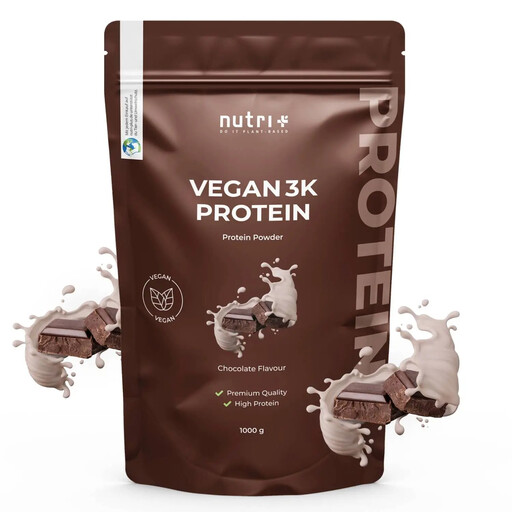
Why this product suits this profile: The 1 kg pack provides a clearly predictable supply size. It contains 22 g of protein per 30-g serving. The blend consists of soya protein isolate, pea protein and sunflower protein.
The amount of protein per serving and the three protein sources are clearly stated in the product details. This makes the meaning of “3K” clear and verifiable.
1 kg pack size; 22 g of protein per 30-g serving; according to the ingredients list, wheat-free.
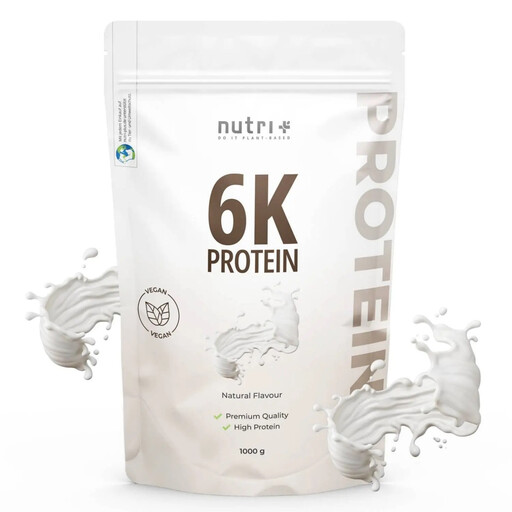
Why this product suits this profile: The Natural variant combines six plant-based protein sources and, according to the ingredients list, contains no flavourings or sweeteners. It provides 25 g of protein per 30-g serving.
The ingredients list is short and names the sources it contains directly. You can customise the flavour with fruit, cocoa or a sweetener alternative.
25 g of protein per serving; a combination of soya, wheat, rice, pea, sunflower and almond protein.
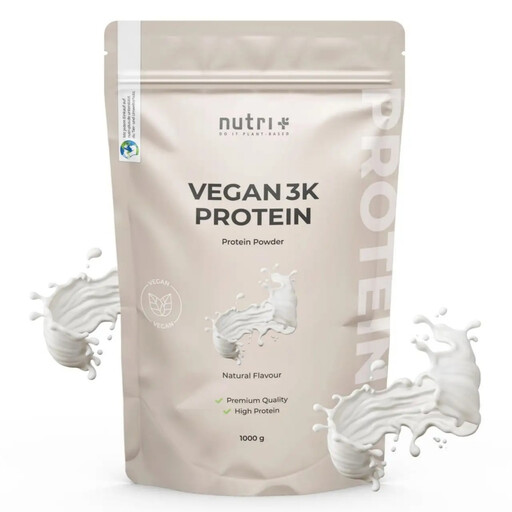
Why this product suits this profile: For regular users who prefer a neutral flavour, the Natural version works well as a base for shakes, smoothies or oat-based dishes. The product details state that it contains 25 g of protein per 30 g of powder.
The absence of added sweeteners in the ingredients list means you are less tied to a predetermined flavour profile.
25 g of protein per serving; versatile with sweet or savoury foods.
First add the recommended amount of liquid to a shaker, then add the powder. This can often help prevent lumps. A plant-based drink can alter the flavour and consistency. Once mixed, the shake should be consumed promptly.
Store the powder in a cool, dry place in accordance with the manufacturer’s instructions, reseal the pack after each use and use only the specified measuring range. Food supplements should not be used as a substitute for a varied diet. Do not exceed the recommended daily intake.
We have put together a complete, regularly updated list of products that fully meet these strict selection criteria and the safety regulations applicable in the EU.
Vegan protein powder can contribute to your daily protein intake. However, overall nutrition, sufficient energy intake, regular strength training and recovery are all essential for building and maintaining muscle. Powder alone cannot replace these factors.
The products featured generally recommend 30 g of powder per serving. The specific amount should be based on the product labelling and your personal protein requirements. If you have an illness, are pregnant or regularly take medication, it is advisable to seek medical advice.
When unopened, it remains usable until the best-before date stated on the packaging. Once opened, the powder should be stored in a dry, cool place and kept tightly sealed. Moisture, heat and an unclean measuring scoop can affect product quality.