
Lieferung heute & morgen

Qualitätsgarantie

Willkommens-Angebote freischalten: KOSTENLOSE Lieferung | Bis zu 80 % RABATT | Kostenlose 30-Tage-JoyPlus-Testphase
App herunterladen
Vegan protein powder can be a practical supplement when you want all or part of your daily protein intake to come from plant-based sources. However, products on the market differ considerably in terms of protein sources, serving size, sweeteners, allergens and flavour. A striking product name alone therefore says little about whether a product is genuinely suitable for you.
Three common mistakes in particular can lead to unnecessary expense:
Plant-based protein powder can be made from a single source or contain several different proteins. Common options include soy protein, pea protein, rice protein and sunflower protein.
A multi-component blend such as 3K vegan protein combines several plant-based sources. According to the product information, Nutri+ 3K products use soy protein isolate, pea protein isolate and sunflower protein. This may appeal to buyers who do not want to rely exclusively on a single protein source.
A 6K vegan protein contains several ingredients accordingly. The Nutri+ 6K variants list soy, wheat, rice, pea, sunflower and almond protein, among others. This can provide a broader range of ingredients, but it also means the product is not automatically suitable for people avoiding soy, wheat, gluten or nuts.
The reference products are based on a serving of 30 g of powder. Depending on the variant, this serving provides between 21 and 25 g of protein, according to the product information. For a fair comparison, you should always place the following figures side by side:
A 1 kg vegan protein powder can last a long time when used daily. However, how long it actually lasts depends on whether you have one or several servings per day. The recommended amount of liquid is also important for a post-workout protein shake: the 3K variants are prepared with around 350 to 400 ml of liquid, while the 6K variants require around 300 ml.
The term “vegan” describes the plant-based nature of a product, but it does not replace checking the full ingredients list. The Nutri+ 3K variants contain soy and, depending on the flavour, ingredients such as sucralose. The 6K variants may also contain wheat and almond.
If you have an intolerance or deliberately avoid certain ingredients, you should check the labelling on the relevant product page and packaging. Ingredients can also vary between flavours: according to the product description, Tiramisu contains instant coffee and cocoa powder, while Natural is listed without added flavourings.
If you are also looking for vegan creatine monohydrate powder, you should assess the protein and creatine separately. Nutri+ creatine powder is described as containing 100% creatine monohydrate and, according to the ingredients information, contains no sweeteners, colourings or flavourings. The stated serving is 3.4 g of powder, equivalent to 3 g of creatine monohydrate.
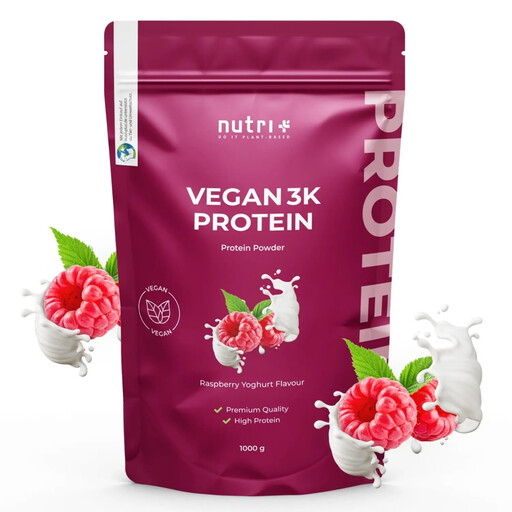
Why this product suits this profile: The 1 kg pack and clearly stated 30 g serving make it easier to plan costs and quantities for everyday use. Each serving provides 23 g of protein.
The protein amount is stated per serving rather than being promoted solely with a general blend name. The ingredients list identifies the three protein sources used.
Soy protein isolate, pea protein isolate and sunflower protein; 23 g of protein per 30 g serving; 350–400 ml of liquid for preparation.
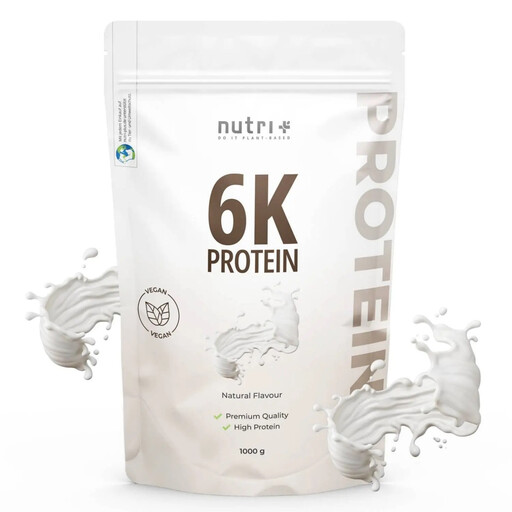
Why this product suits this profile: The Natural variant is aimed at buyers who prefer a multi-component formula without listed flavouring ingredients. According to the product information, one serving provides 25 g of protein.
The ingredients are listed individually. At the same time, it is clear that the blend contains wheat and almond protein, so it is not suitable for every dietary requirement.
Six plant-based protein sources according to the product description; 25 g of protein per 30 g serving; Natural variant without listed flavourings.
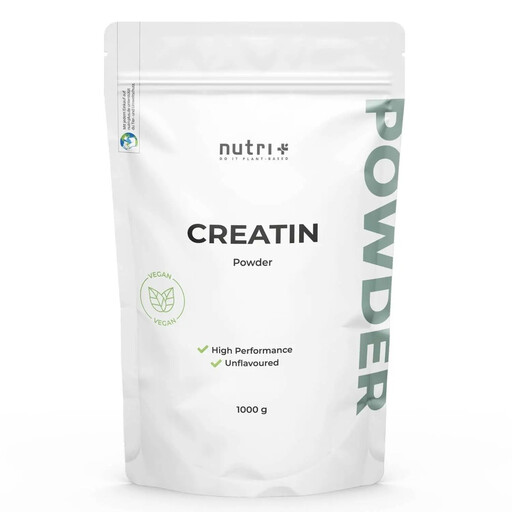
Why this product suits this profile: For adults undertaking intensive strength or interval training who want to dose creatine separately from their protein shake. The large pack is designed for regular use.
The ingredients list identifies creatine monohydrate as the only ingredient. According to the product information, no bulking agents, flavourings, colourings or sweeteners are used.
100% creatine monohydrate according to the ingredients information; 3 g of creatine per recommended serving of 3.4 g of powder; 1 kg pack size.
We have put together a complete, regularly updated list of products that fully meet these strict selection criteria and the safety regulations applicable in the EU.
For a post-workout protein shake, simply mix the recommended amount of powder with the quantity of liquid stated on the product page in a shaker. The product information for the Nutri+ protein powders featured here recommends consuming them up to two hours after training. This is the manufacturer’s usage recommendation and is not a substitute for personalised nutritional planning.
The powder can also be added to another meal to support your daily protein intake. Water is low in calories, while plant-based drinks can alter the flavour and consistency. If you have a sensitive digestive system, it may be sensible to start with a smaller amount and monitor how well you tolerate it.
Creatine should be dosed according to the relevant consumption recommendation. For the product featured here, one serving is equivalent to one level scoop containing 3.4 g of powder. The manufacturer’s safety advice states that it is intended for adults; pregnant and breastfeeding women should seek medical advice before taking it.
This depends on your individual daily requirements and the rest of your diet. According to the product information, 30 g of powder in the products mentioned here contains around 21 to 25 g of protein. You should also compare the protein value per 100 g and the actual serving size.
Vegan protein powder can contribute to your daily protein intake. However, muscle building and maintenance also depend on your overall diet, regular strength training, recovery and individual energy intake. A food supplement is not a substitute for a balanced and varied diet.
The best-before date on the packaging is the key reference. Once opened, the powder should be stored in a cool, dry place and kept tightly sealed. Moisture, heat and an unclean scoop can affect its quality and free-flowing properties. Check its smell, appearance and consistency before use.